Category Health & IP

The Patent Paradox In Brazil And Its Implications For Access To Medicines

Brazil is frequently pointed to as one of the countries in which fewer pharmaceutical patents are granted. The fact that there is a low number of patents granted could lead to the conclusion that medicines can be bought under competition and that the prices would be low. However, many medicines in Brazil are bought exclusively from one producer and usually at high prices. The situation of few granted patents, but many purchases under exclusivity due to absence of competition (which can lead to higher prices), is what we are calling the ‘patent paradox in Brazil’. In the absence of granted patents, what are the factors that lead to the situation of no competition and high prices in Brazil? This is the question that we, at the accessibsa: Innovation & Access to Medicines in India, Brazil & South Africa, aim to answer with a study currently being conducted at the Department of Medicines Policy and Pharmaceutical Services (NAF) of the Sergio Arouca National School of Public Health – ENSP/Fiocruz.

TRIPS Flexibilities In High Demand

Using flexibilities in the World Trade Organization Agreement on Trade-Related Aspects of Intellectual Property Rights (TRIPS) has long been an issue of the developing world. But policymakers gathered at a meeting on access to health in Brussels today said there was an urgent need for European Union countries, too, to make more use of flexibilities.

Groups Target EU-Mercosur FTA To Advance Access To Health In Trade Deals

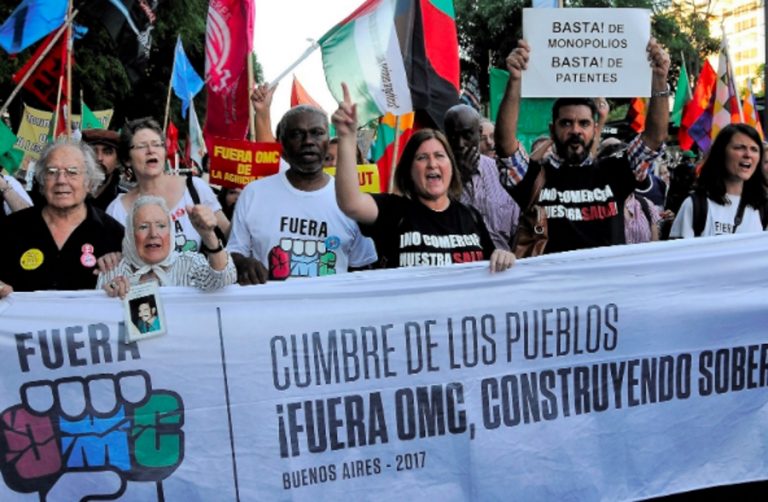
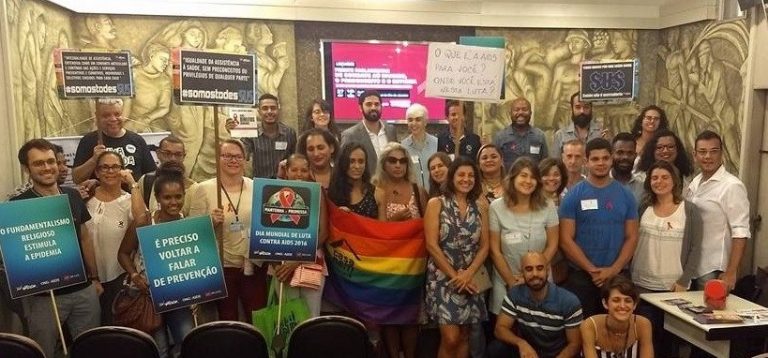
AIDS activists, health activists and civil society organizations in Brazil and Argentina are pushing back against the negative effects of the planned free trade agreement between the Mercosur countries and the European Union. The EU-Mercosur negotiations might be the best chance as of now to advance an intellectual property agenda that is more favourable to access to health, says Pedro Villardi, coordinator on IP policy issues at the Associação Brasiliera Interdisciplinar de Aids Observatorio National de Politicas de Aids (ABIA).

Trump Declares Intent To Stop Pharma Companies From ‘Gaming’ Patent System

US President Trump today declared in a White House speech his intent to "take steps" to lower drug prices by stopping "gaming of regulatory and patent processes by drug makers to unfairly protect monopolies," as well as increasing price transparency and promoting biosimilars and generics. But to do this, his administration will take on what it sees as "freeloading" on US innovation by foreign governments, and addressing "unfair" intellectual property and market access policies in trade agreements.

Collective Efforts By Civil Society Groups Bar The Way To Hepatitis C Patents

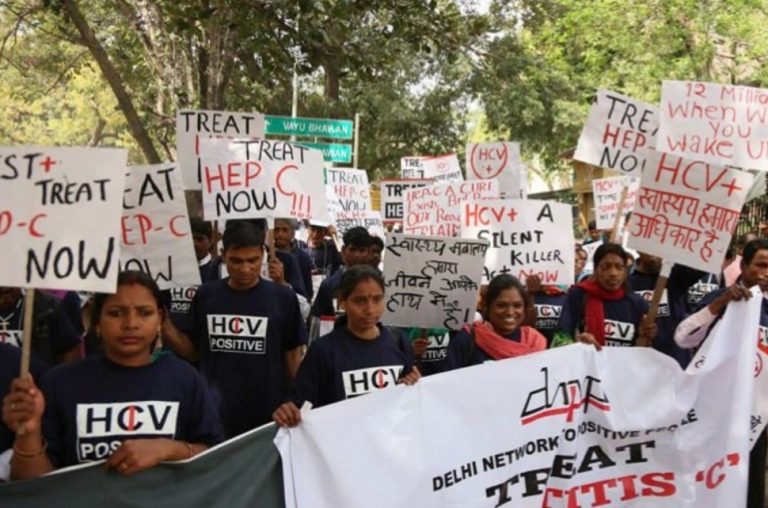
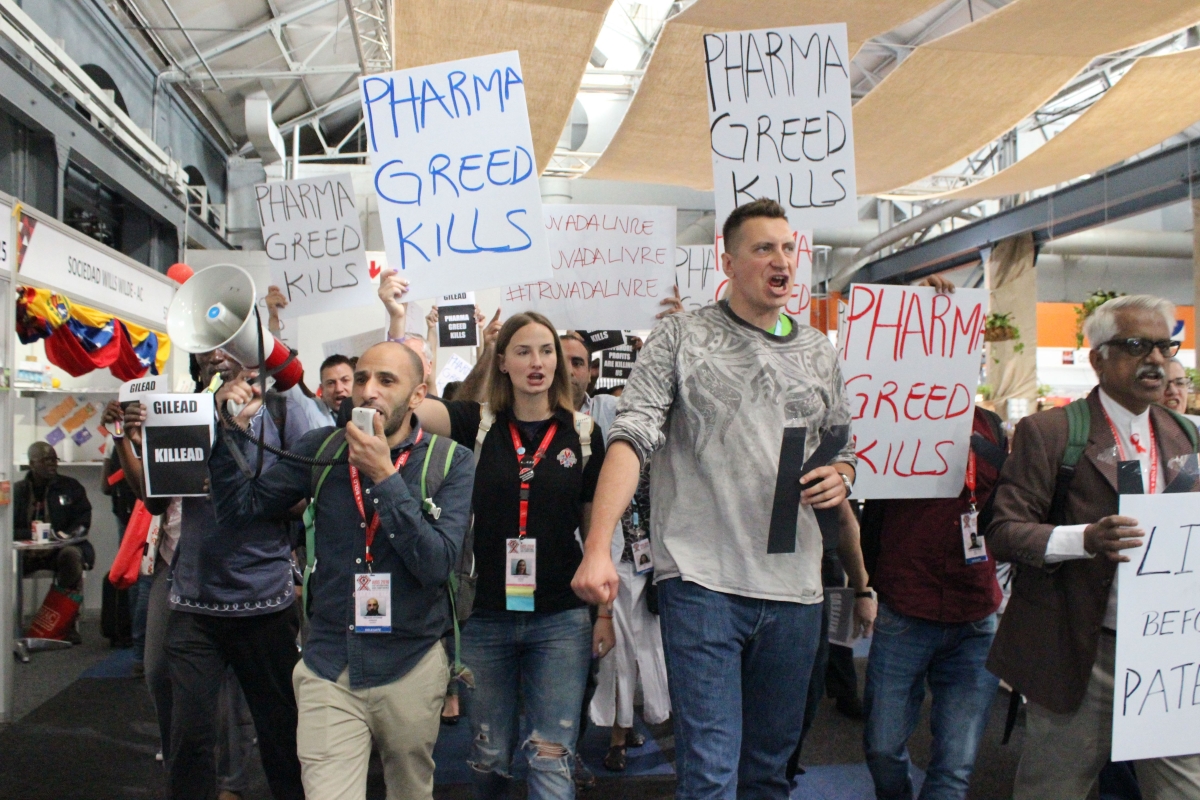
Many hold the view that Gilead’s revolutionary treatment against hepatitis C (sofosbuvir) marked the beginning of a shift in position toward the high prices of medicines, as high-income countries were also faced with an untenable burden to their health systems. In a number of lower and middle-income countries, civil society organised itself to increase access to sofosbuvir for millions in need.

Civil Society Key In TRIPS Flexibility Implementation

When the agreement on intellectual property was adopted by the World Trade Organization, a number of flexibilities were included in the text, mainly to give developing countries policy space to implement the agreement with development considerations. However, some countries through lack of awareness or economic pressure have not used those flexibilities fully, and found themselves facing difficulties addressing their public health needs, which some associate with this failure to use the flexibilities. Civil society has engaged in notable efforts to counter pressure and raise policymakers' awareness for a wider access to medicines.

Brazil’s Federal Court Reviews Medicines Mailbox Patents

This week the media reported that the Brazilian federal court removed the patent protection for eculizumab, sold under the brand name Soliris by Alexion Pharmaceuticals Inc. Eculizumab is used in the treatment of paroxysmal nocturnal hemoglobinuria (PNH), a rare and life-threatening blood disease. The product was approved by the US FDA for this indication in 2016. Brazil’s health care system spent $184.2 million to treat 442 patients with Soliris, an average of over $416,000 per patient. The patent office expects that more revocations may follow. This blog explains why this is.