Hope For Hepatitis C Patients In Poor Countries – New Affordable Combination With High Cure Rate
A new affordable combination treatment for hepatitis C patients with a 97 percent cure rate was announced today.

Original news and analysis on international IP policy
A new affordable combination treatment for hepatitis C patients with a 97 percent cure rate was announced today.
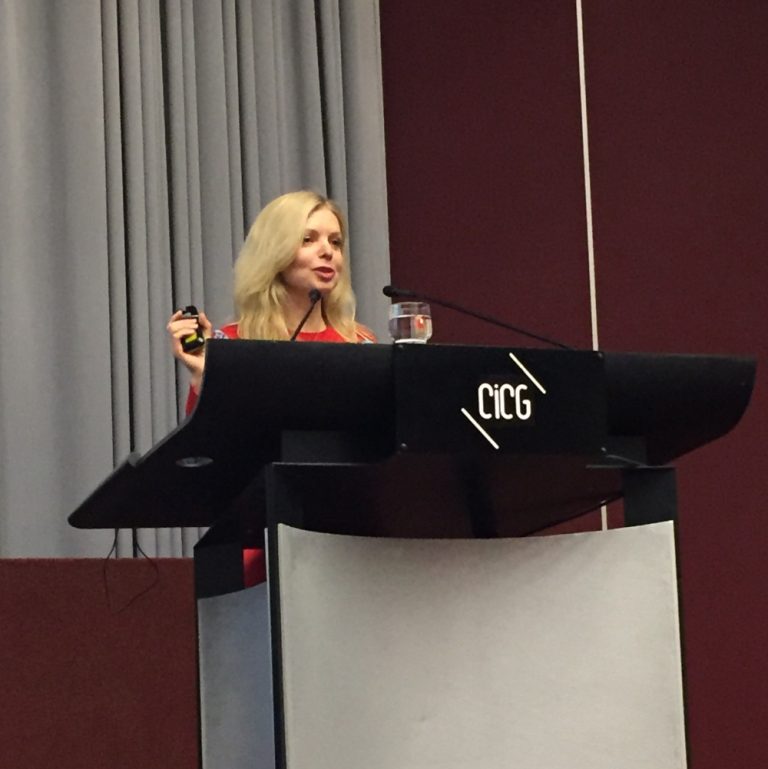
Achieving a high percentage of universal health coverage often does not translate into a high quality of health systems, according to speakers at the opening of the Geneva Health Forum. While in developed countries people are demanding better quality, the expectations of people living in low and middle-income countries need to be raised, they said. Another panel looked at the use of big data and mathematical modelling as ways to improve health systems, including Facebook monitoring.
TAIPEI, Taiwan -- The building is impressive. Taiwan’s intellectual property office, located in the Dan-an district of Taipei, deals with patents, trademarks, designs, and utility models. Not being a recognised member of the United Nations, Taiwan cannot access the World Intellectual Property Organization treaties, in particular the Patent Cooperation Treaty. However, Taiwan is dedicated to enforcing IP rights, and entertains agreements with several IP offices in the world, including China, which is Taiwan's major trading partner.
A Chinese scientist has been sentenced to jail for more than 10 years for conspiring to steal samples of a highly developed variety of genetically modified rice seeds from a Kansas biopharmaceutical research facility, the US Justice Department said in a release.
The World Intellectual Property Organization has chosen a new head of the Global Challenges Division, as well as a new acting director of the Copyright Infrastructure Division.
The Universities Allied for Essential Medicines (UAEM) this week launched a campaign to ask the University of California to drop its pursuit of a patent on the prostrate cancer drug Xtandi in India in order to make it affordable for patients. Xtandi sells at "exorbitant" rates in the United States, they said, a seeming violation of the licensing guidelines of the publicly funded University of California system which guarantees an "appropriate" return on taxpayer investments.
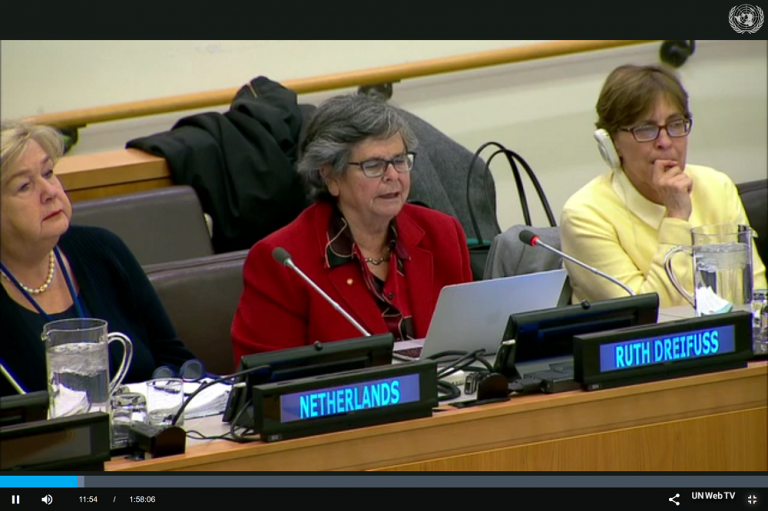
NEW YORK -- A major event on innovation and access to health technologies took place at the United Nations in New York last week, in which UN member states were briefed on ideas and efforts to promote these issues at the forefront of global health policy.

Nobel Prize winner Sir John Sulston passed away on 6 March at the age of 75, and was widely remembered in the press and scientific circles, celebrating his research, his wisdom, and his leadership of the landmark Human Genome Project. Intellectual Property Watch recalls his visionary warning and advice a decade ago about the intellectual property system, investment, and science that is still valuable today.
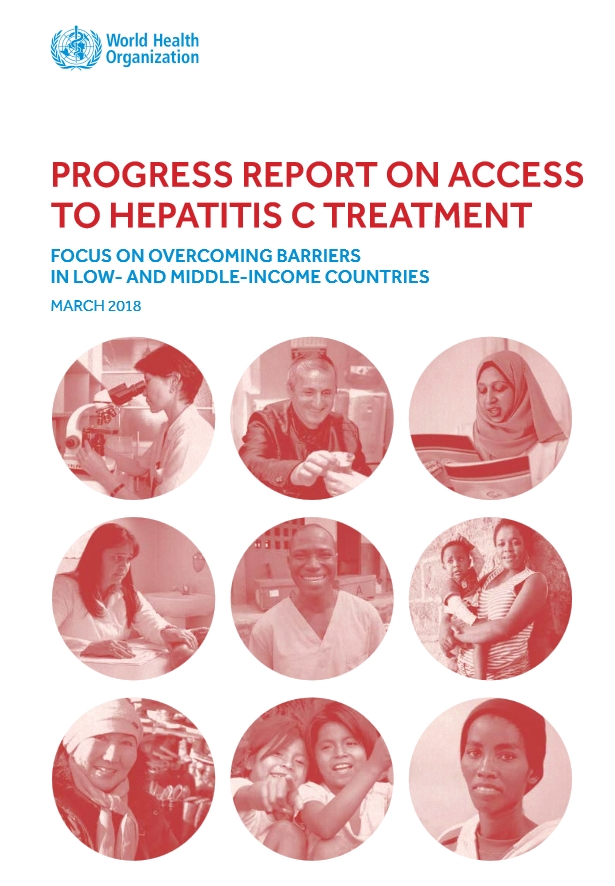
Access to hepatitis C treatments is increasing, so are therapeutic options, but most of those living with the disease are not diagnosed and thus remain untreated, the World Health Organization found in a new report. Upper-middle income and high-income countries continue to pay high prices, impeding equitable access, and those countries which have been most successful in increasing access have mobilised a strong government response, the report found.

Pharmaceutical R&D constantly leads to the generation of new intellectual property (IP), from clinical trial data to libraries of promising compounds. Not all IP assets generated by a company are used in their future R&D. When this happens, companies can choose instead to share them with other third-party researchers, under licensing agreements. The Access to Medicine Foundation has worked with BIO Ventures for Global Health (BVGH) to develop a framework for identifying which IP assets are most difficult for companies to share, yet most likely to speed up R&D of the medicines and vaccines needed by people living in low- and middle-income countries (LMICs), write Clarke B. Cole and Katie Graef.
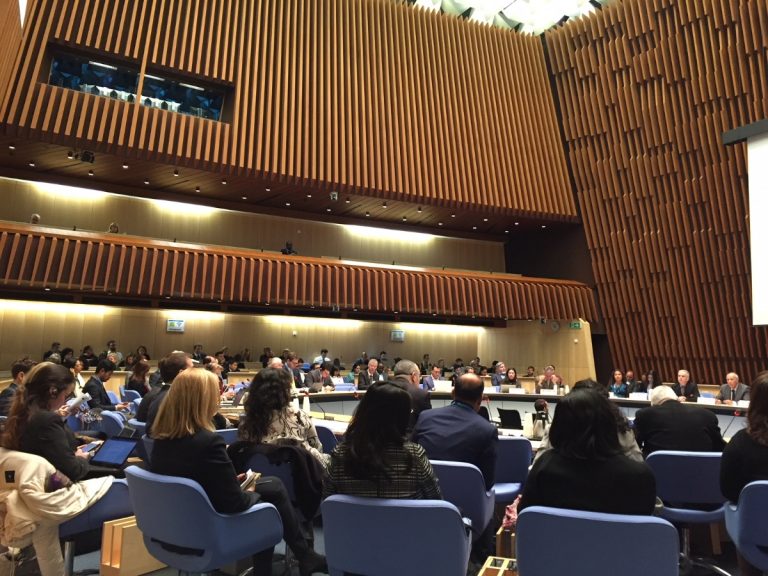
Intellectual property rights, particularly patents, are considered by some as being a barrier in access to medicines despite being a stimulus for innovation. At a recent symposium co-organised by the World Health Organization, World Trade Organization and World Intellectual Property Organization, speakers also talked about the role of science, governments, and universities in health innovation and access, and how to address challenges such as secondary patents.
The World Health Organisation's Special Programme for Research and Training in Tropical Diseases (TDR) has published the first report on research fairness under a new initiative. The report includes an analysis of how TDR manages intellectual property rights in a positive way.