Category Finance

Industry, NGOs On Staff At WHO? Beware Of Revolving Doors, Some Say

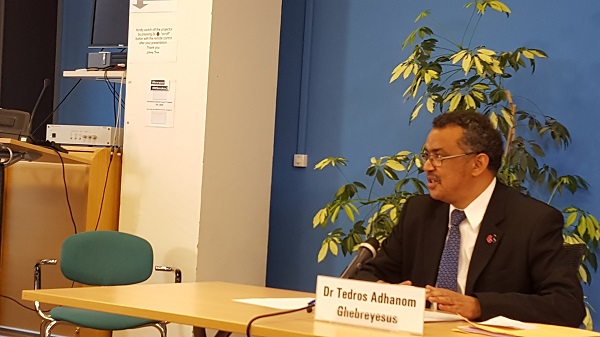
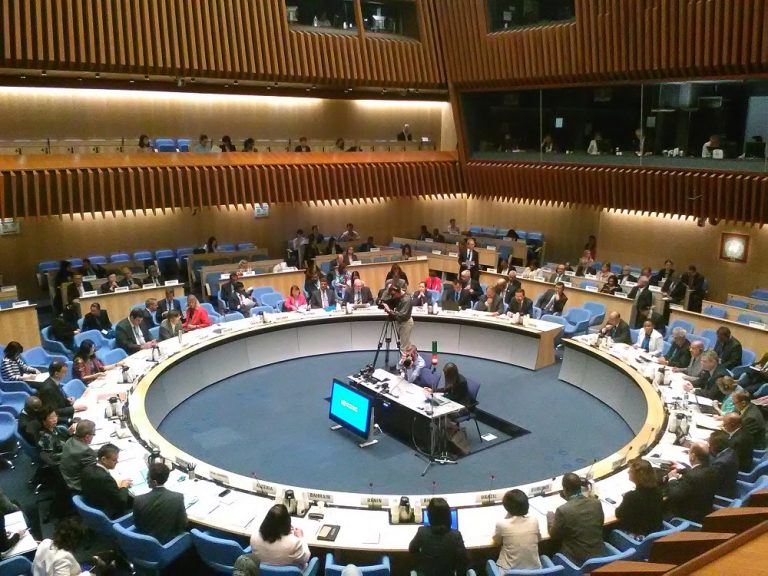
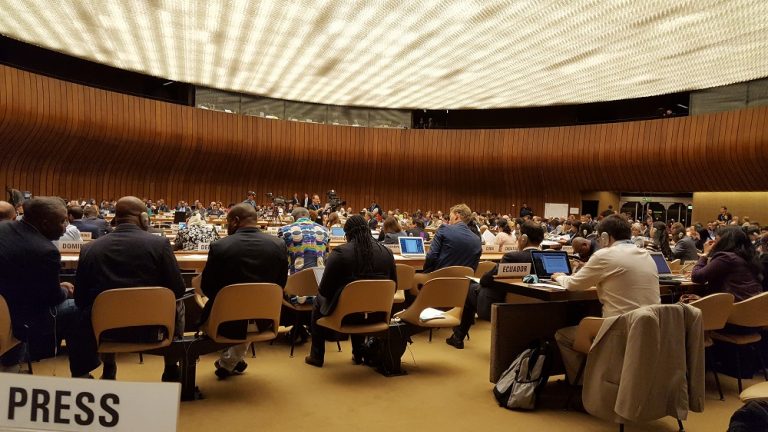
The agreement found last year after months of intense discussion to avert the possibility of undue influence by outside actors at the World Health Organization is yet to be fully implemented. The World Health Assembly last week looked at progress and the process by which the WHO can temporarily welcome on its staff individuals from the private sector, civil society, philanthropic foundations, and academic institutions. Some countries questioned principles in this process but were told by the WHO that their comments would merely be recorded.

REGISTER NOW! The Global Debate On Intellectual Property, Trade And Development: Past, Present and Future

The Global Debate on Intellectual Property, Trade and Development: Past, Present and Future
A Conference in Honour of Pedro Roffe

WIPO Hosts Event To Boost Entrepreneurship, Investment In Safe Water Technology

An unusual meeting is taking place at the World Intellectual Property Organization this week, bringing together entrepreneurs in water and sanitation technology and business models with prospective investors, including clean-tech venture capitalists, private equity and corporate investors.

World Health Assembly Adopts Resolution Supporting Tax On Tobacco, Alcohol, Sugar

Cancer, diabetes, heart disease and chronic respiratory diseases are killing millions of people each year, making noncommunicable diseases the leading global cause of human deaths, many of them premature. This week, the World Health Assembly endorsed an updated set of policy options for countries to help them with the prevention and control of those diseases. On the list is a suggestion for tax increases on tobacco products and alcoholic beverages, and the reduction of salt intake. Supported by many countries, it was resisted by the United States and Italy.

Cancer Drugs: Innovation ‘Blackmail’ Leads To Unaffordable Prices, Delinkage Needed, Speakers Say

What if you get an aggressive form of breast cancer, and the treatment exists but it is too expensive for you to get? You die. Tragic stories and the possibilities to avert them were centre stage at a panel last week on the margin of the ongoing World Health Assembly. Delinking the cost of research and development from the market prices of medicines was urged by speakers on the panel: representatives of cancer patients, civil society, and the Brazilian deputy ambassador.

Health R&D Still Underfunded – WHO Members Concerned, NGOs Call For More Ambition

Hopes of stimulating research and development for diseases affecting primarily poor countries and vulnerable populations, through a strategic work plan at the World Health Organization, are dimmed by the lack of funding. An R&D project on a single-dose malaria cure had to be cut short, while a global observatory for health research and development, recently launched, might be hampered in its progress, according to officials.

WHO Official: Medicines Should Not Be Priced At The Value Of A Life

Member governments of the World Health Organization are increasingly talking about how to bring about “fair” pricing of medicines. And what’s clear is that it should not be based on how much you would pay to save your life, a senior WHO official said this week.

A Price Too Good To Be True

Steven Tepp writes: Virtually every consumer in every country wants products and services as inexpensively as possible. Nowhere is that demand more acute than in health care, where quality of life, and life itself, is at stake. In Europe, most national governments use the monopsony power of a single-payer national health care system to negotiate (or dictate) what prices they will pay, an activity that has been considered “anti-competitive” in EU private markets. And some governments simply issue price controls.