Category Development

TRIPS Council Debates IP Improving Lives, Competition Law To Increase Medicines Access

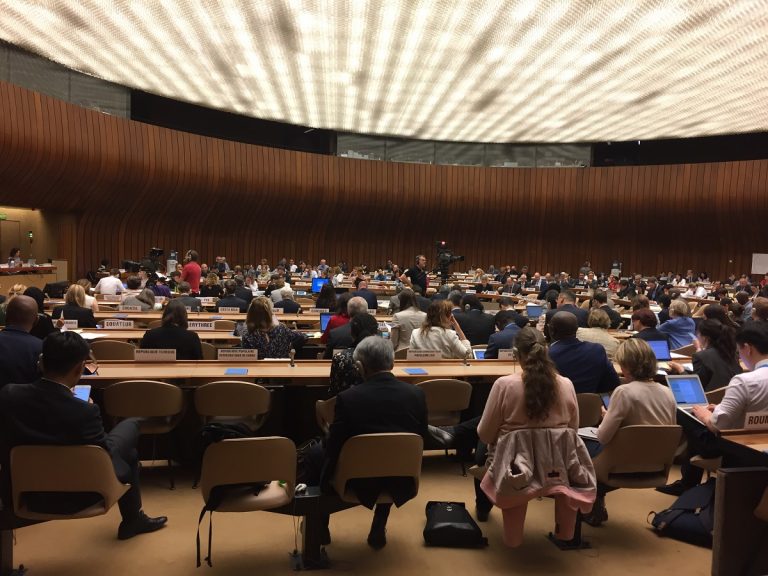
Whether intellectual property rights are improving lives or whether they should be reined in by tools such as competition law to increase access to medicine, education, and innovation, was debated this week at the World Trade Organization committee on intellectual property. Also on the agenda was a suggestion by least-developed countries to create incentives for developed country companies and institutions to transfer technologies for the benefit of the poorest countries.
Civil Society Issues Call For Action On Draft WIPO Copyright Exceptions

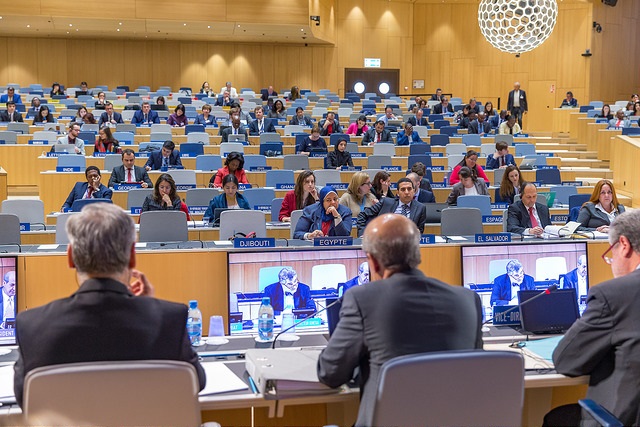
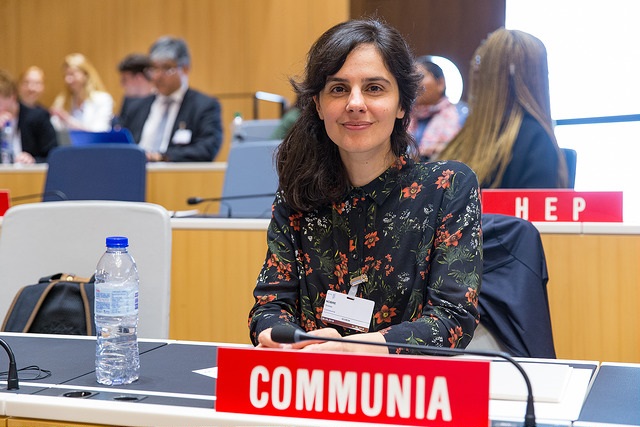
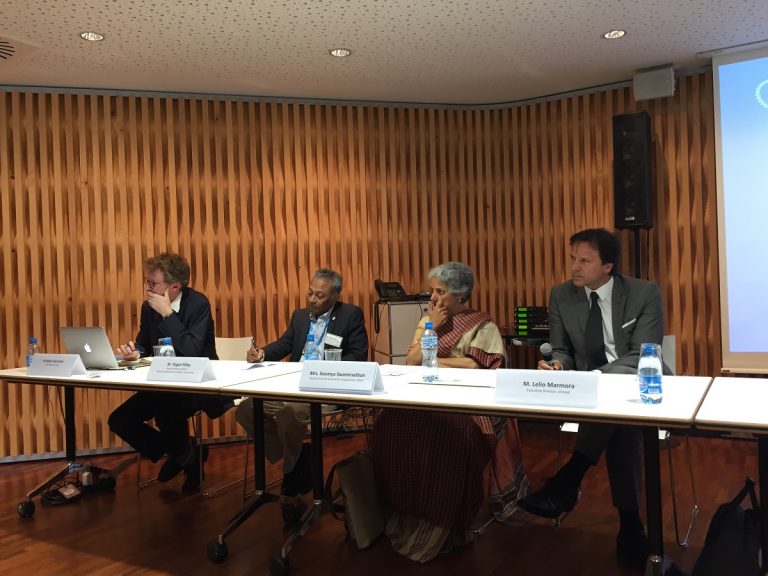
This week the World Intellectual Property Organization copyright committee is looking at exceptions and limitations to copyright. A range of stakeholders with opposing views delivered long statements explaining their positions. Some proponents of mandatory international limitations and exceptions for certain actors cited the United Nations Sustainable Development Goals inscribing equitable quality education as a right. Others, like publishers’ associations, said the current international system provides ample possibilities to devise national exceptions and limitations.

MPP Board Gives Green Light To Expansion, Now Has To Identify Candidates

The Medicines Patent Pool announced this week that its Board agreed on the extension of the MPP mandate to patented medicines on the World Health Organization Essential Medicines List. The decision follows an extensive feasibility study. During a side event held on the margins of the annual World Health Assembly, Patent Pool officials explained the findings of the study, while in the audience, a representative of the pharmaceutical industry suggested a cautious approach.

Global Health Policymakers Take Action To Improve Access To Assistive Products

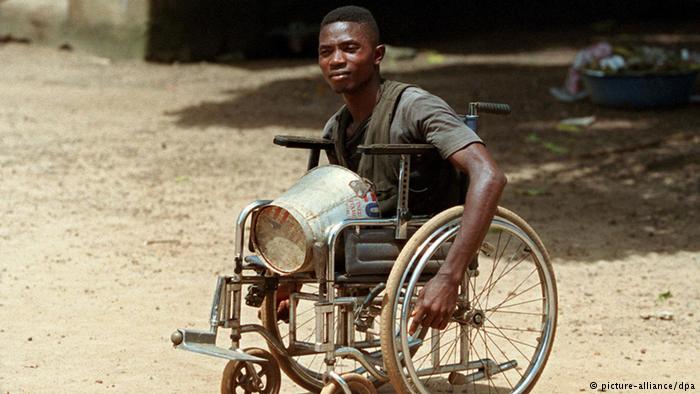
Some 90 percent of people in the world who need assistive technology – such as glasses, walkers, or hearing aids - cannot access it, with the worst deficiency in developing countries. Today, World Health Organization members agreed on a resolution to improve access to those technologies, with overwhelming support. The WHO is instructed to provide support to countries and prepare a global report by 2021. Member states are requested to promote innovation and find ways to reduce prices.

World Health Assembly Begins Discussion On Access To Medicines

On the second day of this week's annual World Health Assembly, delegates began discussing the issue of “shortages of, and access to, medicines and vaccines.” It is generally held that access to safe, efficacious, and affordable medicines is of paramount importance to achieve the United Nations Sustainable Development Goals by 2030, but there seems to be no expeditious solution, and no lack of divergent views on how to get there.

AI Takes Multidimensional Role In Emergency Response And Outbreaks

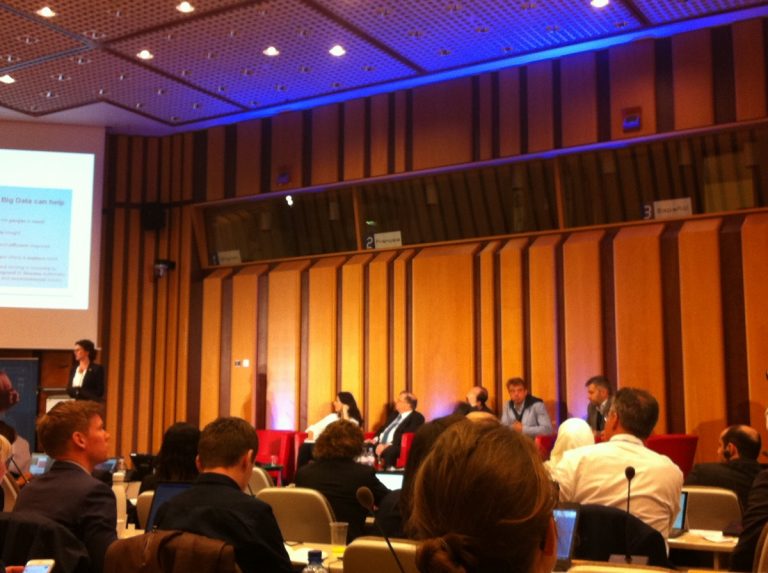
In an age where emphasis on the use of artificial intelligence (AI) for the good of humanity is increasing, last week’s AI for Good Global Summit at the International Telecommunication Union (ITU) brought leading experts together to demonstrate the multidimensionality of AI in emergency response and outbreaks, as well as in risk reduction.

Women And IP As Topic To Be Pursued At WIPO Committee On Development And IP

In the wake of the annual intellectual property day this year focusing on women, the World Intellectual Property Organization Committee on Development and IP this week agreed to discuss women and IP at its next session, as the first topic under a new agenda. The committee also agreed to a new project on the role of women in innovation. In other areas, more discussions are foreseen on whether regular international conferences on IP and development can be approved, and on recommendations by an independent expert group on the implementation of the WIPO Development Agenda.

WIPO Asked To Improve Its Reporting On Development Agenda Implementation

The World Intellectual Property Organization annual self-evaluation of the implementation of its 2007 Development Agenda was rubber-stamped by most delegates again this year at the Committee on Development and Intellectual Property. But Brazil offered detailed suggestions on ways to improve the report and ensure that past work is not being included in the reporting on new accomplishments. It also warned against confusing WIPO's Development Agenda work with its broader activities for the United Nations Sustainable Development Goals.

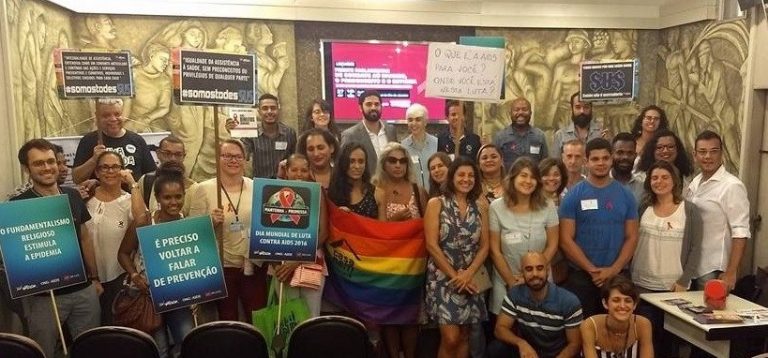
Patent Backlogs Fuel Efforts To Extend Pharma Patent Terms In Thailand And Brazil, AIDS Activists Say

For a variety of reasons, Thailand and Brazil have huge backlogs of pharmaceutical patent applications. The delay in patent examinations is creating pressure on the countries to extend patent protection terms to the detriment of access to affordable medicines, AIDS organisations say.

The Patent Paradox In Brazil And Its Implications For Access To Medicines

Brazil is frequently pointed to as one of the countries in which fewer pharmaceutical patents are granted. The fact that there is a low number of patents granted could lead to the conclusion that medicines can be bought under competition and that the prices would be low. However, many medicines in Brazil are bought exclusively from one producer and usually at high prices. The situation of few granted patents, but many purchases under exclusivity due to absence of competition (which can lead to higher prices), is what we are calling the ‘patent paradox in Brazil’. In the absence of granted patents, what are the factors that lead to the situation of no competition and high prices in Brazil? This is the question that we, at the accessibsa: Innovation & Access to Medicines in India, Brazil & South Africa, aim to answer with a study currently being conducted at the Department of Medicines Policy and Pharmaceutical Services (NAF) of the Sergio Arouca National School of Public Health – ENSP/Fiocruz.