Category Development

E-Commerce Regulation Needs Harmonisation, Labour Rules Should Be Part Of Trade Laws, Panellists Say

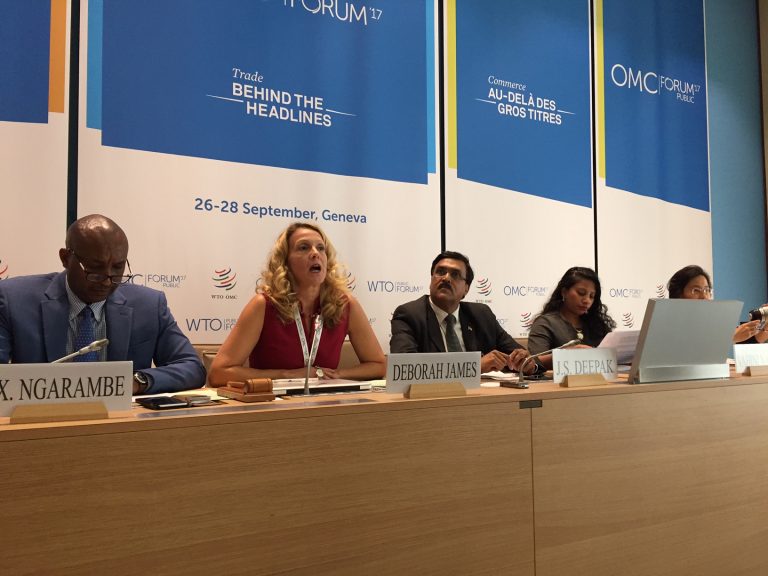
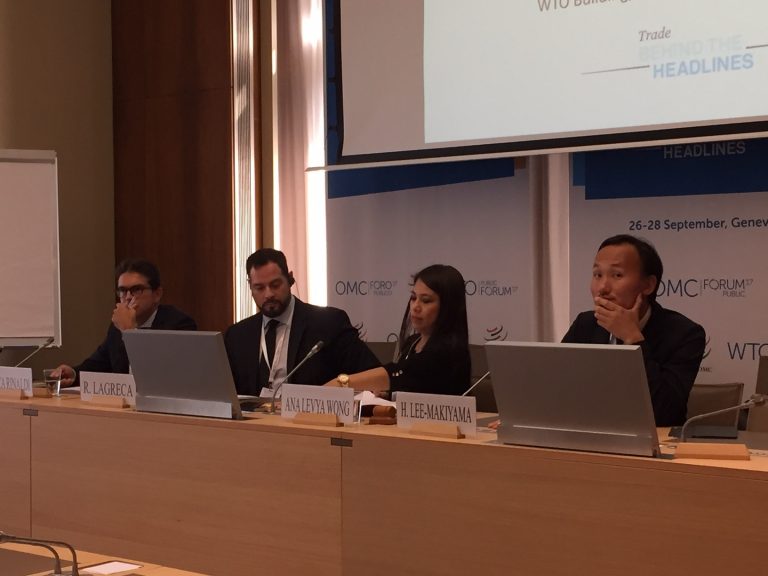
As electronic commerce is on the rise, attempts to regulate it are fragmented and in need of harmonisation, according to a panel at the recent World Trade Organization Public Forum. Intellectual property could be a harmonisation tool and is a market maker, one of the panellists said. Separately, a session looked at the relationship that they said should exist between trade and labour rights, and said the way goods are produced should be taken into account in WTO rules.
Human Rights Go Hand In Hand With IP In Making Health Systems Work, UN Forum Hears

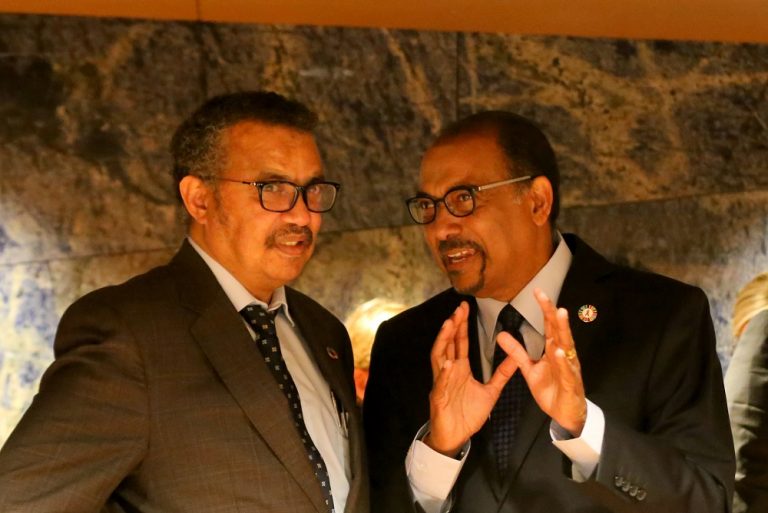
Innovation is vital for the development of medicines, but innovation without proper access to them is pointless, Roberto Azevêdo, Director-General of World Trade Organization has said. Several other agency heads spoke at the same event, where World Health Organization Director General Tedros Adhanom Ghebreyesus stressed the importance of universal health coverage.

WIPO General Assembly Opens; Delegates In Starting Block To Discuss Budget, Normative Work

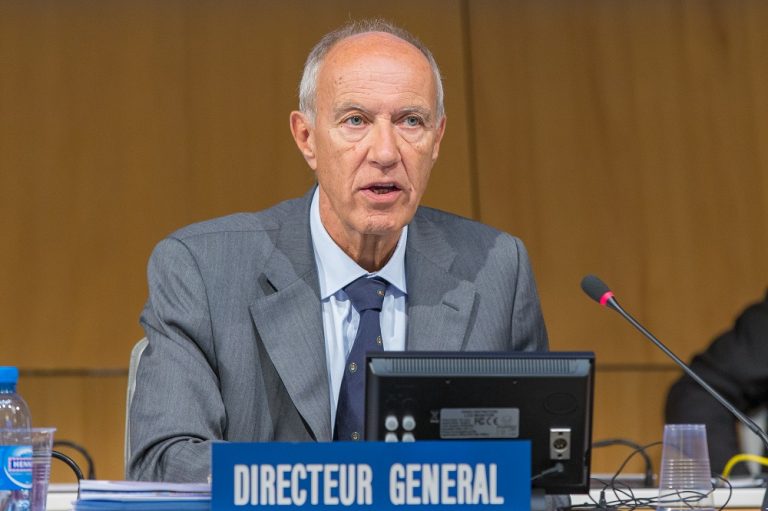
The annual World Intellectual Property Organization General Assembly opened today for 10 days during which delegates have to agree on budget, and on several decisions which might lead to more normative activities on the part of the organisation, although impatience is not equally shared depending on subjects. Separately, the United States submitted a new proposal on the budget, and the European Union tabled a proposal on a new mandate for the WIPO genetic resources and traditional knowledge committee.

E-Commerce: Some Developing Countries Push Back On Idea Of New WTO Rules

While the profile of electronic commerce is rising in diverse international fora, some developing countries are saying they do not want to discuss a new negotiating mandate for e-commerce rules at the World Trade Organization. The current work programme on e-commerce is still adequate, they find, and the WTO Ministerial Conference in December should address more pressing issues, such as agriculture, or completing the Doha Development Round negotiations.

Disparity In Access To Medicines Spurs “Humanitarian” Patent Licensing

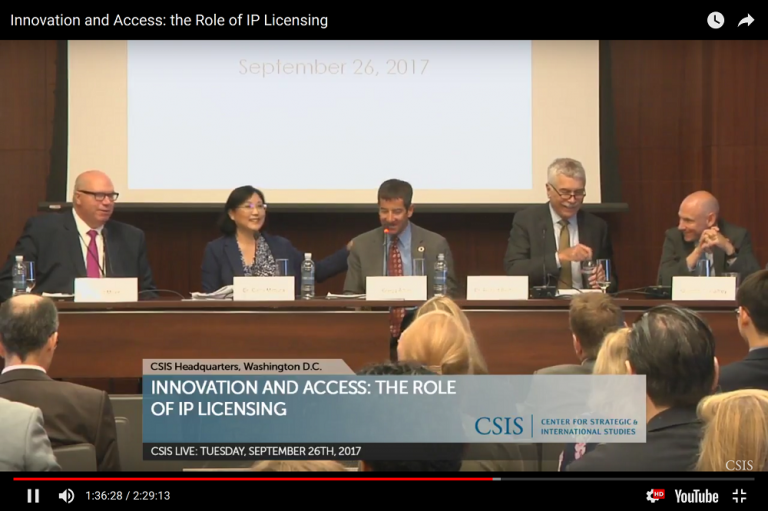
“There are shameful access disparities around the world” to life-saving medicines, Harvard University Global Access in Action project Co-Director Quentin Palfrey said at a 26 September Center for Strategic and International Studies event in Washington, DC. And while some of the challenges to fuller access involve pricing, getting medicines to poorer countries or populations means overcoming the obstacles of insufficient research and development (R&D) incentives, access barriers and polarised politics, he said.

Initiative Aims At Using New Technologies To Reinvigorate International Trade

As protectionism tempts some, the International Chamber of Commerce Brazil is launching an initiative to bring new technologies to the rescue of international trade. The new digital age holds promise and is inevitable, but requires solid policymaking and improvement in such areas as education and broadband coverage to deliver on its possibilities, panellists at the World Trade Organization Public Forum said today.

G7 ICT Ministers: Free Data Flows, More Access To Data, But IP Protection Nevertheless

Openness, security and the support for innovation through the empowerment of small and medium companies are the three core points of the joint statement of the G7 ICT Ministers after their two-day meeting in Turin, Italy ending today. While the host, Italian Minister of Economic Development Carlo Calenda, heavily underlined the need to avoid in digitalisation policies the mistakes made in globalisation, many topics of the final statement point to highly familiar commitments, with better protection of intellectual property being one.

UN Assembly Tackles Role Of Technology And Innovation In Sustainable Development

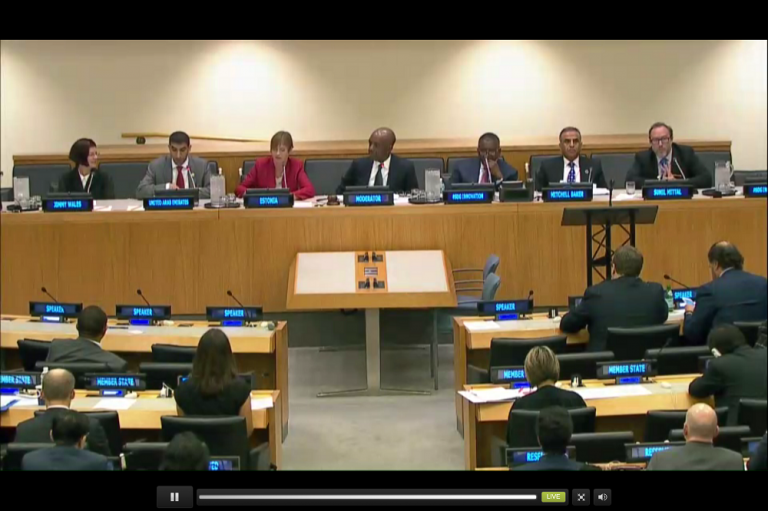
Governments and the private sector must work more closely together in the area of technology and innovation to make the United Nations Sustainable Development Goals (SDGs) a reality by 2030, government and major tech company officials said at today’s UN high-level event in New York. Today’s development problems won’t be solved with yesterday’s solutions but by all stakeholders – governments, civil society, youth, businesses and academia – working together, said General Assembly President Miroslav Lajčák. Everyone must have “fair access to technologies and innovations” and to training, he said.

WIPO Committee Unable To Agree Program And Budget After Proposal For Reform

Discussions last week at the World Intellectual Property Organization on how international IP systems managed by the organisation are financed have introduced broader questions about core functioning. The WIPO budget for 2018/2019 was not approved in committee during the week, despite efforts by a small group of countries to find common language on changes to the financing of WIPO systems. A number of countries found the proposed changes in the financing of those different systems require deeper analysis on potential consequences, and asked for more time to consult with their capitals.

New WIPO External Offices: Candidates At The Door, But What’s In It For WIPO?

For the last two years, World Intellectual Property Organization delegates have been trying to tackle a seemingly unsolvable equation: too many candidate countries for four new WIPO external offices. Yet more time seems necessary to reduce the number of candidates, which show no sign of stepping down, insisting on the value of a WIPO external office. However, some doubts have begun to arise over the benefits of the expansion of WIPO's network of field offices.