Category Development

New UNCTAD, GIZ Toolbox: How To Achieve Policy Coherence For Local Production And Access To Medicines

What do investment, trade, intellectual property, health financing, R&D, industrial and medicines regulation policy have in common? They are all important building blocks for the successful promotion of local pharmaceutical manufacturing. As more and more countries are looking into building their own pharmaceutical production capacities, they need to ensure strong policy coherence to be successful.
EU-MERCOSUR FTA Puts At Risk Access To Medicines In Brazil, New Impact Assessment Study Finds

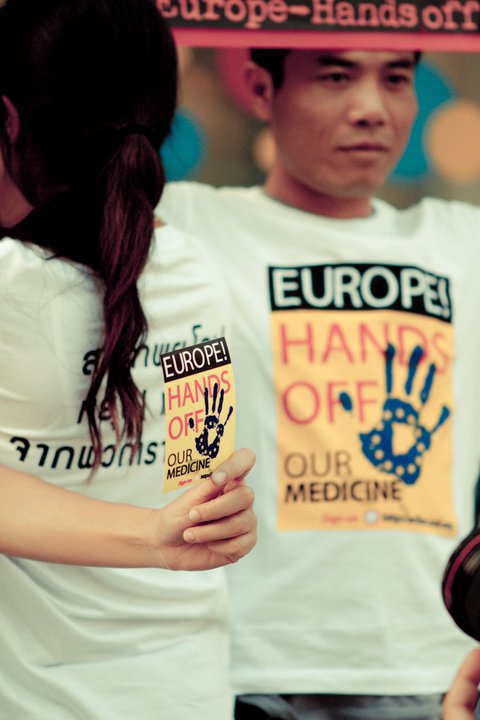
The European Union (EU) is currently negotiating a free trade agreement (FTA) with the four founding members of Mercosur (Argentina, Brazil, Paraguay and Uruguay), which comprises a chapter on intellectual property rights (IPR). A new round of negotiations is taking place from November 29th to December 8th in Brussels[1]. Word is that they aim to announce the closure of the agreement at the next World Trade Organization (WTO) Ministerial Conference that will be held from 10-13 of December in Buenos Aires and the clock is ticking to close all the chapters before that. The authors have conducted a study that shows the adoption of the measures proposed by the EU could put the sustainability of access to health policies in Brazil at risk, as they could sharply increase public expenditures on medicines.

Expert Panel Recommends That The WHO Move Forward On Transparency And Delinkage

On Monday, 27 November, the WHO published the recommendations of the overall programme review of the global strategy and plan of action on public, health innovation and intellectual property (EB142/14). The expert panel provided 33 recommendations which included 17 forward looking”high-priority actions” including on transparency and delinkage, writes Thiru Balasubramaniam.

WIPO Development And IP Committee This Week: Agenda Includes Flexibilities, Tech Transfer, SDGs, Studies

Following a session in May hailed as the most positive in years, the World Intellectual Property Organization Committee on Development and Intellectual Property reconvenes this week. Among items to be discussed are a revised proposal by the African Group to convene a biennial international conference on IP and development, how to deal with the United Nations Sustainable Development Goals, and recommendations of an independent review of the implementation of the 2007 WIPO Development Agenda Recommendations.

Access To Affordable Healthcare: A Global Wake-Up Call Fosters Coalition Of The Like-Minded

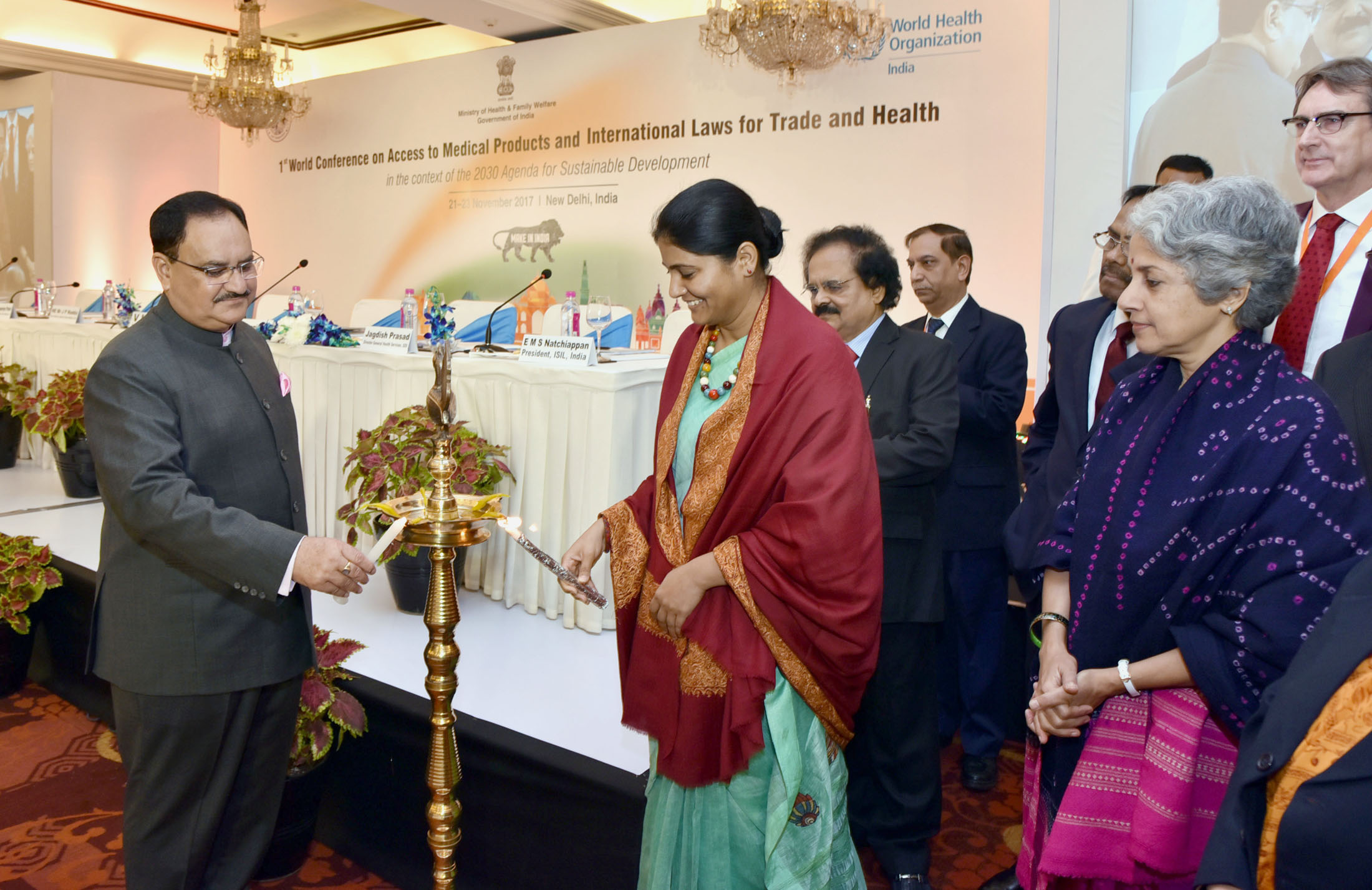
NEW DELHI -- Few topics in the global health agenda are as contentious as access to affordable medicines and medical care, and expectedly, divergent views permeated the discussions at a high-level conference in New Delhi, India last week. But if there is one thing that the three-day meet made amply clear, it was this: access to affordable healthcare has emerged as a global problem, and an emerging coalition of the like-minded, cutting across the developed and developing countries, is determined to have their voices heard in international policy circles on the issue.

Studies Presented At WIPO To Better Understand Limitations To Copyright

With no consensus on conducting normative work at the World Intellectual Property Organization on the limitations to copyright for certain actors such as persons with disabilities, educational institutions, and museums, the committee on copyright had agreed on several studies so the issues are better understood. This week, several of those studies were presented to the committee and shed some further light on the issues.

WHO Issues Guidelines Against Antibiotic Overuse In Farms And Food Industry

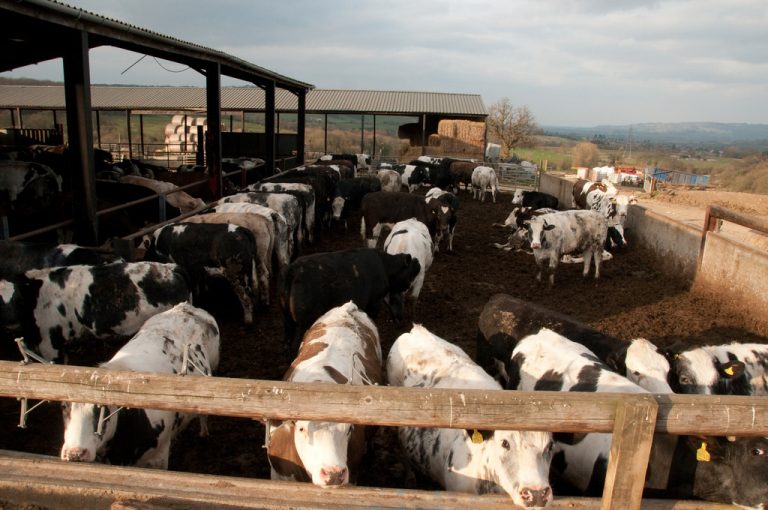
Against the growing threat of a world where bacteria can kill again because they have developed resistance to available antibiotics, and the lack of new promising options in the research pipeline, several international agencies are seeking solutions. The World Health Organization today published a set of recommendations to help stop the routine use of antibiotics to promote growth and prevent disease in healthy animals.

The User Rights Database: Measuring The Impact Of Copyright Balance

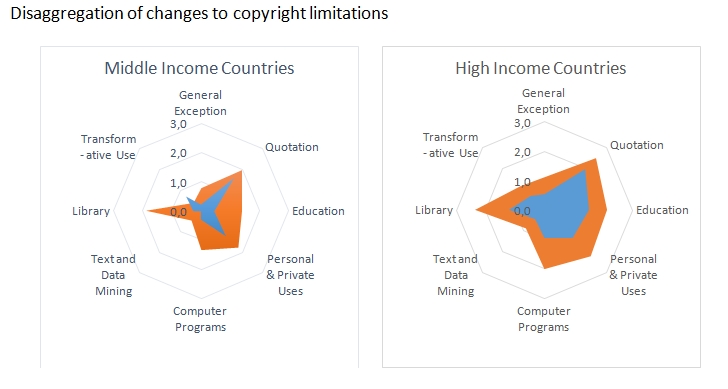
PIJIP’s Copyright User Rights Database tracks changes to copyright user rights (aka limitations and exceptions) over time in a sample of 21 countries of different development levels. The data assesses the degree to which other countries have adopted exceptions that are as open as the US fair use right – i.e. open to a use of any kind of work, by any kind of user and for any purpose. The instrument and results are available at infojustice.org/survey.