Category Biodiversity/Genetic Resources/Biotech

Patentability Of Some Biotech Uncertain In Europe As Examination, Opposition Suspended

The patentability of plants or animals that have been obtained by natural occurrence such as selection and crossing has been a recurrent issue discussed at the European Patent Office (EPO). A recent notice from the European Commission challenged a ruling by the EPO Enlarged Board of Appeal on such patents, prompting yet more discussions in the organisation. In the meantime, all examination and opposition on such patents have been halted at the EPO. Industry is concerned that the EPO ruling might be questioned, and warns of effects on innovation, harm to applicants. Civil society is concerned about a non-transparent process.

Nagoya Protocol Implications For Health, Flu Genetic Data On WHO Board Agenda

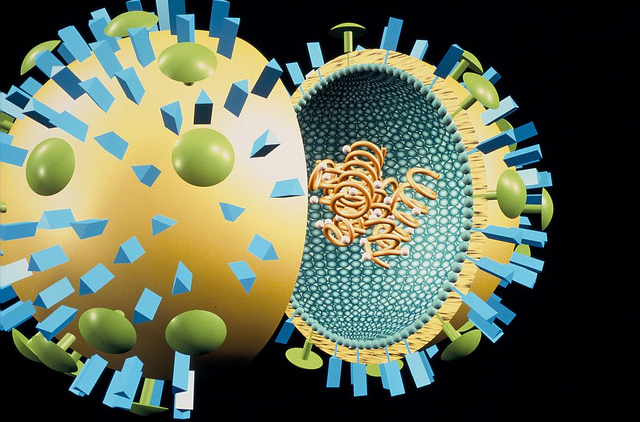
The World Health Organization recently published its analysis about the public health implications of the Nagoya Protocol on genetic resources access and benefit-sharing, and in particular how it affects the sharing of pathogens, like influenza viruses. The findings are set to be discussed at this month’s WHO Executive Board meeting. Also to be discussed is an experts group review of the WHO pandemic influenza framework, and in particular its conclusion that the framework should be amended to match scientific progress.

US Food And Drug Administration Issues Equivalence Guideline For Biosimilars Producers

Biotherapeutic medicines are made out of living organisms and cannot be replicated. No generic medicines, which are exact copies of the reference product, can be made. The generic equivalent of a biotherapeutic would be biosimilars, which are highly similar products. The United States Food and Drug Administration has issued a guide to help producers to prove how close their biosimilars are to the biotherapeutics.

UN Study: GIs Could Open New Markets For Poor Countries If Financing, Training Provided

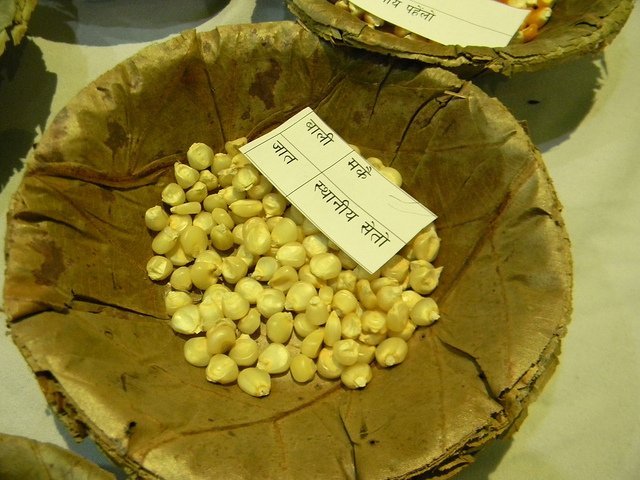
A new study by the United Nations Conference on Trade and Development (UNCTAD) finds that geographical indications could open the way to lucrative export markets for least-developed countries. The study calls for UN agencies to support those countries in their effort to develop GIs and diversify their exports, but warns about the need for capacity building and financial help, and raises biodiversity concerns of GI intensification.

Support IP-Watch: An Appeal To Readers

Intellectual Property Watch needs your financial support. As one of our readers, you know that IP-Watch plays a vital role in international policymaking on intellectual property and innovation through its independent, reliable, balanced and dedicated news coverage. But like other…