Category Biodiversity/Genetic Resources/Biotech

Panel Advances Key Public Interest Issues In Gene Editing Technology

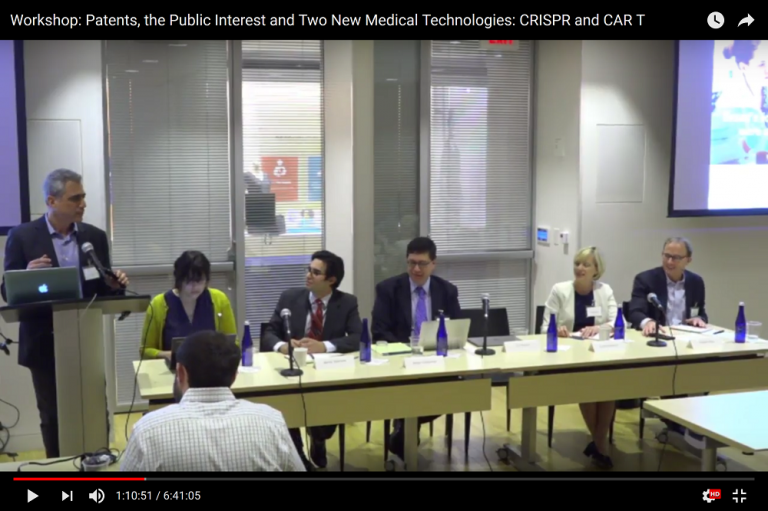
WASHINGTON, DC -- The still-emerging breakthrough CRISPR gene editing tool has the potential to transform the field and do enormous good for humankind. But let’s make sure we understand it better and ensure the public interest before launching into using it too widely. Meanwhile, companies and researchers are actively licensing the technology. That was a message of a set of panellists working close to CRISPR’s development, speaking at a recent event in Washington, DC.

US Lobby Group Fights China’s Inclusion Of Generic Food Names In EU GI Deal

China and the European Union appear to be on track to complete a deal on geographical indications that could include protection of some 100 products each from the EU and China. Comments have been received on the proposed list and are undergoing translation. Among them, a United States lobby group said the list for China to protect unfairly includes several generic food names that should not belong solely to the EU.

Did Monsanto Write Malawi’s Seed Policy?

Tim Wise writes: In late July, a short article was published in a Malawian newspaper: “Press Release on Organization of Seed Fairs.” Issued by the Ministry of Agriculture, Irrigation, and Water Development, in conjunction with the Seed Traders Association of Malawi, the short statement advised the public that “only quality certified seed suppliers registered with Government to produce and/or market seed should be allowed to display seed at such events.” The release was signed by Bright Kumwembe for the Agriculture Ministry.

I received this news in the United States as I prepared a research trip to Malawi, and I was shocked. Malawi is in the final stages of a multi-year effort to reform its seed policy and laws, and the largest point of contention at this point is the failure of the draft policy to recognize and protect so-called “farmers’ rights” to save, exchange, and sell the seeds they grow on their farms.

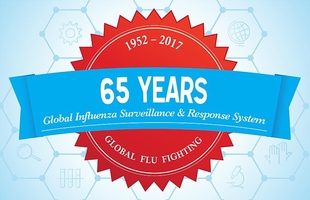
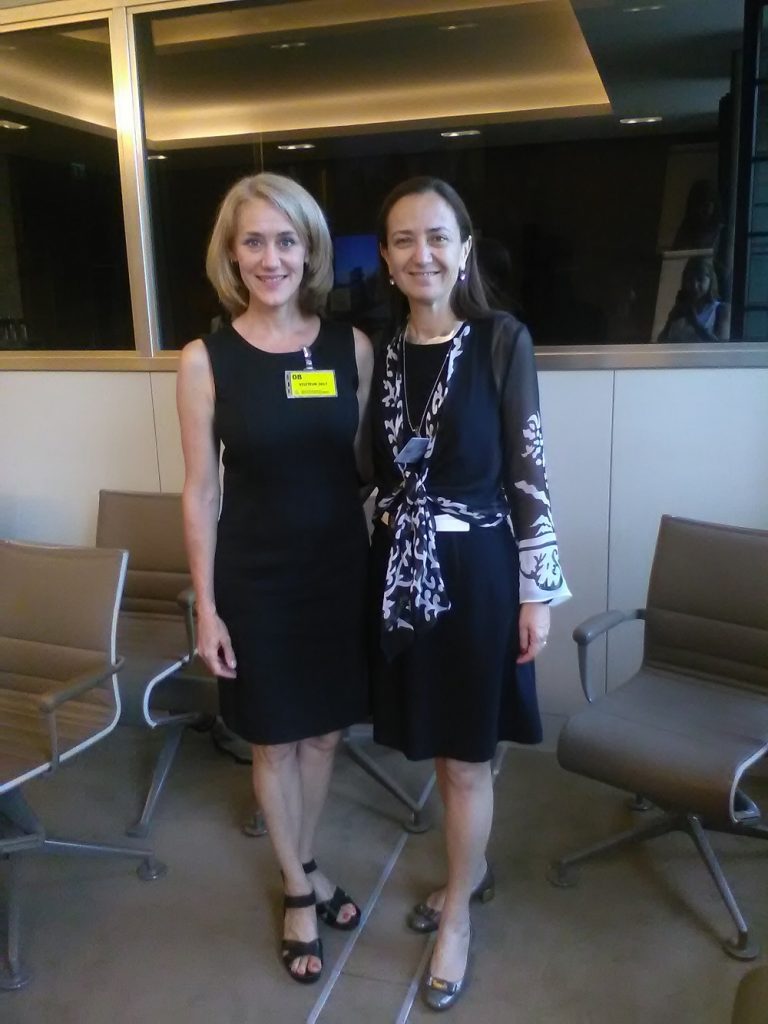
WHO Influenza Watchdog Network Meeting In Geneva, Setting 5-Year Plan

The global network of national influenza centres is at the core of the World Health Organization system of influenza surveillance and response. All year round those national influenza centres collect, interpret and share flu samples or genetic information with the WHO so that seasonal vaccines can be manufactured, and potential pandemics adequately identified and contained.

New WIPO Publications To Help Policymakers With Protection Of TK, Folklore

For years, the intellectual property system, created to protect products of the mind including inventions, held little interest for the continually evolving ancestral culture of indigenous peoples. But the rights of indigenous peoples and local communities are now discussed in many fora, including the World Intellectual Property Organization, where the focus is how to use the IP system to protect indigenous knowledge and genetic resources from misappropriation and exploitation. And the UN organisation just issued two publications on possible ways to use the IP system to do just that.

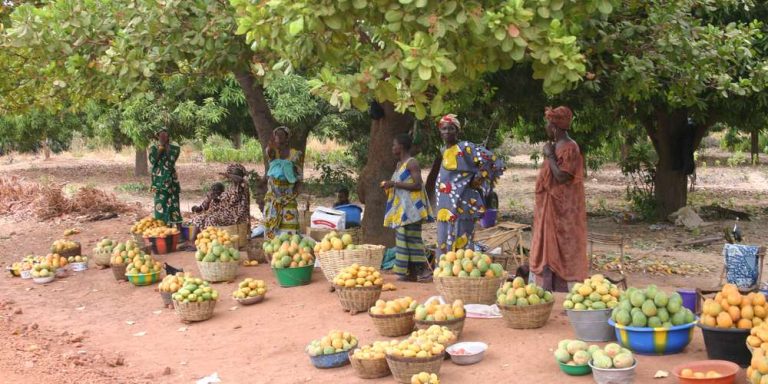
Informal And Formal Seed Systems, Usually Enemies, Can It Be Otherwise?

Can the farmer seed system most widely used in the world, and the system of seeds produced by plant breeders certified and protected by intellectual property rights, be complementary? The question was addressed during a recent webinar organised by the Global Forum on Agricultural Research, with no easy answers. In particular, speakers mentioned several challenges, including the lack of a common agreement on what are farmers' rights, and the inability for small farmers to register their seeds so they are protected, in particular against biopiracy.

Where There Is A Will There Is A Way: Speakers At WIPO Event Discuss Indigenous Knowledge Protection

An event held on the side of the World Intellectual Property Organization committee on traditional knowledge meeting last week looked at ways to move discussions forward in the light of the committee’s expected renewed mandate. Speakers explored different perspectives and possible new avenues for indigenous and local communities to protect and manage their knowledge and cultural heritage, without the threat of misappropriation.

WIPO TK Committee Agrees To Continue Work, But Real Outcome Depends On October Assembly

A recommendation to continue the work of the World Intellectual Property Organization committee on the protection of traditional knowledge, genetic resources and folklore is on its way to the organisation's annual General Assembly in October. However, the details of the mandate are left for the General Assembly to discuss, such as the mandate and the work programme of the committee for the next two years.