Category Subscribers

UK To Revamp Law On “Groundless Threats” Of Infringement Suits
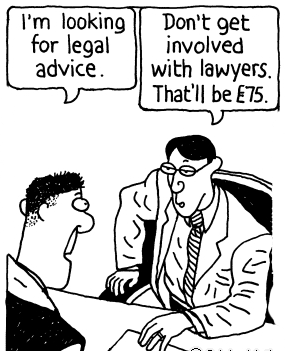
Recommendations for key reforms to laws against “groundless threats” of infringement lawsuits in patent, trademark and design rights cases won general UK government backing today. IP lawyers said the government's stance will go far toward resolving longstanding concerns.


WIPO Members Propose Changes To Draft Legal Instrument Protecting GIs

In the run-up to the May high-level negotiating meeting to amend a World Intellectual Property Organization treaty to enhance the protection of geographical indications, member countries were invited to suggest changes to the basic negotiating text. Ten countries issued proposed changes by the 1 February deadline, some asking for full participation of WIPO members in the negotiations of the 28-member treaty.

US Again Target Of Complaints Of Persistent Non-Compliance At WTO DSB

Discussions at the World Trade Organization Dispute Settlement Body meeting yesterday again included the long-running dispute on a rum brand with Cuba accusing the United States of persistent non-compliance, and other WTO members – such as China and the European Union - urging the US to finally repeal its bill. The US measure was ruled inconsistent with the WTO intellectual property rules 13 years ago, and critics warn that the US recalcitrance is harming the dispute settlement system.

Status Of WTO Wines And Spirits Register Discussed

World Trade Organization delegates were convened this week to discuss an international register for wines and spirits in the context of the organisation’s agreement on intellectual property. The discussion, dating back nearly 20 years, has long involved different views on the register, which were reaffirmed this week, according to sources in Geneva.

Neuchâtel Event Looks At Swiss Innovation, Competitiveness

NEUCHATEL - Switzerland is among the best students of global innovation. It continues to score at the top of global indexes and reports on innovation and competitiveness. At a seminar last week at the University of Neuchâtel, speakers gave their views on that success.

US Congress Reconsiders Anti-Patent Troll Law

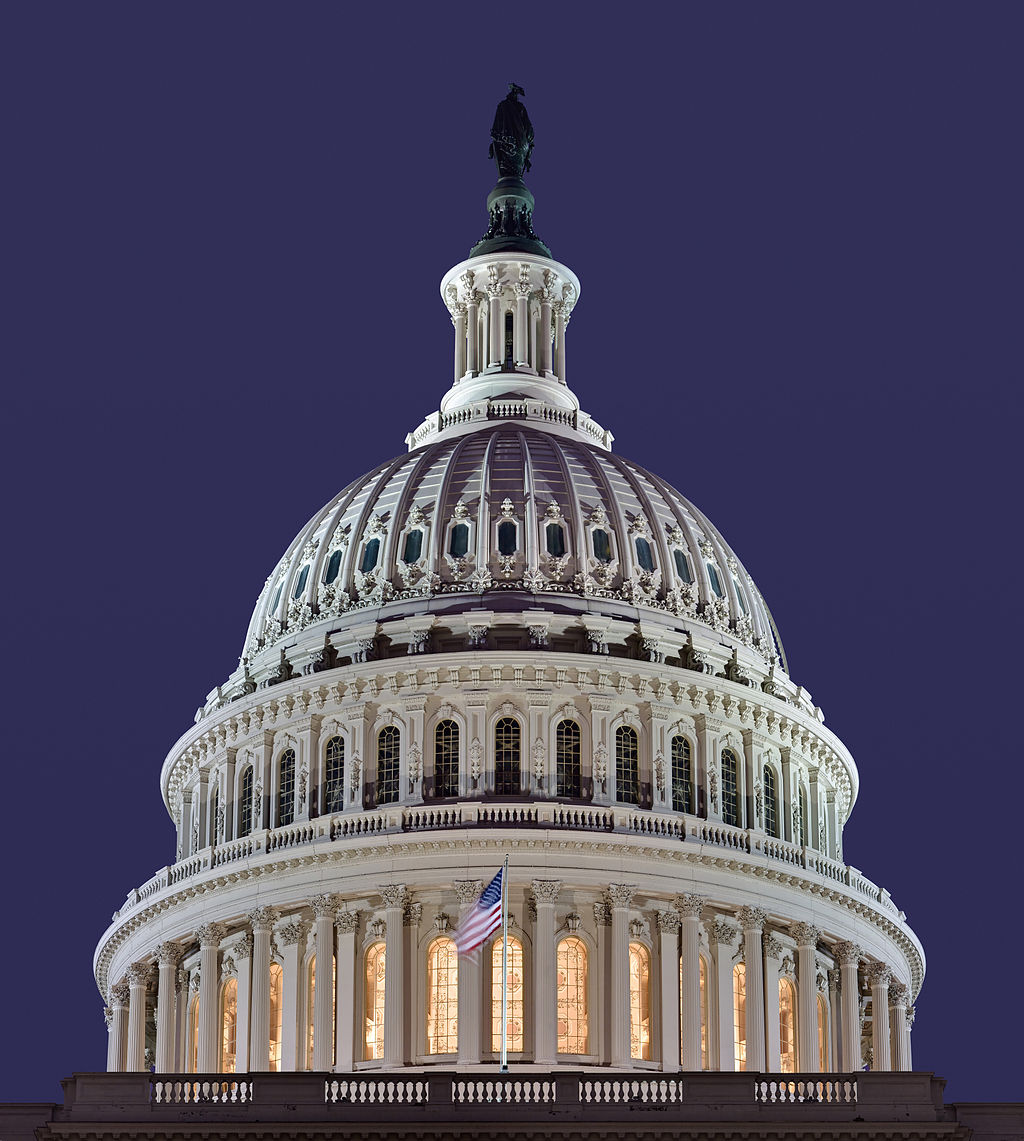
It happened again on 5 February. The powerful chair of the House Judiciary Committee, Rep. Bob Goodlatte introduced the Innovation Act for a second time. This bill, aimed at hurting patent trolls by making a plethora of changes in US patent law, easily passed the House of Representatives last term. It subsequently bogged down in a Democrat-controlled Senate. However, now that the GOP controls both wings of Congress, many observers predict the bill will have soon become law. Other experts aren’t so sure, noting that the Innovation Act is drawing some powerful opposition – and not just from patent trolls.

The Year In Biotech/Biodiversity: Patentability, Plant Varieties, Treaty Implementation

Intellectual property-related developments expected this year could profoundly impact the fields of biotechnology and biodiversity. In addition, ongoing issues relating to plant variety protection and public health are expected to be at the forefront of discussions this year. The following is a look at many of the top issues to come.

US Challenges For Biotech In 2015 – An Interview With BIO’s Hans Sauer

The biotechnology industry is closely watching developments in the United States that could impact the industry in 2015. These include the regulatory framework for biosimilars, possible patent legislation, post-grant review procedure, and the consequences of the recent Supreme Court ruling banning the patenting of human genes. Hans Sauer, Deputy General Counsel for Intellectual Property at the Biotechnology Industry Organization (BIO), recently spoke with Intellectual Property Watch’s Catherine Saez. Sauer was asked to lay out the main developments to watch in the coming year.

WHO Sets Path For Completing Rules Of Engagement With Industry, Foundations

The World Health Organization Executive Board has set a way forward from now to the annual May World Health Assembly for addressing the sensitive issue of drafting a framework for engagement with “non-state actors,” such as industry, foundations, academics and other non-governmental stakeholders.