Category Subscribers

US Firm On WIPO Budget Demands: Lisbon Must Find Funds, WIPO Financial System Must Change

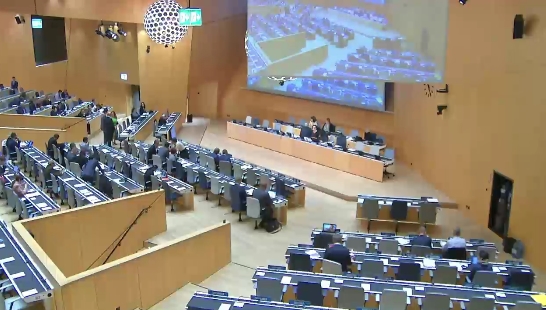
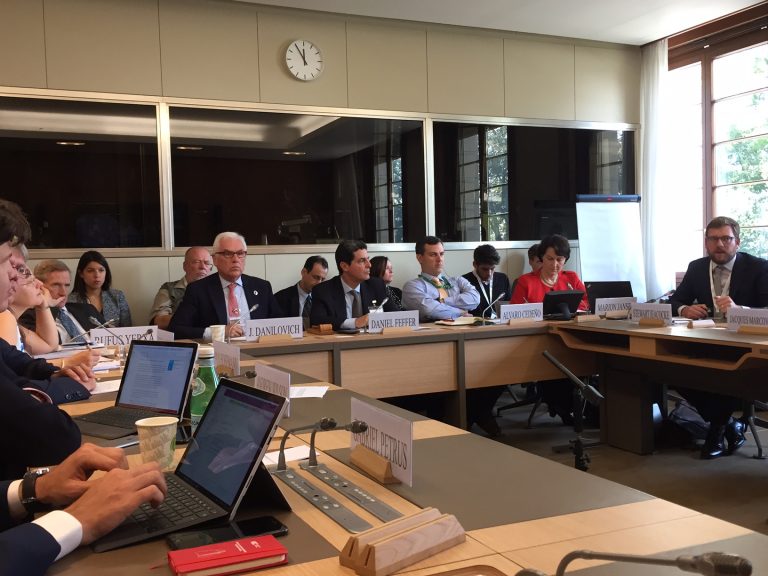
World Intellectual Property Organization members this week are trying to find a compromise in order to adopt the budget for the years 2018/2019. The United States has posed conditions on approval, particularly that they would like to keep discussing a potential change in WIPO's budget allocation to prevent the treaty they pay most into from having to fund other less financially viable treaties. They also asked that the WIPO treaty protecting geographical indications eliminate its deficit, and that no high-level negotiating meeting be provisioned for without the whole WIPO membership agreeing to it.
The Consequences Of Killing USPTO Patent Reviews

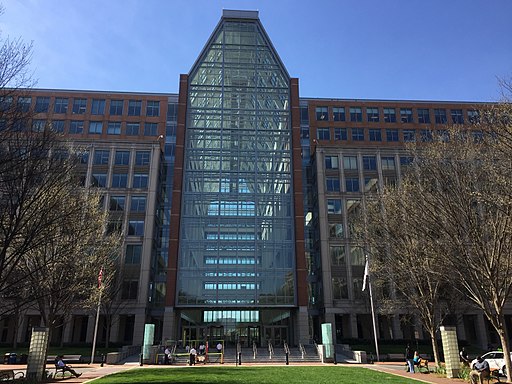
Does the US Constitution prohibit the USPTO from striking down issued patents? That question will be decided by the US Supreme Court later this term. Should the Court rule against the USPTO, it would dramatically alter the US patent system in favor of patentees, give a big boost to patent trolls, and damage innovation in the US. The ruling also would make the US an outlier among major industrialized countries – turning it into the only such nation where patents could not be challenged in administrative proceedings.

How USPTO Patent Reviews Became Imperiled

Initially, the lawsuit was widely viewed as a waste of time. The suit asserted a strained legal argument that already had been rejected twice by federal appellate panels, in 1985 and 1992. Yet this lawsuit, Oil States Energy Services v. Greene’s Energy Group, has now reached the US Supreme Court. So later this term, the high court will decide whether the US Constitution prevents the US Patent and Trademark Office from ever striking down issued patents.

Initiative Aims At Using New Technologies To Reinvigorate International Trade

As protectionism tempts some, the International Chamber of Commerce Brazil is launching an initiative to bring new technologies to the rescue of international trade. The new digital age holds promise and is inevitable, but requires solid policymaking and improvement in such areas as education and broadband coverage to deliver on its possibilities, panellists at the World Trade Organization Public Forum said today.

US Firms Rush To File Patents Ahead Of Driverless Car Boom

The socioeconomic impact driverless cars are expected to have is often compared to that of the internet, or going further back in time, to the industrial revolution. As fleets of vehicles that pilot themselves approach commercial rollout thanks to developments in artificial intelligence (AI), machine learning, and other technologies; original equipment manufacturers are aggressively filing patents for their self-driving vehicle designs. These players include General Motors and its Cruise Automation subsidiary, German automotive supplier Bosch, Ford, which owns a stake in driverless car start-up Argo AI; and Google sister company Waymo.

Panel Debates Potential Impact Of Reversal Of US Administration Patent Review

The United States Supreme Court recently agreed to hear arguments in Oil States Energy Services v. Greene’s Energy Group, a case involving a patent on a device used for hydraulic fracturing (fracking). After the patent was granted, Greene’s petitioned for, and was granted, an “inter partes review (IPR)” by the US Patent and Trademark Office’s Patent Trial and Appeal Board (PTAB). After losing at the board, Oil States asked the high court to determine that IPR, which is used to analyse the validity of existing patents, is unconstitutional because it takes away private property rights by denying Art. III jury trials.

US Copyright Agenda Stalling In Congress

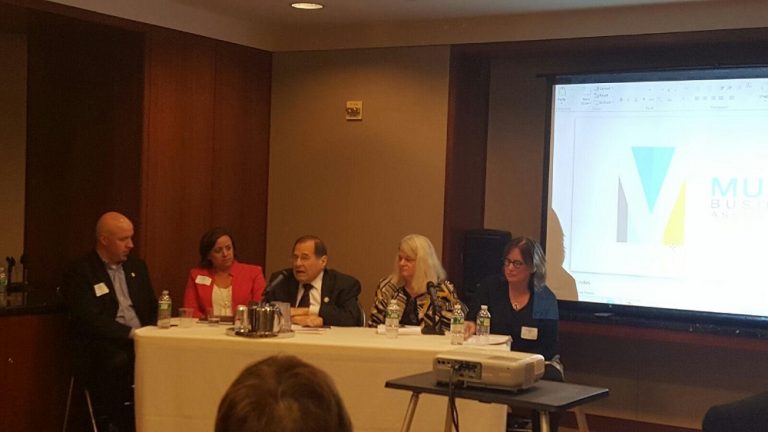
NEW YORK -- The music community in the United States has a wide copyright agenda covering various business issues and stakeholders. While it had entertained the notion that a new President with its new administration and Congress would be more sympathetic to the complex needs of the industry, it is still waiting for the Trump administration to act on copyright issues, judging from comments made by various stakeholders in the legislative process during an industry panel in New York this week.

WIPO Committee Unable To Agree Program And Budget After Proposal For Reform

Discussions last week at the World Intellectual Property Organization on how international IP systems managed by the organisation are financed have introduced broader questions about core functioning. The WIPO budget for 2018/2019 was not approved in committee during the week, despite efforts by a small group of countries to find common language on changes to the financing of WIPO systems. A number of countries found the proposed changes in the financing of those different systems require deeper analysis on potential consequences, and asked for more time to consult with their capitals.

The Many Layers Of Best Practices In The Fight Against Counterfeiting, Piracy

Landlocked Switzerland never had to face pirates in seafaring days, but these days Stop Piracy – the Bern-based Swiss anti-counterfeiting and piracy platform - is actively united in fighting this 21st century threat that lurks in cyberspace everywhere. At a recent conference in Neuchâtel, a range of experts, including from the European Union IP Office, explored the issues.

New WIPO External Offices: Candidates At The Door, But What’s In It For WIPO?

For the last two years, World Intellectual Property Organization delegates have been trying to tackle a seemingly unsolvable equation: too many candidate countries for four new WIPO external offices. Yet more time seems necessary to reduce the number of candidates, which show no sign of stepping down, insisting on the value of a WIPO external office. However, some doubts have begun to arise over the benefits of the expansion of WIPO's network of field offices.