Category Subscribers

Leadership And Change: An Interview With Medicines Patent Pool Board Chair Marie-Paule Kieny
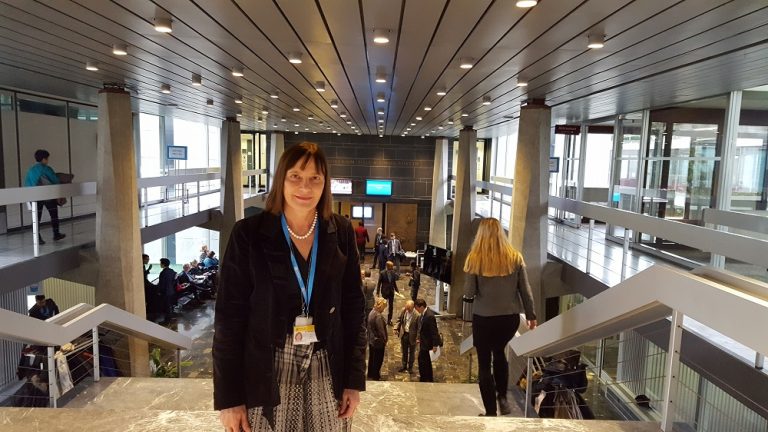
The unexpected announcement in December of the resignation of the Medicines Patent Pool executive director left the Pool searching for its new head. Marie-Paule Kieny, former World Health Organization assistant director general, now chair of the MPP governance board stepped in to oversee the MPP while the search goes on. She sat down recently for an interview with Intellectual Property Watch to explain that MPP is conducting business as usual, and is keeping firm in its plan to release the results of a feasibility study analysing the possibility for MPP to extend its licensing activities to other essential medicines still under patent.
WHO To Help Countries With Price Transparency, Regulation, TRIPS Flexibilities

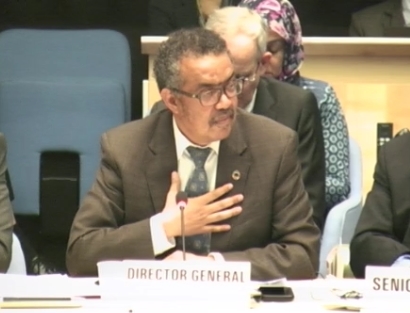
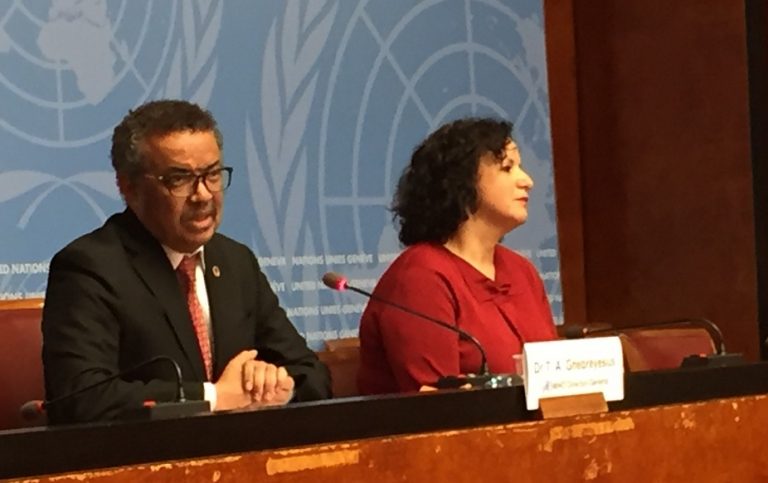
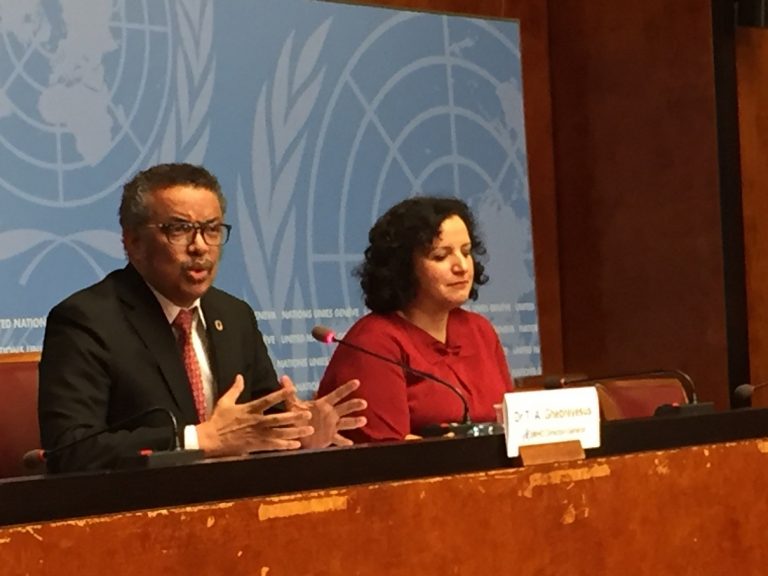
World Health Organization Director General Tedros Adhanom Ghebreyesus (Dr Tedros) held a press conference yesterday to present progress made since his election last May. His office answered a follow-up question today from Intellectual Property Watch on access to medicines and how the organisation could help countries to do a better job.

WHO Director Presents The Press With Progress Report, Answers Tough Questions

Following a promise made at the beginning of his tenure to meet with the press regularly, World Health Organization Director General Tedros Adhanom Ghebreyesus (Dr Tedros) held a press conference today to paint a picture of what has been done under his leadership for the last seven months. He highlighted the establishment of the WHO General Programme of Work for 2019-2023, the quest for a new resource mobilisation strategy, measures taken on emergencies, and the push for universal health coverage. He also answered questions about the WHO nomination of President Mugabe that was cut short, and an appointment in his leadership team.

“We Must Engage With Industry” – WHO Director Explains Limits On Lobbyists

The engagement of actors such as industry, civil society, philanthropy and academia with the World Health Organization has been a subject of controversy, with some of those actors being potentially able to influence the work of the organisation. A framework for engagement with those stakeholders was agreed two years ago. At last week's Executive Board meeting, the new WHO director general explained that engagement with those actors, and notably industry, is worth the risk, which he said can be managed.

WHO Board Backs Ambitious Work Programme, Sent For Full Membership Approval

The World Health Organization programme of work 2019-2023 is one step closer to being adopted by member states and serving as a guideline for the future vision and mission of the organisation. The Executive Board approved the programme last week and recommended its adoption at the upcoming World Health Assembly. The programme issued by the secretariat in autumn was revised twice, as countries requested amendments.

Importance Of Flu Pandemic Preparedness Confirmed By WHO Board Decision

One hundred years after the great Spanish flu pandemic, World Health Organization members today underlined their satisfaction with the organisation’s framework to get countries best prepared for the next pandemic: The WHO Executive Board agreed on keeping most of the funds coming to the framework for preparedness measures, and a smaller portion for response measures, unless emergency strikes.

WHO Executive Board Agrees On Actions To Boost R&D, Access To Medicines

After long deliberations, the World Health Organization Executive Board agreed this morning to ask member states and the organisation to implement recommendations aiming at improving innovation and access to medicines. Three recommendations, specifically aimed at member states, including on the transparency on the cost of research and development of medicines, met resistance by some countries and were left hanging, to be discussed by member states with no timeframe.

CBD Issues Study On Challenges For Benefit-Sharing Of Digital Genetic Information

The UN Convention on Biological Diversity has issued the results of a fact-finding study on genetic resources digital genetic information. The study particularly examined terminology and how digital genetic information are influencing its protocol on access and benefit sharing of genetic resources. The study called for policymakers to stay abreast of the profound developments shaping research today, and underlined challenges such as the identification of contributors and users, the provenance of sequences, and what the study defined as a "grey area" between non-commercial and commercial research.

New Text Shows Progress Of Negotiation On IP And Access At WHO

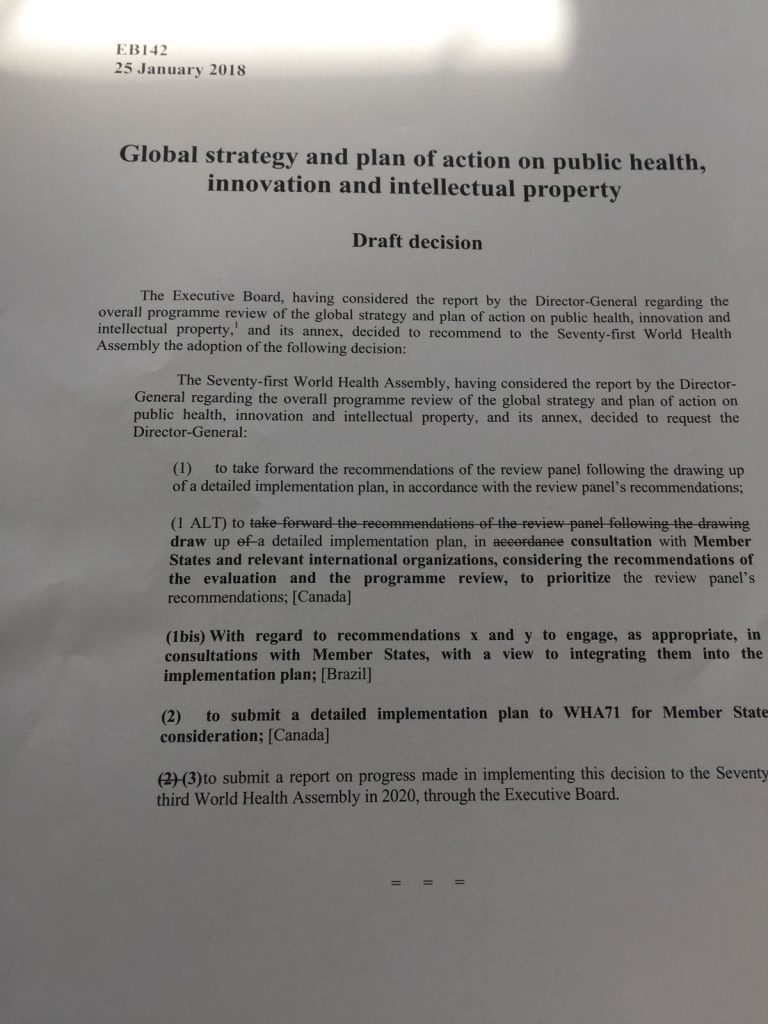
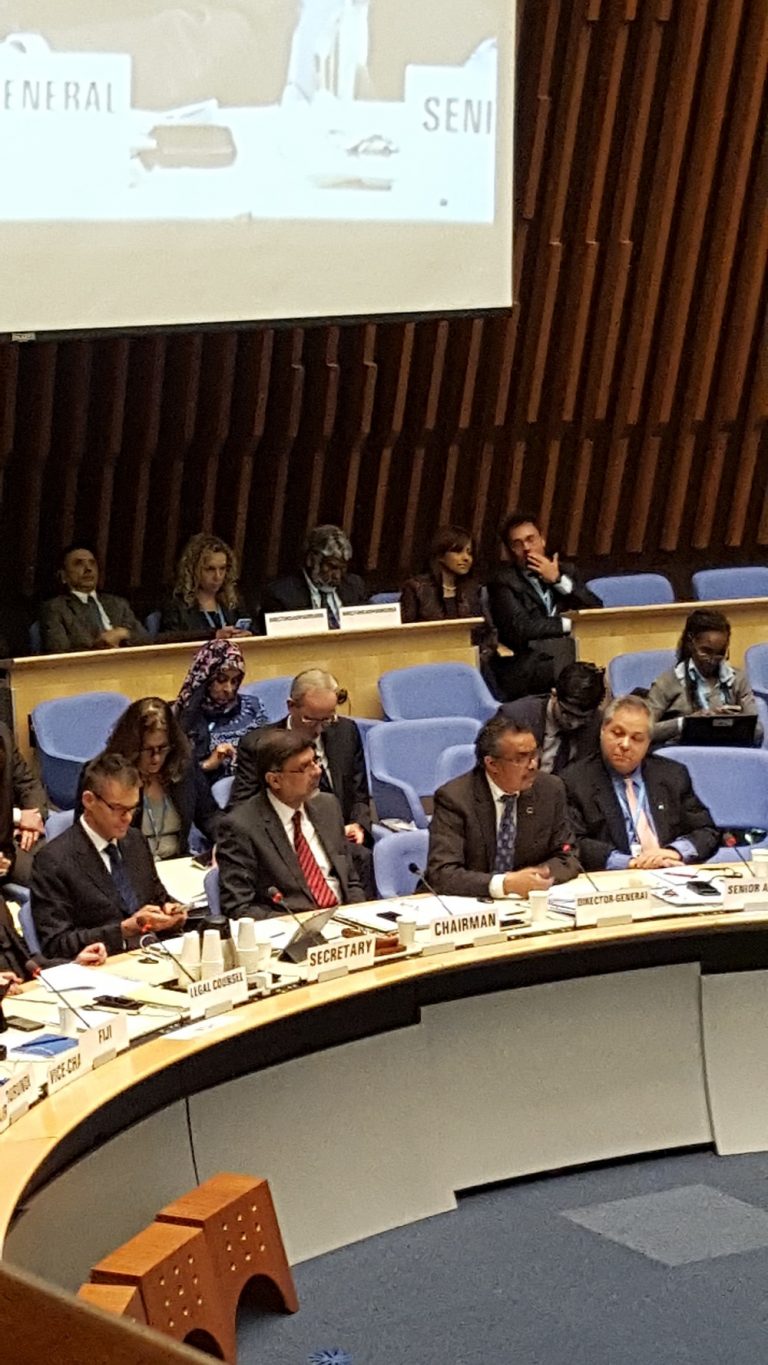
The Brazilian ambassador and others this morning at the World Health Organization Executive Board meeting were not going to let go of what seemed to be a delaying tactic by the United States and Japan to postpone agreement on the implementation of measures aimed at facilitating research and development and access to medicines. The WHO Board today is considering a set of streamlined strategic measures on public health, innovation, and intellectual property.

WHO Board Shows Resolve In Tackling Shortages, Access To Medicines, Vaccines

The members of the World Health Organization Executive Board tonight (24 January) agreed to create a roadmap on global shortages of, and access to, medicines and vaccines. WHO members proclaimed the urgent need to address prices and availability of safe and efficient medicines and vaccines, some requesting the recently elected director general of the organisation to help find solutions.