Category Subscribers

Council Of Europe Adopts Guidelines On Role Of Internet Intermediaries
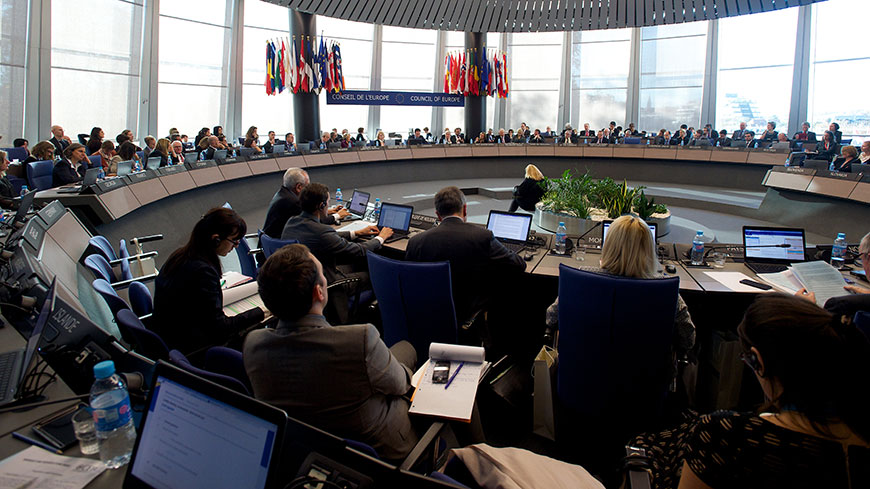
The Council of Europe today adopted a set of recommendations containing some 60 detailed obligations and suggestions for governments to ensure internet intermediaries, such as search engines and social media, uphold human rights and fundamental freedoms online.
UN Rapporteur For Privacy Rebuffed On Surveillance Oversight Negotiations

The United States, China and the European Union were unanimous yesterday in their rejection of international consultations for a possible legal instrument on government-led surveillance and privacy. During the 19th meeting of the 37th session of the UN Human Rights Council in Geneva, they called a possible legal instrument against uncontrolled cross-border surveillance proposed by the UN Special Rapporteur on Privacy, Joseph Cannataci, “unnecessary.” But Cannataci responded that the problems cannot be ignored.

Tough Talk On Transatlantic Privacy, Once Again

The EU Commissioner for Justice, Consumers and Gender Equality, Věra Jourová, ahead of her US visit announced “a tough tone” on remaining gaps in the implementation of the privacy shield, the arrangement that allows to transfers of data of EU citizens to the United States. Speaking before the EU Parliament's Committee on Civil Liberties (LIBE), Jourová said while she had heard the privacy shield was not a priority of the US administration, “it will be a priority, if we make clear that we will suspend the system if it doesn't work,” adding, “My patience is coming to an end.”

A Look At The Role Of Governments, Universities, Science In Health Innovation & Access

Intellectual property rights, particularly patents, are considered by some as being a barrier in access to medicines despite being a stimulus for innovation. At a recent symposium co-organised by the World Health Organization, World Trade Organization and World Intellectual Property Organization, speakers also talked about the role of science, governments, and universities in health innovation and access, and how to address challenges such as secondary patents.

Medicines Vastly Overpriced, Generics Too: Discussion At WTO-WIPO-WHO Symposium

The price of hepatitis C medicine marked a turning point in the discussion on access to medicines, with developed countries suddenly confronted to prices they could not afford. This week, a symposium jointly organised by the World Health Organization, the World Trade Organization, and the World Intellectual Property Organization explored the question of the pricing of medicines. A number of suggestions were made to alleviate the issue, such as ensuring wide use of generic medicines, encouraging competition, and alerting countries about the cost of medicine production so they negotiate better with pharmaceutical companies.

WTO TRIPS Council: For Some, IP-Intensive Industries Are Engine Of Economy. For Others, IP Alone Is Not Sufficient

The World Trade Organization committee on intellectual property met this week and gave an opportunity to WTO members to discuss the value of intellectual property for micro, small and medium sized enterprises (MSMEs), and its importance for IP-intensive industries. Several members, such as the European Union on behalf of its members presented data to illustrate the importance of IP for MSMEs. Meanwhile, India and South Africa remarked that IP is only one factor to promote innovation, but are not a sufficient ingredient.

WTO, WHO, WIPO Heads Share Views On Innovation And Access At Trilateral Symposium

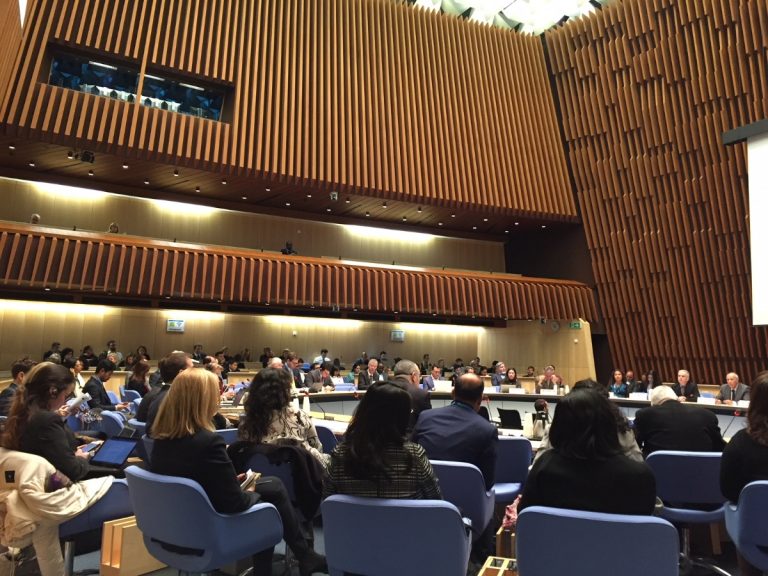
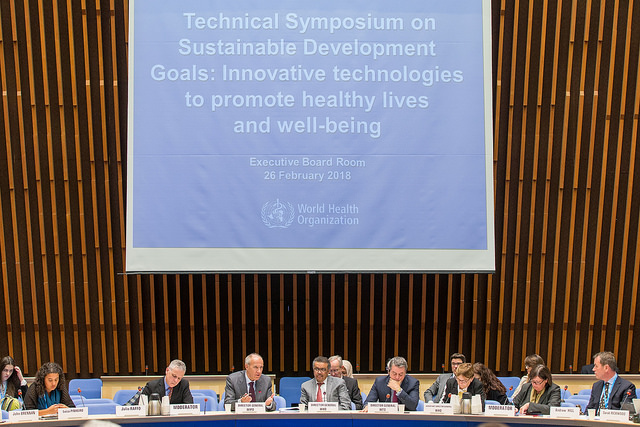
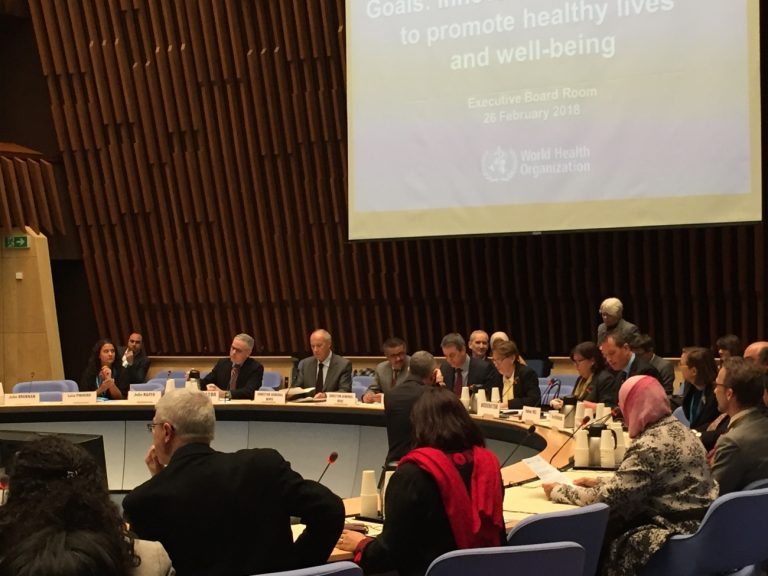
How to encourage health innovations and make sure that new medicines, vaccines, or diagnostics will reach every person who needs them? That is a question which has been hotly debated in different fora. Yesterday, the World Trade Organization, UN World Health Organization, and UN World Intellectual Property Organization jointly held a symposium on how innovative technologies can promote the United Nations Sustainable Development Goals. The WHO director general called on his colleagues to support policies facilitating access to health technologies.

German Court To Hear Unified Patent Court Challenge, As EPO Staff Questions Persist

The German Federal Constitutional Court has agreed to take up a challenge that could potentially derail the Unified Patent Court (UPC). The special - and opaque - procedure under the national constitution allows a single individual to claim constitutional breaches, said Hogan Lovells (Dusseldorf) patent litigator Clemens Plassmann. The lawsuit leaves the UPC in disarray at least until next year, he said.

Meanwhile, in the never-ending feud between European Patent Office (EPO) management and staff, President Benoȋt Battistelli was forced to back off from a planned rule change that would allow him to fire staff members “if the exigencies of the service require abolition of their post or a reduction in staff.”