Category Language

Civil Society Offers Range Of Advice To WIPO Negotiators On Broadcast Treaty

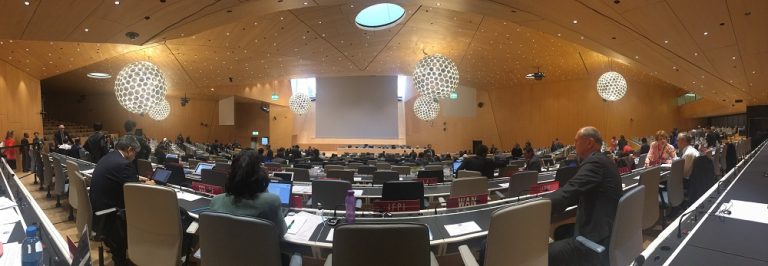
Civil society doesn’t see things from behind a window, but takes the lead in international policy negotiations to discuss issues that affect everyday life. At this week's World Intellectual Property Organization copyright committee meeting, some of the observers took the floor to let delegates know their opinion on the crucial matter of an international treaty on broadcasting under negotiation.

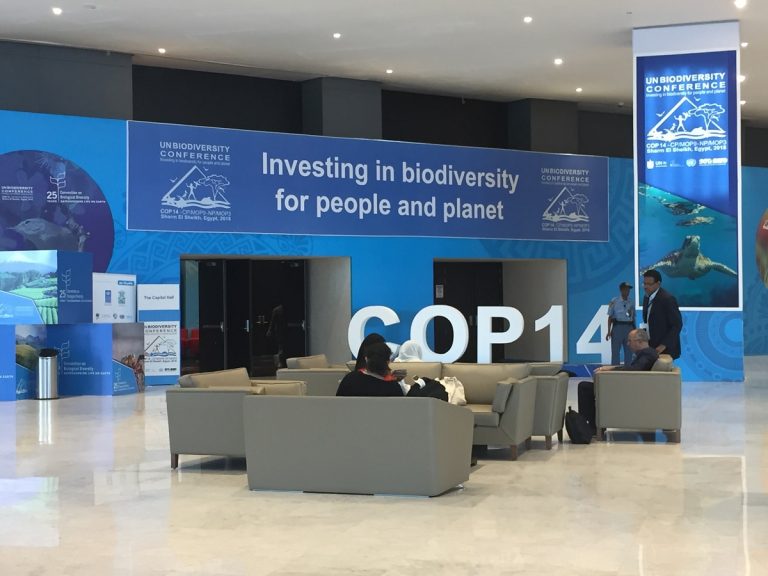
Panellists To CBD: Funds Needed To Save Biodiversity, Genetic Resources Not In Nagoya Protocol Should Be Included

SHARM-EL-SHEIKH, Egypt - The access and benefit sharing protocol of the UN Convention on Biological Diversity is based on bilateral agreements between providers and users of genetic resources. There are, however, many cases where genetic resources are dispersed, and difficult to attribute to only one location. The issue is being discussed at the biennial meeting of the CBD member states, in particular the possibility of a global multilateral benefit-sharing mechanism to address those genetic resources not yet covered by the protocol. A side event yesterday explored the possible conditions and needs for establishing such a mechanism, and called for urgent action.

WIPO Working Toward Agreement To Finish Broadcasting Treaty This Week

The World Intellectual Property Organization copyright committee is meeting this week with a top agenda item of sending a longstanding treaty on copyright for broadcasters to its final conclusion. Dozens of lobbyists, mainly from Europe and North America, are on hand to help.

Gene Editing: Fears Lead To Call For Moratorium At CBD, Discussions Ongoing

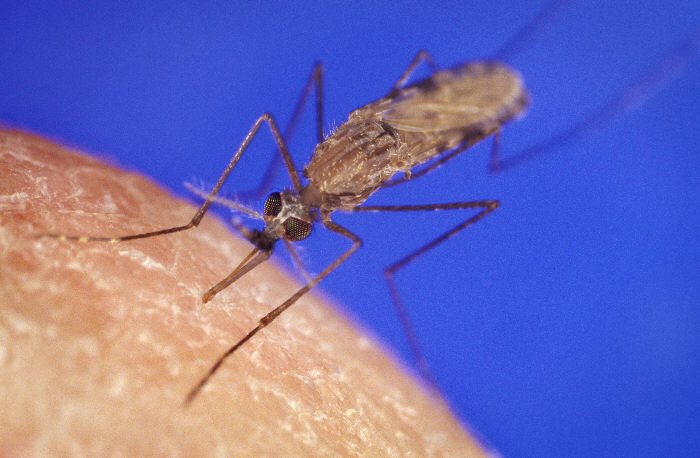
Gene editing techniques have opened the way to a new world of innovations. One of them is the potential eradication of malaria-carrying mosquitoes. What appears as a very attractive way to help with malaria eradication is denounced by civil society groups arguing that the technology is in its infancy. Wiping out entire species could have unforeseen environmental, health, and social consequences, they say. They are calling for a moratorium preventing the release of gene drive organisms in the wild. They also describe the gene drive mosquitoes as a Trojan horse, hiding broader interests of agricultural multinational corporations.

UN Committee Adopts ‘Landmark’ Declaration Reinforcing Peasants’ Rights To Seeds

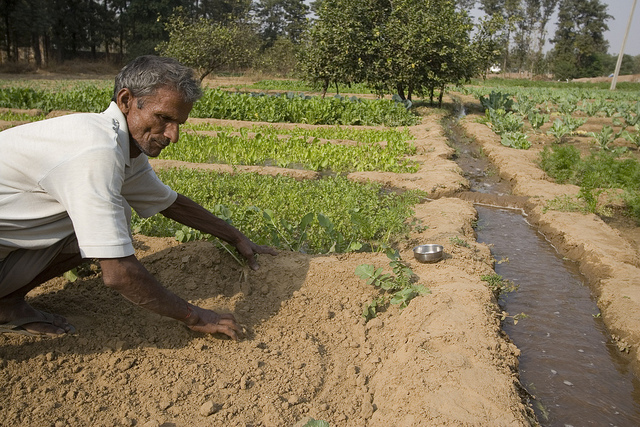
The social, humanitarian and cultural committee of the United Nations meeting this month adopted a UN Declaration on the Rights of Peasants and Other People Working in Rural Areas. The declaration includes the right to save, exchange, and sell farm-saved seeds, a contentious issue for which small farmers have been campaigning for years.

African Civil Society Outcry Over ARIPO’s Closed Decision-Making On Health And IP

As the African Regional Intellectual Property Organization (ARIPO) Administrative Council meets this week, more than 60 civil society groups are calling for greater inclusion and more transparency on access to medicines and diagnostics. Signatories are asking for a review of the Harare Protocol on patents and industrial designs, and raised concern about over-reliance on advice of the United Nations intellectual property agency for decisions affecting broader public health in the region.

US Section 301 Update On China: Systematic Espionage, Plundering Of IP In US, EU, Australia, Japan

The Office of the United States Trade Representative's (USTR) latest update of its "Section 301" investigation of China's alleged theft and manipulation of US intellectual property rights, technology transfer, and trade secrets released today contains a litany of cases of China's nefarious behaviour in the US as well as Europe, Japan, Australia and elsewhere.

Convention On Biological Diversity Biennial Meeting Looks At How New Technologies Will Affect Its Objectives

Member countries of the UN Convention on Biological Diversity are meeting in Egypt for its biennial conference of the parties, and the conference of the parties of its protocol on access and benefit sharing, until the end of November. New technologies are high on the agenda of the meeting, such as synthetic biology and genetic sequence information of genetic resources, and how they will impact the convention's objectives. Delegates are also expected to discuss a potential global multilateral benefit-sharing mechanism, and criteria for international specialised instruments of access and benefit-sharing which could substitute the protocol's obligations in certain cases.

The Bumpy Road To Selection Patents In India

Namrata Chadha, of K&S Partners, a Tier 1 Indian law firm, discusses various crucial aspects relating to patenting of selection inventions in India, especially in pharmaceuticals and chemicals. Summary: The patenting of selection inventions is not plain sailing in India. The patentability of such inventions must be determined in accordance with the general provisions of the Indian Patents Act, as there is no separate provision for the same in the Act. Of the said general provisions, the assessment of inventive step and testing under section 3(d) of the Indian Patents Act can be perceived as the most critical to patentability of selected novel species. Additionally, the concepts of ‘implicit disclosure’ and the contrasting views on ‘coverage vs disclosure’ frequently makes it challenging for applicants to defend their novel selection under the Indian scenario. Given the lack of enough precedents in India on this aspect, to date the fate of selection patents depends mostly on the judgement of the patent controllers. Not all hope is lost, however, since not only the Indian Patent Office, but also the IPAB and higher Courts have time-and-again acknowledged the existence of selection patents in India.

A Look At The Proposed EU IP Exception To Promote Generic, Biosimilar Industry Competitiveness

The European Commission has proposed an exception to the extended period of patent protection that the European Union provides to original drug manufacturers for certain products, in order to boost the competitiveness of EU generic and biosimilar industries in global markets. The exception will allow EU generic and biosimilar companies to manufacture protected drugs for export during this patent extension period. Stakeholders are so far unhappy with the exception. Meanwhile, studies analyse its potential economic impacts and legal implications, and the Commission remains confident that safeguards it is putting in place will keep the lower-priced medicines from making their way back into the EU.