Category English

“The People’s Prescription”: New Report Calls For Value Creation Instead Of Value Extraction In Pharmaceutical R&D
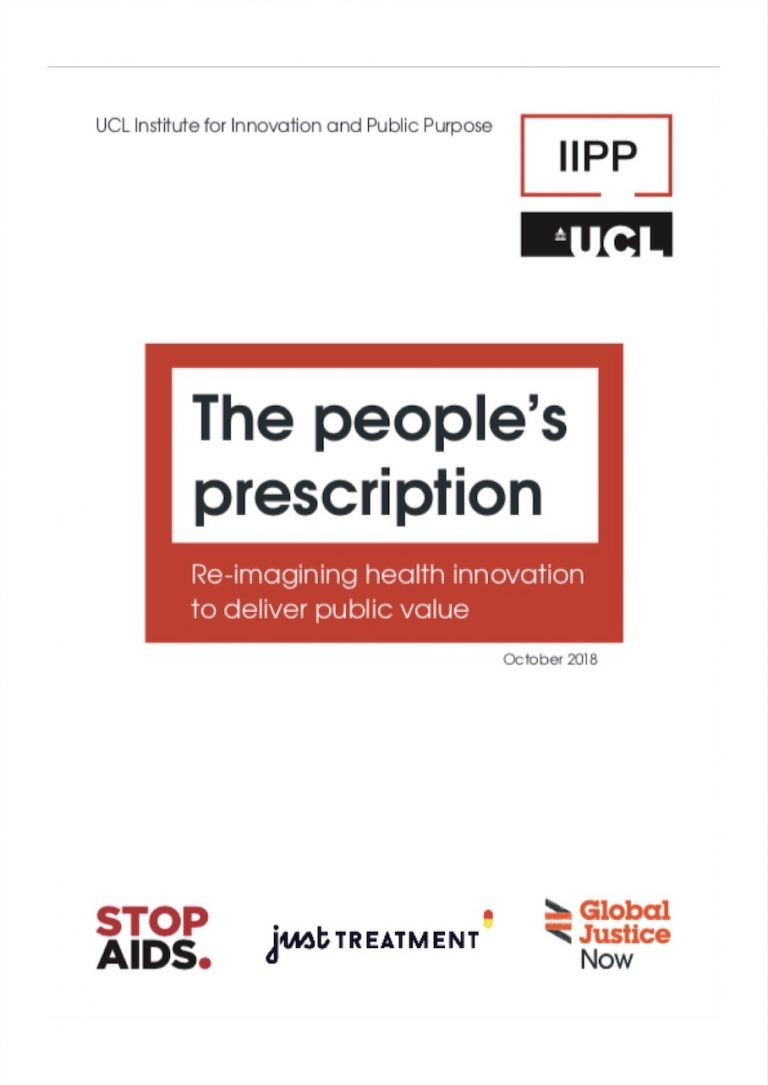
A new report, “The People's Prescription: Re-imagining health innovation to deliver public value,” calls for restructuring research and development innovation systems to create, rather than extract, value. It also calls for long-term “mission-oriented” public investment, and a public return on this investment.

Microsoft Joins Open Invention Network In A “Nice Validation” Of Open Source Movement

Tech giant Microsoft’s 10 October announcement that it will participate in the Open Invention Network is a “nice validation” of the organisation and a pragmatic acknowledgement that the open source software community is interdependent, CEO Keith Bergelt said in an 11 October interview. Microsoft said its decision to join reflects its changing views on patent practice.

US Music Modernization Act Becomes “The Law Of The Land”; A Boost For Songwriter Compensation

The Music Modernization Act, legislation that will transform the music licensing framework in the United States, was signed into law by President Donald Trump during a ceremony at the White House on 11 October that included several artists such as Sam Moore from Sam & Dave, Kid Rock, Mike Love of the Beach Boys and Jeff Baxter of the Doobie Brothers and Steely Dan, among others.

Trade Agreements Making Rules In New Technologies, Territoriality An Issue For IP In Digital Age

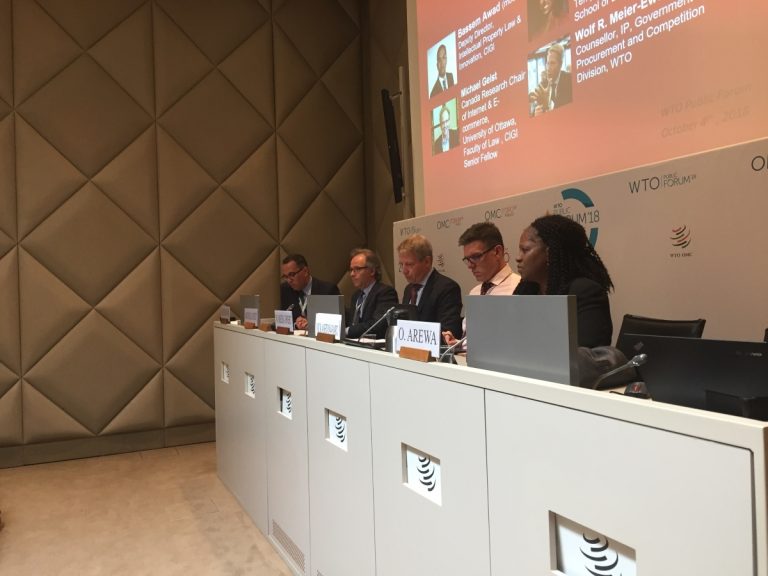
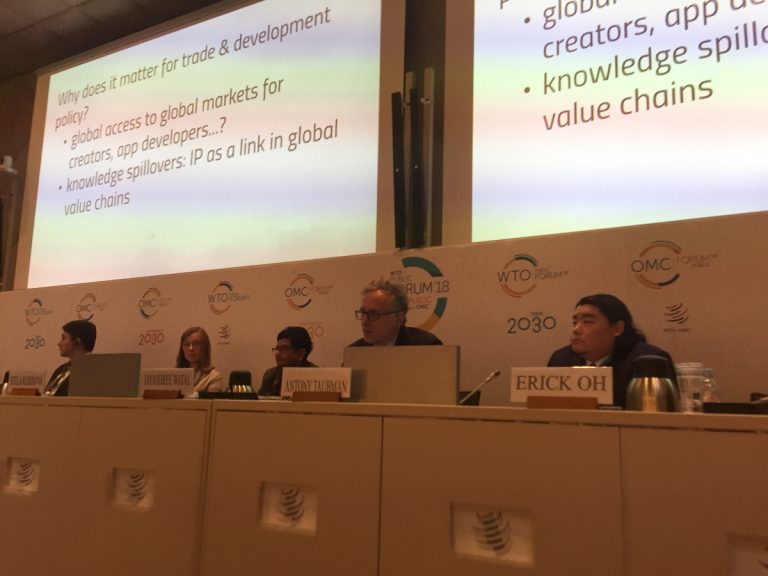
As new technologies have pervaded society, with more to come, policymaking has become a difficult exercise. Rules established before those game-changing technologies might be outdated. A session at the World Trade Organization Public Forum last week looked at how intellectual property rules are faring in the time of digital technologies. Speakers remarked on the role of regional trade agreements in norm-setting, and the growing issue of the territoriality of rights for copyright.

IP Rights Increasingly Traded In New Digital Age, WTO Panel, Report Say

The digital revolution has transformed the way trade is taking place. The share of goods like CDs, books and newspaper is dropping in terms of global trade volume, pushed down by digital goods. In that context, intellectual property rights are also increasingly traded, in particular IP licences, in what a World Trade Organization official defined as a major phenomenon. While the United States is the leader in the digital market, China took pole position in video games in 2017.

EU Updates Customs Action Plan To Fight Growing IPR Infringements

Concerned by the ever-increasing influx of counterfeit and pirated goods into Europe, European Union member states on 9 October backed a new customs action plan for 2018-2022. The first step will be a roadmap for implementation from the European Commission (EC) by next spring.

WIPO’s Coordination Committee Seats And The Election For Next Director General

Developing country members are asking to have more representation in the World Intellectual Property Organization governing bodies, and the issue is taking on increased importance as one of the committees will play a key role in the election of the next WIPO director general in 2020.

Broadcasters Eager For Global Signal Protection; Others Warn Of Major Players Sneaking In

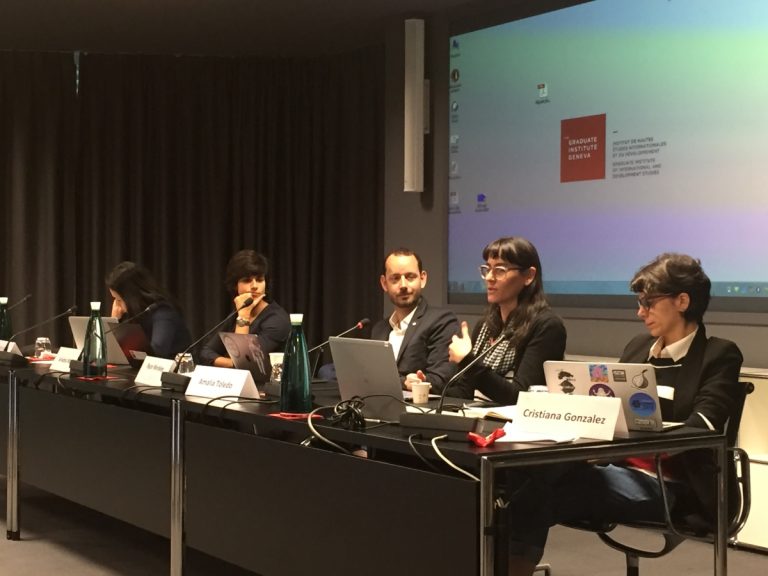
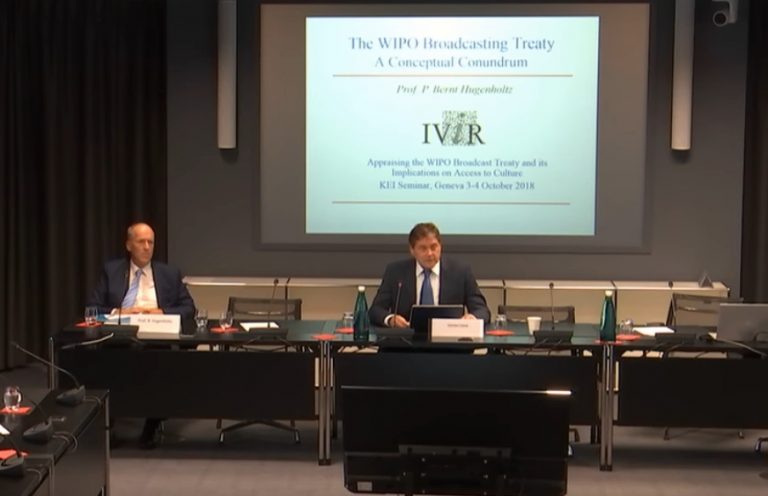
The so-called broadcasting treaty being negotiated at the World Intellectual Property Organization is supported by broadcasters’ organisations in the hope that it will stanch signal piracy. Some voices however, warn about creating a right that might be captured by large internet corporations such as Facebook, Google and Netflix, which can be a stone’s throw away from acquiring radio or television channels to qualify for the protection of the potential treaty. They also challenge the duration and scope of the protection. A seminar gathering stakeholders last week looked at implications of the treaty.

WIPO Broadcasting Treaty Unfit For Needs, Might Jeopardize Access To Culture, Scholar Says

World Intellectual Property Organisation delegates have been negotiating a treaty aimed at protecting broadcasting organisations against signal piracy without success for the last two decades but has started to show signs of movement at the UN agency. A seminar held by a civil society group last week explored the potential implications of such a treaty on access to culture. At the event, a well-known copyright specialist argued that the current draft treaty being discussed, intended to update a 1961 treaty, does not take into consideration changes that took place since then, and in particular the transformation of broadcasting in the digital age.