Category English

Indonesia, Cuba Do Not Appeal WTO Plain-Packaging Ruling

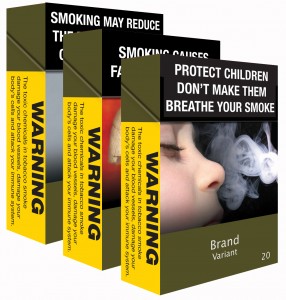
The governments of Cuba and Indonesia today chose not to appeal a June ruling at the World Trade Organization that upheld Australia's law requiring tobacco products sold in the country to be packaged without logos or other trademarked designs. That leaves Honduras and the Dominican Republic alone in their appeals of the decision.

USTR: Mexico Agrees To Raise IP Enforcement Standards With The US

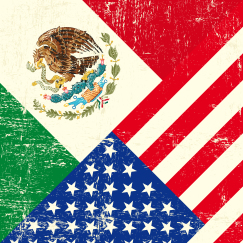
Mexico and the United States have reached a preliminary agreement to raise standards of enforcement of intellectual property rights, according to the Office of the US Trade Representative (USTR). Among the terms, the agreement appears to toughen requirements for internet service providers in protecting against copyright theft and extend copyright terms, and might make it harder for Mexico to agree elsewhere to strengthen its protection of geographical indications.

WIPO Traditional Knowledge Committee Begins Work On Core Issues; Indigenous Peoples May Be Left Out

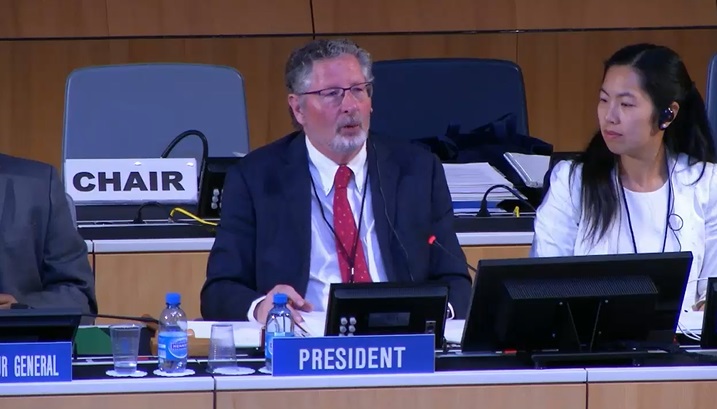
The World Intellectual Property Organization’s committee seeking to find solutions against misappropriation of traditional knowledge opened this morning. While delegates are expected to negotiate wording of a potential treaty, the fund allowing indigenous peoples to participate in the discussions is empty with no foreseeable new donors, described by the chair as a historical situation. The committee is also trying to agree on recommendations for the upcoming WIPO General Assembly next month. On core issues, such as what the protection should cover, who would benefit from it, and under which conditions, delegates still have to find common positions.

New Dutch Foundation To Address High Medicines Pricing Announces Plan To File Complaint With Competition Authority

The newly established Dutch Pharmaceutical Accountability Foundation has announced its first action to address unreasonably high medicines prices in the Netherlands. The Foundation will request the Netherlands Authority for Consumers and Markets to look into the price hike for the medicine chenodeoxycholic acid (CDCA) by the company Leadiant Biosciences Ltd (formerly Sigma-Tau). CDCA is used for the treatment of children and adults with cerebrotendinous xanthomatosis (CTX), a rare genetic metabolic disease that affects around 60 people in the Netherlands.

Dominican Republic Appeals WTO Plain Packaging Decision

The Dominican Republic has followed Honduras in appealing a decision by a World Trade Organization dispute settlement panel that found Australia's tobacco plain packaging law to be allowable under WTO rules. Cuba and Indonesia also had cases against Australia but so far have not appealed.

Negotiators On UN TB Resolution May Have A Deal

NEW YORK – Negotiators for a United Nations declaration on tuberculosis, meeting intensively in New York this week, may have reached agreement today on a key sticking point related to intellectual property, innovation and access to new medicines, according to sources. An agreement, if accepted by other delegations, could allow the text to proceed to the high-profile High-Level Meeting scheduled to take place at the UN General Assembly next month.

USPTO Seeks Comments On Draft Strategic Plan 2018-2022

The United States Patent and Trademark Office (USPTO) is seeking comments on its draft strategic plan for the years 2018-2022. The draft plan covers a range of goals, including optimizing patent and trademark quality and timeliness, and providing "domestic and global leadership to improve intellectual property policy, enforcement, and protection worldwide."

Civil Society And TRIPS Flexibilities Series – Translations Now Available

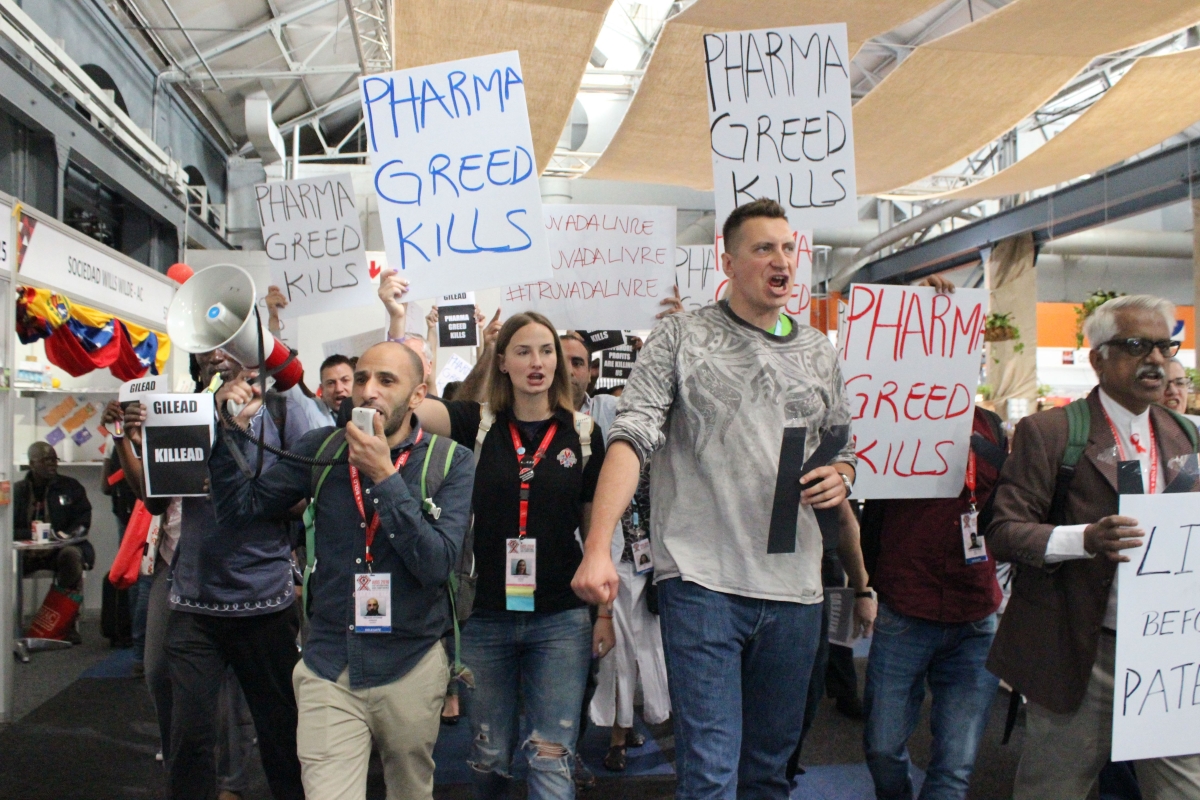
Patients around the world, in developing and developed countries, are encountering barriers to access to affordable medical products, in part due to patents and resulting high prices. This is occurring despite longstanding protections built into international trade rules to allow smaller economies to act on behalf of their people and make such medical products available regardless of patents. These protections are often referred to as flexibilities in the 1994 World Trade Organization Agreement on Trade-Related Aspects of Intellectual Property Rights (TRIPS). The prevailing view is that knowledge, understanding and use of them remains limited among policymakers and many potential beneficiaries, even as patent-strong nations and their industries work to narrow the reach and ability to use these flexibilities. In the face of this, global civil society in recent years have increasingly begun work to change the direction of this trend, with the ultimate goal of helping people everywhere - but particularly poor populations - obtain drugs they need that exist but are out of their reach. Now, the series of Intellectual Property Watch stories on this subject sponsored by Make Medicines Affordable have been translated into five languages.

O papel da sociedade civil na implementação das flexibilidades do Acordo TRIPS

Quando o acordo sobre propriedade intelectual foi adotado pela Organização Mundial do Comércio (OMC), foram incluídas algumas flexibilidades, principalmente para dar aos países em desenvolvimento um espaço político para implementar o acordo levando em consideração preocupações com o desenvolvimento. No entanto, alguns países, devido à falta de conscientização ou por pressões políticas e econômica, não utilizaram plenamente essas flexibilidades e enfrentam dificuldades para atender às suas necessidades de saúde pública, o que alguns associam a essa incapacidade de usar as flexibilidades. A sociedade civil tem desenvolvido esforços importantes para conter tais pressões e conscientizar os formuladores de políticas no sentido de garantir mais acesso aos medicamentos.