Category Trademarks/Geographical Indications/Domains

New Draft Work Programme On GIs At WIPO; Industrial Design Pushed To General Assembly
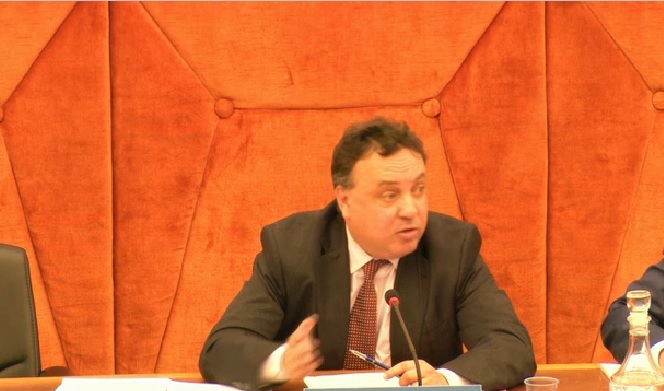
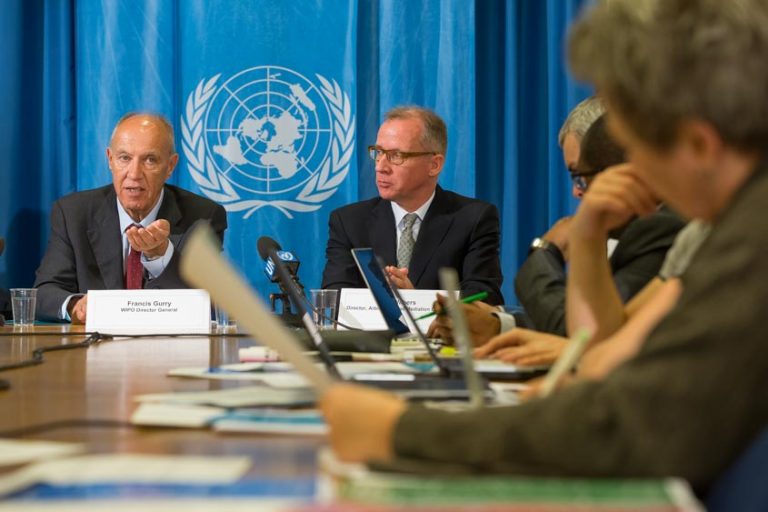
A tentative way to continue conversing about geographical indications (GIs) at the World Intellectual Property Organization committee on trademarks and GIs was tabled by the committee chair today. The suggested approach includes a questionnaire to member states on the different ways GIs are addressed by national and regional systems. Meanwhile, a potential design law treaty was pushed off to the next WIPO General Assembly, held in autumn.

Developing Countries Weigh Restarting Talks For TRIPS Amendment On Biological Resources

NEW DELHI, India -- Biopiracy is ongoing in many developing countries, and as long as there are no international obligations for patent applicants to disclose the origin of the genetic resources or traditional knowledge they use, the issue will endure, according to speakers at a recent conference in New Delhi. The broken conversation at the World Trade Organization needs to be rekindled so that an international regime of protection is set up, they said.

Large Amount Of Consumer Tech Is Counterfeit, OECD Report Finds

Nearly 20 percent of mobile phones and 25 percent of video game consoles sold internationally are counterfeit, and the numbers are rising, according to a report by the Organisation for Economic Cooperation and Development (OECD).

Country Names As IP, Geographical Indications, Industrial Designs At WIPO Next Week

What can you do if you are a country and a private company has registered your name as a trademark, preventing even your own companies from using your name? The issue is expected to be discussed at next week’s World Intellectual Property Organization's committee on trademarks. The meeting also includes a special session illustrating practices of national and regional protection of geographical indications. However, the question remains whether or not delegates will discuss a draft treaty text on industrial designs, after that conversation was pushed back in the fall.

The Changing Perspective Of Well-Known Trademarks In India

The innovative advertisements of famous trademarks we come across remind us of the image they have created in our minds and the quality of the respective products or services they reflect. Millions are spent by the owners of such marks to build their reputation and maintain their popularity in this competitive globalised world.

UN Development Programme Calls For Reform Of IP And Investor Protection Regimes

A United Nations Development Programme report released today places importance on transforming global institutions, and establishing fair trade and investment rules. The report calls for global reform of the intellectual property rights regime and investor protection regime. In addition, the report ranks countries on their human development level, putting Norway first followed by Australia and Switzerland.

Intellectual Property: A Very Short Introduction, New From Oxford University Press

In Intellectual Property: A Very Short Introduction, by Siva Vaidhyanathan, readers are introduced to the basics of intellectual property, framed in a way that illustrates how intellectual property both shapes and is shaped by larger economic, political and social contexts.

Brazilian Legend Celso Amorim Recounts Negotiation For TRIPS Flexibilities

Minister Celso Amorim of Brazil has had a significant impact on the state of global negotiations in his professional lifetime, including on global intellectual property rights.

WIPO: China Soon To Overtake US In Patent Filings; Cybersquatting Climbs To New Record

It’s a question of when, not if, that China will overtake the United Sates as the largest user of international patent systems, says the World Intellectual Property Organization, which has also announced a record number of “cybersquatting” cases.

Social Media Providers Could Face Stiff Punishment For Hate Speech, Fake News In Germany

German Justice Minister Heiko Maas today presented draft legislation to whack social media providers for what the minister described as reluctance to take down hate speech and fake news.