Category Patents/Designs/Trade Secrets

South Africa Approves New IP Policy, With Guidance From UN Agencies

It took nine years of policy development, two different draft policies and various rounds of public consultation, to finally see Cabinet give the nod to the new Intellectual Property (IP) policy in South Africa.

Global Health Policymakers Take Action To Improve Access To Assistive Products

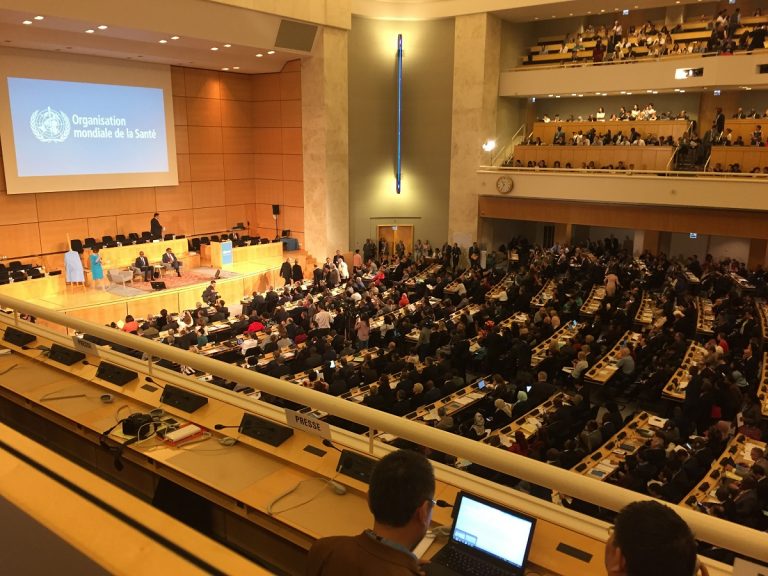
Some 90 percent of people in the world who need assistive technology – such as glasses, walkers, or hearing aids - cannot access it, with the worst deficiency in developing countries. Today, World Health Organization members agreed on a resolution to improve access to those technologies, with overwhelming support. The WHO is instructed to provide support to countries and prepare a global report by 2021. Member states are requested to promote innovation and find ways to reduce prices.

WHA Agrees On Recommendations To Reinvigorate Plan Of Action To Boost R&D, Access

Ten years after the adoption of a World Health Organization plan of action meant to stimulate innovation for diseases that disproportionately affect developing countries, and with very little to show for it since, delegates at the World Health Assembly this week agreed to a number of recommendations to reinvigorate the effort. How to finance the implementation of those recommendations, however, is unclear.

Ingredients For WHO Roadmap On Access To Medicines At Civil Society Side Event

On the side of this week’s World Health Assembly and hours before the Assembly agreed on preparing a roadmap on access to medicines, two civil society groups held an event on the same subject. The Brazilian ambassador, a senior official from the Netherlands, and a WHO assistant director general among others delivered their thoughts on the issue and the way forward. Key words were high prices, transparency, and trade flexibilities.

WHA Agrees On Drafting Of Roadmap For Access To Medicines And Vaccines; US Blasts Compulsory Licences

The World Health Assembly yesterday agreed on a roadmap to be designed by the World Health Organization in consultation with member states to facilitate access to medicines and vaccines, including actions and activities for the period 2019-2023. If everyone agrees access to medicines and vaccines is indispensable for universal health coverage, views are still divided when it comes to intellectual property rights. The ranks of strong proponents of IP resulting in high prices are however thinning. The United States remains unshakeable, criticising compulsory licences used by countries to ensure affordable medicines are available.

50 Years Of Global Health Progress – Interview With IFPMA Head Thomas Cueni

Dr Tedros Adhanom Ghebreyesus, WHO Director-General in his inaugural speech at the World Health Assembly this week, explained that partnerships are a key strategy for the WHO to ensuring healthy lives and promoting well-being for all at all ages. He added that the WHO is engaging with the private sector as a crucial partner in achieving health for all. Thomas Cueni, IFPMA’s Director General, in an interview with Health Policy Watch on the occasion of the IFPMA’s 50-year anniversary, explains how the research-based biopharmaceutical industry together with IFPMA have contributed to the huge strides in health progress over 50 years. He explains the major leaps forward, setbacks and mistakes, as well as how industry is part of the solution, as "do-ers" and partners in global health progress. Cueni also talks about pricing and cost of R&D.


World Health Assembly Begins Discussion On Access To Medicines

On the second day of this week's annual World Health Assembly, delegates began discussing the issue of “shortages of, and access to, medicines and vaccines.” It is generally held that access to safe, efficacious, and affordable medicines is of paramount importance to achieve the United Nations Sustainable Development Goals by 2030, but there seems to be no expeditious solution, and no lack of divergent views on how to get there.

O Paradoxo Das Patentes No Brasil E Suas Implicações Para O Acesso A Medicamentos

O sistema de patentes foi supostamente projetado para permitir a recuperação do investimento em pesquisa e desenvolvimento (P&D) de um novo produto, através da venda sob exclusividade por um período de tempo. Vários estudos relacionaram preços altos de medicamentos à situação de monopólio estabelecida pelo sistema de patentes e outros direitos de monopólio (como a exclusividade de dados). É bastante estabelecido que a existência de uma patente pode levar a preços altos devido à condição de mercado em que um produtor pode operar com exclusividade. Vários estudos relacionaram preços elevados de medicamentos à situação de monopólio estabelecida pelo sistema de patentes e outros direitos de monopólio (como a exclusividade de dados). Na ausência de concorrência, um produtor pode cobrar praticamente qualquer preço pelo seu produto. A concorrência, portanto, pode promover uma redução significativa de preços e aumentar o acesso.