Category Patents/Designs/Trade Secrets

Disclosure, Sanctions – Still To Be Overcome In WIPO Genetic Resources Negotiations

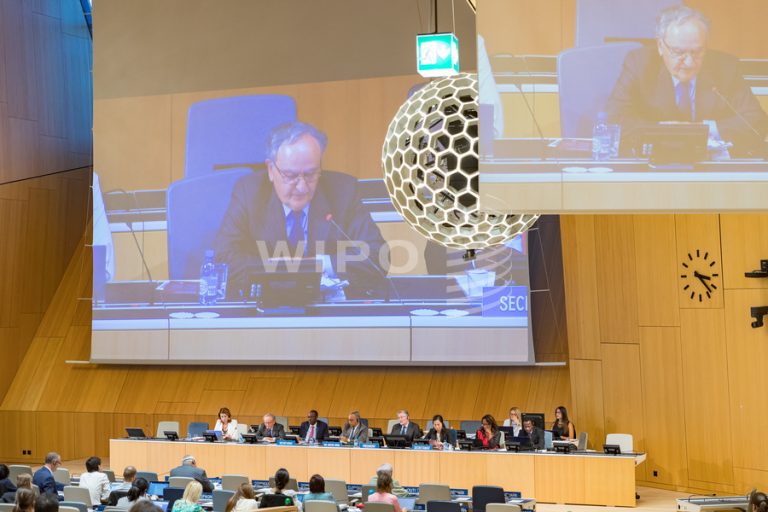
Efforts to draft new language to bridge gaps in this week’s negotiations on a potential treaty protecting genetic resources at the World Intellectual Property Organization were praised by a number of participants. However, what is now presented as a "package" proposition, focusing the instrument on patents, left some developing countries with the feeling that the concessions they made on the patent-only focus are not being met with a similar efforts by others, in particular on a proposed disclosure requirement for patent applicants.

Indigenous Knowledge Databases: Is It Something To Be Concerned About?

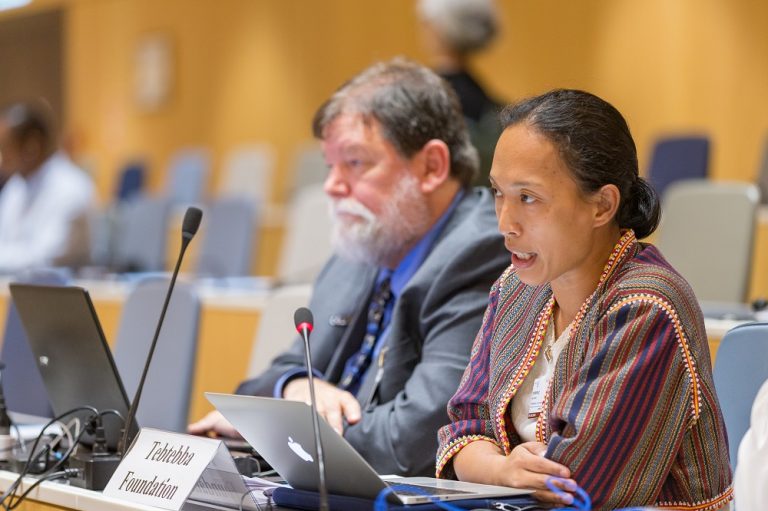
Almost all information today ends up in a database. It is organised and made readily accessible. While it sounds positive, for indigenous communities, it can be crucial. Databases of their knowledge, culture, and genetic resources, if misused, can undermine generations of community effort and maybe even their sustainability. A panel of indigenous peoples’ representatives presented their concerns about databases this week to governments attending a World Intellectual Property Organization meeting on genetic resources.

WIPO Genetic Resources Expert Group Ponders Disclosure Requirement, Databases

On the eve of this week's meeting of a World Intellectual Property Organization committee on genetic resources, an expert group met behind closed doors to discuss some of the more difficult issues. The report of the expert group to the full committee on 25 June confirmed differences but also common views and avenues to be explored, and has been carried into the week.

US Raises Economic Concerns About Proposals At WIPO On Patents And Genetic Resources

Normally known for sanguine views of rules to strengthen intellectual property rights globally, the United States government this week submitted a paper at the World Intellectual Property Organization putting forward private sector economic concerns about proposals to strengthen international rules for patenting of genetic resources aimed largely at helping developing countries.

US ITC Not Keeping Pace With Digital Revolution, New Report Argues

The rapid rise of digital technology in the twenty-first century places new demands on intellectual property protections, while presenting new challenges. A new report suggests that a leading US agency that investigates patent infringement may need to be updated to keep up.

Expert Group Meets Ahead Of This Week’s WIPO Genetic Resources Negotiations

An expert group is meeting Sunday at the World Intellectual Property Organization, on the eve of a weeklong session of the WIPO committee on genetic resources and traditional knowledge. The expert group will address the most divisive issues in the discussions of the committee in charge of finding solutions to protect genetic resources, traditional knowledge and folklore against misuse and misappropriation.

On Questionable Legal Basis, US Court Expands Range Of Patentable Inventions

For more than a decade, the United States has been making it harder to obtain patents. A series of court rulings have steadily restricted the types of inventions that are patent-eligible. The tide, however, may be now turning. The Federal Circuit’s recent decision in Vanda Pharmaceuticals v. West-Ward Pharmaceuticals has opened the way to many future patents on biotech and personalized medicine. The ruling is a big step forward for the biotech and medical industries, and perhaps for patients seeking better medical care. But there’s a catch. Vanda could be overturned because it conflicts with the US Supreme Court’s 2012 decision in Mayo Collaborative Services v. Prometheus Laboratories.

The Myth Of IP Incentives For All Nations – Q&A With Carlos Correa

Dr Carlos Maria Correa, an Argentinian economist and lawyer, is globally renowned for his expertise on international trade, intellectual property, health, technology transfer, investment policy and especially their impact on developing countries. He has authored several books and academic articles and been a visiting professor at several universities. Additionally, he has consulted with many United Nations agencies, the World Bank, and other regional and international organisations and has advised several governments on intellectual property, innovation policy and public health. Correa was a member of the UK Commission on Intellectual Property, of the Commission on Intellectual Property, Innovation and Public Health established by the World Health Assembly and of the FAO Panel of Eminent Experts on Ethics in Food and Agriculture.

Currently, he is the Director of the Centre for Interdisciplinary Studies on Industrial Property and Economics Law, at the University of Buenos Aires. He takes over as the Executive Director of the Secretariat of the Geneva-based South Centre from 1 July 2018. Correa recently engaged in an interview with Patralekha Chatterjee for Intellectual Property Watch. [Note: this interview is number two of two. The first was with Dr Othoman Mellouk.]

WIPO Workshop Looks At Potential Impact Of Reducing Patent Fees For Universities

The World Intellectual Property Organization's main financial resource is from the global patent treaty it manages, allowing inventors to file international patent applications and gain protection in a large number of countries. WIPO members have been debating for some time whether universities should benefit from a fee reduction, in particular those from developing countries to encourage patent filing. A workshop held at WIPO this week pondered whether a fee reduction would lead to more patenting of inventions by universities. The answer is apparently not clear-cut.