Category IP Policies

US Imposes USD 50B In Tariffs On China For Forced IP/Tech Practices, Cybertheft

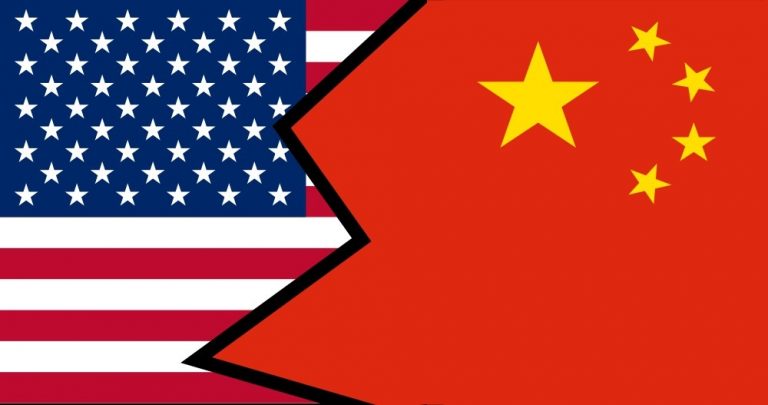
The United States today released a list of products imported from China to the US on which additional tariffs will be placed as a measure aimed at pressuring China to change its practices the US says force US companies to give up intellectual property and transfer technology. Some industries have been dropped from the list such as pharmaceuticals, while a second list has now been announced, officials told reporters this morning.

World’s 5 Largest IP Offices Name Artificial Intelligence A Top Strategic Priority

The heads of the patent offices of China, Europe, Korea, Japan and the United States met today and declared artificial intelligence one of the top strategic priorities for them as a group. Other efforts included work on harmonising patent practices, the Global Dossier program, classification of new technologies, and patents and standards, according to a release.

European Commission Appoints Artificial Intelligence Expert Group, Launches AI Alliance

The European Commission appointed 52 experts today to a new High-Level Expert Group on Artificial Intelligence, and also launched the AI Alliance, an online forum to facilitate broad participation in dialogue on the burgeoning technology.

Countries Discuss Prospect Of Plurilateral Agreement On Genetic Resources Protection

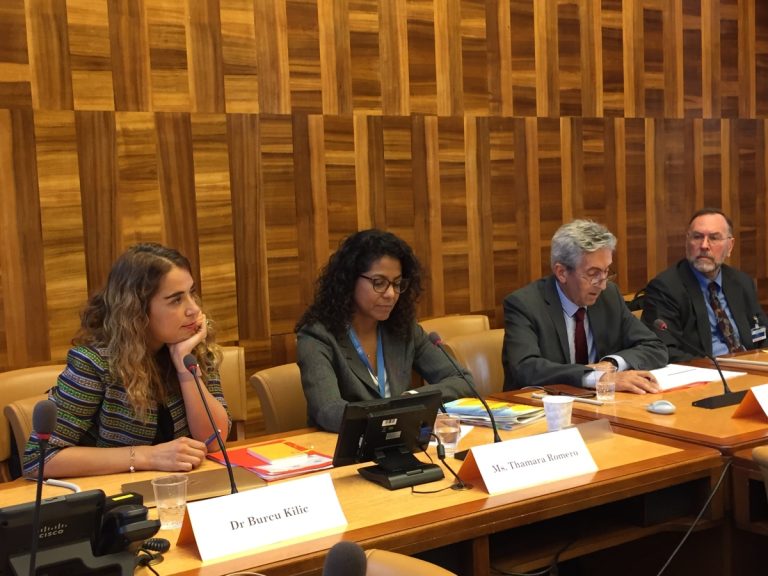
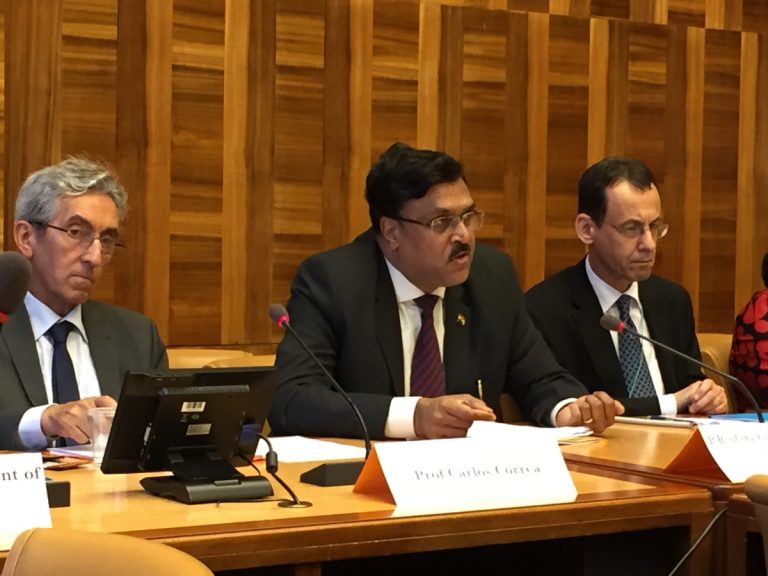
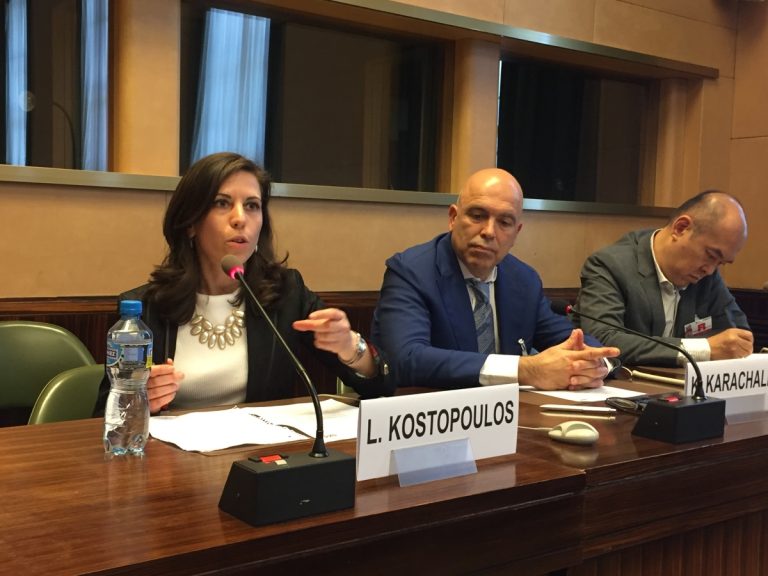
Faced with a longstanding lack of progress at the World Trade Organization and the World Intellectual Property Organization on the protection of genetic resources and traditional knowledge, some developing countries are examining the possibility of moving outside the multilateral system toward a plurilateral agreement with like-minded countries. During an international conference last week, panellists pondered the prospects of such an option.

Indigenous Peoples Seek Involvement In WTO To Defend Rights (Video)

Indigenous peoples are losing their genetic resources and traditional knowledge and need to be involved in negotiations on World Trade Organization intellectual property rules and the UN Convention on Biological Diversity, representatives told a conference on the subject last week. In a podcast and video interview with Intellectual Property Watch below, the indigenous representatives explain their case.

Former Munich Mayor Warns Against Negative Effects Of City’s Re-Migration To Microsoft

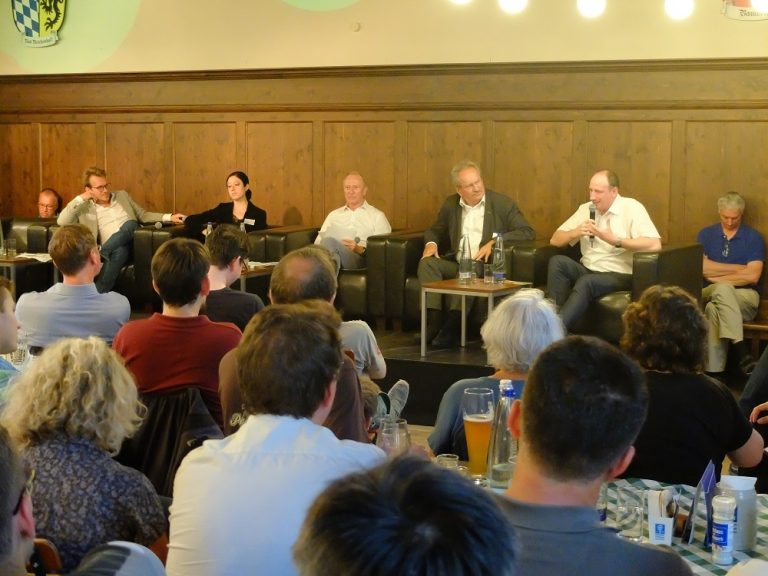
The former mayor of Munich, Christian Ude (Social Democratic Party), clashed with the new head of IT of the Bavarian capital over the city's re-migration from Linux to Microsoft at an event organised by the Green Party yesterday.

En finir avec l’accès aux ressources génétiques sans autorisation (c’est-à-dire avec la biopiraterie): « l’ouverture limitée »

L' « accès aux ressources génétiques » et le « partage juste et équitable des avantages découlant de leur utilisation » s’est révelé un véritable casse-tête pour l’ensemble des 13 Conférences des Parties à la Convention des Nations Unies sur la Diversité Biologique (CDB). La formule, entre guillemets, qu’on désigne par l’acronyme « APA », se réfère au troisième objectif de la Convention, lequel est étroitement liée aux deux premiers, à savoir la conservation et l’utilisation durable de ces ressources. Malgré 25 années consécutives d’efforts et dans un contexte où le marché de la biotechnologie représente, annuellement, un trillion de dollars, peu d’accords APA ont été conclus jusqu’ici. Les bénéfices monétaires des quelques contrats existants sont si faibles que les contractants répugnent à les dévoiler. La « législation APA brésilienne » de 2015, qui est entrée en vigueur le 6 novembre 2017, permet par exemple d’offrir des royalties jusqu’à un dixième de pour cent du chiffre d’affaire. Selon les termes d’un éminent juriste: « les usagers paient des cacachuètes pour se servir de la biodiversité ».

Major Emerging Economies Push To Revive Discussions On Genetic Resources Misappropriation At WTO

Efforts by developing countries to prevent the misappropriation of genetic resources and traditional knowledge have thus far been fruitless at the World Trade Organization. In particular, discussion on the relationship between the rules of the Nagoya Protocol on access and benefit-sharing and the intellectual property trade rules are going nowhere. In this context, India, supported by other major developing nations, initiated a two-day conference recently in order to look at ways to unlock the situation.

Experts To Regulators: AI Is A Panacea – With Hidden Dangers To Humanity

The heads of national telecommunications and technology regulatory authorities are gathering next month at the International Telecommunication Union to address new technologies. Not surprisingly, artificial intelligence and data hold centre stage in the programme. The meeting comes after a recent event at the United Nations where divergent voices recognised the potential beneficial uses of new technology, but warned against the undeclared intentions behind it. Separately, a new study from the Massachusetts Institute of Technology shows the influence of data in machine learning algorithms with chilling consequences.

Pondo termo ao acesso não autorizado aos recursos genéticos (quer dizer, biopirataria): acesso aberto limitado

O “acesso aos recursos genéticos” e a “participação justa e equitativa dos benefícios provenientes de sua utilização” vêm aturdindo delegados e delegações das 13 Conferências das Partes da Convenção das Nações Unidas sobre Diversidade Biológica, que entrou em vigor no ano de 1993. A expressão entre aspas conhecida pela sigla em inglês “ABS” é o terceiro objetivo do Convênio e se encontra entrelaçada pelos dois primeiros objetivos que são a conservação e o uso sustentável. Apesar de 25 anos de esforços e de uma bioeconomia de quase um trilhão de dólares, são muito poucos os contratos celebrados. Desses poucos, os benefícios monetários são tão baixos que as partes contratantes relutam em revelá-los. A “Lei brasileira de ABS” de 2015, que entrou em vigor no dia 6 de novembro de 2017 permite, por exemplo, a obtenção de royalties sobre vendas líquidas tão baixos que isso implica a celebração de contratos pela bagatela de uma décima parte de um por cento. Citando as palavras de um jurista erudito, os Usuários pagam “uma miséria pela biodiversidade”.