Category IP Policies

Brazilian Supreme Court Refuses To Judge Its Biggest Case On IP And Access To Medicines, And Benefits Big Pharma With Undue Monopolies

Marcela Fogaça Vieira and Pedro Villardi write: The Brazilian Supreme Court (STF) has mysteriously cancelled the judgment of the most important case regarding intellectual property and health ever to be decided by the court. On 28 June, the date of the judgment was set for 6 September. The cancellation occurred on the eve of the judgment, something very rare in the practice of the Court. The lack of decision on the case only benefits the transnational companies awarded with hundreds of undue monopolies. Just a few days before, the President of the STF - Judge Carmem Lucia - had a meeting with Interfarma, the association of multinational pharmaceutical companies in Brazil.

European Parliament Approves Negotiating Stance On Copyright Reform

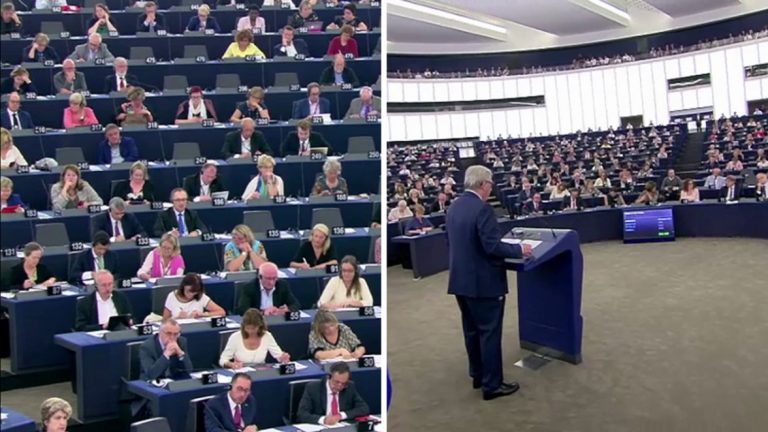
European Union lawmakers today approved by a 438-226 margin a measure updating EU copyright law and voted to begin negotiations with the European Commission (EC) and Council. The vote followed parliamentary rejection in June of plans to launch an immediate “trilogue” with the EC and Council based on text as approved by the lead Legal Affairs Committee (JURI), instead sending the measure for full debate at the September plenary held today.

Civil Society Pushes EPO To Invalidate Hepatitis C Patent

The European Patent Office is expected to hold oral proceedings later this week on a challenge filed against a Gilead patent on hepatitis C treatment. Invalidation of the patent would open the way to competition and lower prices, according to civil society groups which initiated the challenge. But according to an EPO source, the company is seeking at most an amendment to the patent.

European Commission Moves On Adoption Of WIPO GI Treaty; Timeframe Uncertain

Over two years after a group of World Intellectual Property Organization members adopted a treaty on the protection of geographical indications, the European Commission has recommended that the European Union join the treaty. The EU was one of the major proponents of the treaty. Separately, a geographical indications industry group is urging EU attention to be placed on the need for legal certainty after the exit of the United Kingdom from the EU.

Shhh … UN Declaration On Tuberculosis Draft Text Out For Approval

Negotiators' agreed draft text for a United Nations political declaration on ending tuberculosis worldwide has been posted for all member states to see, and negotiators hope, not comment on. Under a UN procedure, the text has been placed "under silence" until 10:00am New York time on 14 September. If no one breaks the silence, the text is considered agreed and will advance to the High-Level Meeting on tuberculosis on 26 September as part of the annual UN General Assembly.

Should The WIPO Director General Fly First Class?

There are often big issues at stake at the global center for international intellectual property policy in Geneva, but sometimes, the nearly 200 governments that direct the UN World Intellectual Property Organization have to ask themselves questions like, should the director general of WIPO get to fly around the world first-class? Turns out, the answers can vary, but for now, he can carry on.

Welcoming People In Fresh Roles In The IP Community

Looking at movements in the global IP community over the summer and heading into fall, many old faces among the government delegations in Geneva left for new posts, while a new set of faces is taking up residence. Meanwhile, people are on the move at international organisations and NGOs, and law firms continued to see high turnover.

WIPO Sale Of Madrid Union Real Estate In Geneva Comes Under Scrutiny

The UN World Intellectual Property Organization's 7 million Swiss franc sale early this year of a building providing revenue to the Madrid Union on trademarks is being looked at more carefully this week after being flagged by the WIPO external auditor. Meanwhile, WIPO members are considering a recommendation to raise fees on international trademark registration for the first time in 20 years.

Extended Monopolies On Biologic Drugs – A Warning To Developing Countries

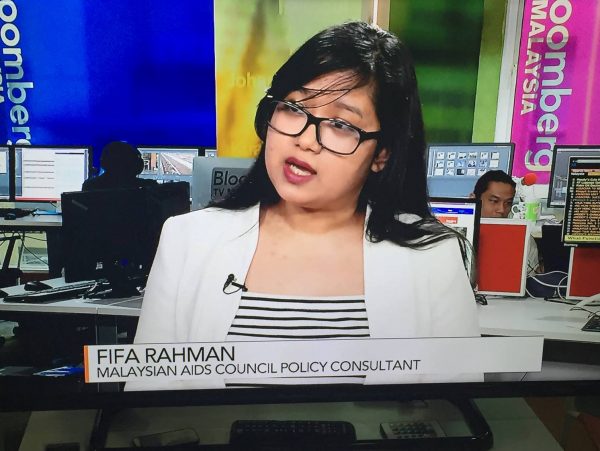
Fifa Rahman

Historically, the US has been the primary demandeur of maximalist IP norms in FTAs. Pharmaceutical IP is market-driven, and this is no different for biologic drugs, which dominate the list of bestselling drugs worldwide, making them important economic commodities. Developing country governments must take note of the US pushing for biologics exclusivity through NAFTA as this signifies an effort to change norms worldwide.

WIPO Looks To Diversify Its Revenue Sources From High Dependence On PCT

The World Intellectual Property Organization Program and Budget Committee (PBC), a key member-state body at the UN agency, today opened a week of work on a range of issues. Opening the meeting, WIPO Director General Francis Gurry highlighted the positive financial status of the organisation but cautioned that external factors could make it risky to continue its heavy dependence on the popular Patent Cooperation Treaty.