Category Copyright Policy

To Print Or Not To Print: Innovation And IP Issues In 3D Printing

3D printing used to be an expensive product design tool, but it is quickly becoming an affordable and accessible technology. First emerging in the 1980s, the availability of low-cost, high-performance 3D printers has put the technology firmly within reach of consumers. While this provides a number of opportunities for designers and manufacturers, there is also concern around the impact on IP rights, writes Jia Li.


Without Understanding What Traditional Knowledge Is, We Cannot Utilize It Appropriately

KAMPALA, Uganda -- For a long time, traditional knowledge and traditional cultural expressions were timidly recognised as intellectual efforts worthy of legal protection. Of recent, indigenous peoples, local communities, and some governments have demanded the recognition of traditional forms of creativity and innovation as protectable intellectual property.

USTR Puts IP Focus In Digital Trade In NAFTA Renegotiation Objectives

In its newly issued objectives for renegotiation of the North American Free Trade Agreement (NAFTA), the Office of the United States Trade Representative (USTR) has put a strong focus on protecting and exploiting intellectual property rights in the digital environment.

Arduous Discussions At WIPO For New Country/Regional Offices, No Winners Yet

Attracting a World Intellectual Property Organization external office appears to be a critical priority for a number of countries that have put forward their candidacy for four possible new openings. During the WIPO Program and Budget Committee this week, some of those candidates delivered presentations highlighting their most striking assets, such as bridging continents, region, and economic blocs. But discussions could not lead to the chosen winners this week.

Intermediaries Could Be Made Liable In EU Copyright Legislation

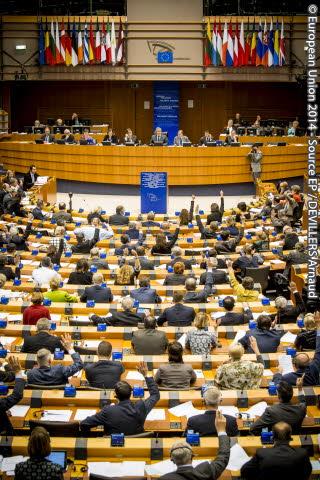
Positions on the new draft European Union Copyright Directive lie so far apart in the European Parliament that compromise before an expected October vote seems nearly impossible. Critics of a new special copyright for press publishers - and of a radical change towards holding internet intermediaries liable for what their users upload - were highly alarmed by this week’s developments in Brussels.

WIPO Budget First Reading: SDGs, External Offices, Possible Treaty Negotiation

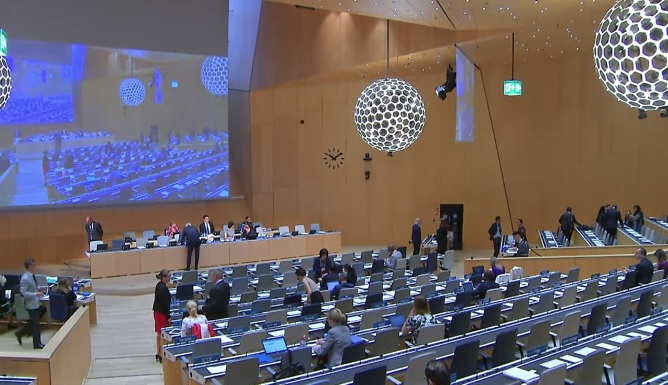
The World Intellectual Property Organization members this week have discussed the first draft of the budget of the organisation for the biennium 2018/2019. Questions have been asked about how WIPO is contributing to the United Nations Sustainable Development Goals, how much WIPO committees and external offices will cost, and how WIPO can help developing countries increase their IP development.

Lessons From South Africa: Protecting Non-Expressive Uses In Copyright Reform

Matthew Sag and Sean Flynn write: This week, the South African Parliament began accepting comments on its pending Bill proposing to amend the South African Copyright Act to align it with the digital age. We and other experts and civil society organizations submitted comments praising many of the Bill’s provisions and proposing that it adopt an “open” fair use right. Here we focus on one major reason to adopt an open fair use right – to authorize so-called non-expressive uses of works. We conclude with some reflections on how international law could help in this regard.

WIPO, A Well-Funded UN Agency, Presents Its Next Budget To Members

The finances of the World Intellectual Property Organization are healthy to say the least. The United Nations organisation, the only one able to feed its budget from user fees, shows a net result of over US$30 million. This week, WIPO member states are considering the budget for the 2018/2019 biennium, and as well which countries should be chosen to hold external WIPO offices.

G20 Reaches Agreement Against Terrorism, Appears To Target Encryption

At the G20 meeting in Hamburg today, the German hosts chose a retreat over the fight against terrorism as a warm-up, before turning to the controversial topics of free trade and climate change. Governments were very much in agreement when it comes to one thing: Internet platform providers must do more to fight radicalization and the use of the internet by terrorists.

EU Parliament Adopts Marrakesh Treaty; Blind Union Prepared To Fight Publisher ‘Compensation’

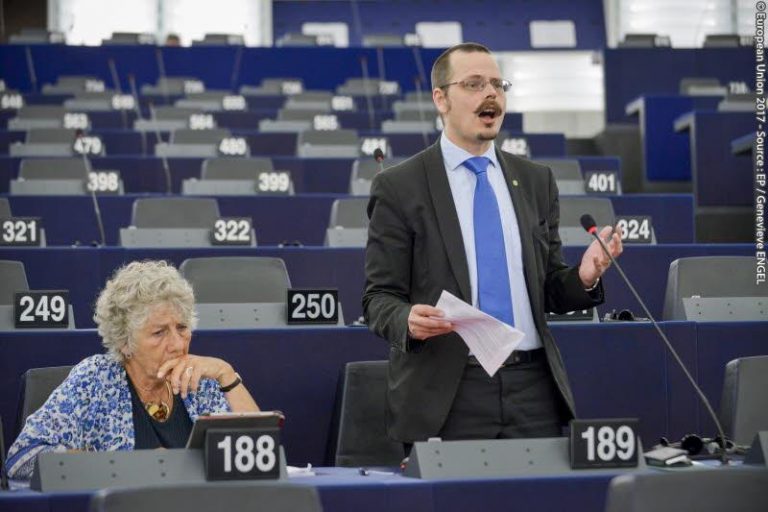
The European Parliament today with over 600 votes adopted the legal instruments to ratify the Marrakesh Treaty on access to reading material for the visually impaired. The treaty, adopted by the members of the World Intellectual Property Organization in 2013 and effective since last year, has been subject of controversies due to lobbying from publishers in the European Union, members of Parliament said today in Strasbourg before the vote. EU member states after today’s vote have one year to implement.