Category Copyright Policy

WIPO Broadcasting Treaty: What Broadcasters Really Want To Protect Their Business From Piracy

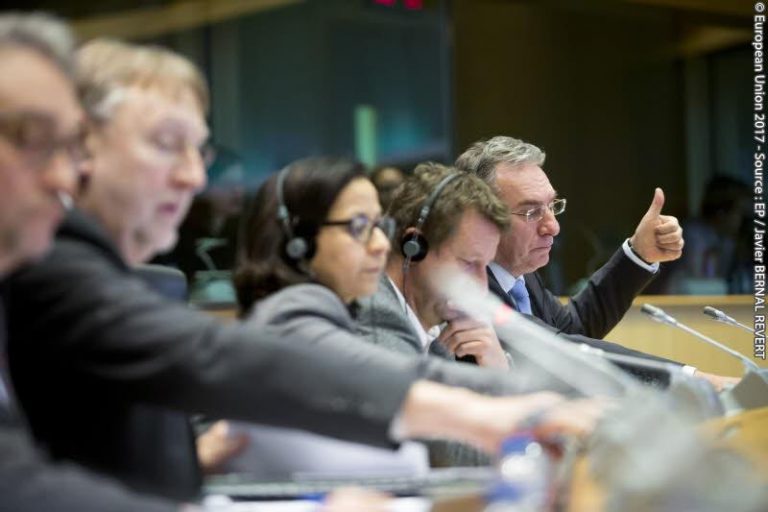
In discussion for close to 16 years at the World Intellectual Property Organization, a treaty aimed at protecting broadcasting organisations’ intellectual property rights has not reached conclusion. Intellectual Property Watch sat down recently with the European Broadcasting Union to understand what broadcasters actually say they need to protect their businesses against piracy. As to what they see hindering the technical resolution of the treaty? Politics.

US Chamber International IP Index: US, Europe At Top; India Needs A Push

The United States Chamber of Commerce today released its fifth annual International IP Index, which makes the case for the positive impact of intellectual property on economies. The United States scored highest, followed by top European economies and Japan. And near the bottom was India, despite recent efforts to accept the IP system. Separately, the report assesses international trade rules for IP and argues for nations to negotiate "TRIPS-plus" agreements.

Potential Treaty To Protect Broadcasters’ IP Rights: Technicalities Explained

Negotiations for a treaty providing protections for broadcasting organisations have been long and difficult at the World Intellectual Property Organization. In the corridors of WIPO, questions to a number of delegates are often answered with a puzzled look and what seems to be little understanding of technical issues. Intellectual Property Watch recently tried to untangle some of the technicalities of the discussions.

The New Caribbean Patent Convention And Caricom Stasis

Abiola Inniss writes: The creation of the Caribbean Patent Convention under the auspices of Caricom is a long awaited and most welcome development towards the harmonization of intellectual property laws in the region. Even more importantly, it is an indication that Caricom leadership has at long last, after a lengthy period of stagnation and indeterminacy, finally decided to engage the process of thought and action necessary for the promulgation of a legal and regulatory framework for Caribbean intellectual property. The convention is expected to be enacted later in 2017.

Report Puts Value Of Counterfeit/Pirated Goods At US$2 Trillion By 2022

A new report by the International Chamber of Commerce (ICC) and the International Trademark Association (INTA) estimates that some US$213 billion was lost to digital piracy in movies, music and software in 2015. The report also projects that by 2022, the total value of counterfeit and pirated goods in the world will reach somewhere between US$1.9 to 2.8 trillion.

Quest For US Termination Of Copyright Made Uncertain By UK Duran Duran Judgment

Efforts to reclaim rights under the US Copyright Act have increased recently as the window of opportunity for works created in the mid-20th century opens. In comparative cases, Paul McCartney's decision to take back copyright assignments of his music in the United States appears to have been the right choice but may hang on a questionable UK ruling denying the same request by members of rock group Duran Duran, several intellectual property lawyers said.

Year Ahead: A Rather Speculative Year In Global Trade

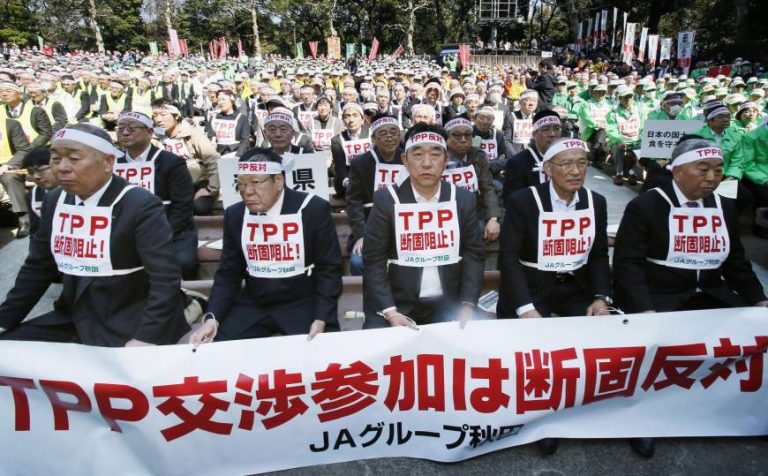
An interesting year lies ahead for trade policymakers. With US President Donald Trump sticking to his “America First” announcement pulling back from the Trans-Pacific Partnership right away, a new trade (world) order might be in the making. In every crisis, there is opportunity, Argentinian Trade Minister Susana Malcora said in Davos during the January World Economic Forum (WEF) where the business elite otherwise traded concerns at the beginning of an unpredictable year 2017.

EU Adoption Of Marrakesh Treaty For Blind Readers Imminent After Years Of Delay?

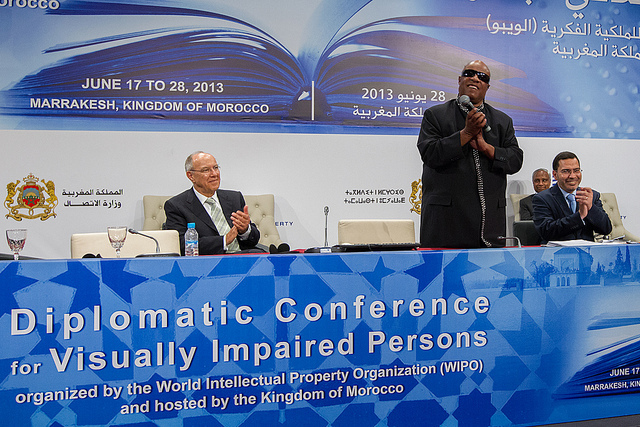
The European Parliament Legal Committee this week did not bother to further discuss the ratification of the Marrakesh Treaty on copyright exceptions for print disabled persons. Instead, Rapporteur Max Andersson declared that he favoured putting the file to a vote right away. Andersson told Intellectual Property Watch that the parliament would adopt the report in March or latest April.

A Case For Trade Enforcement: Colombia And Intellectual Property

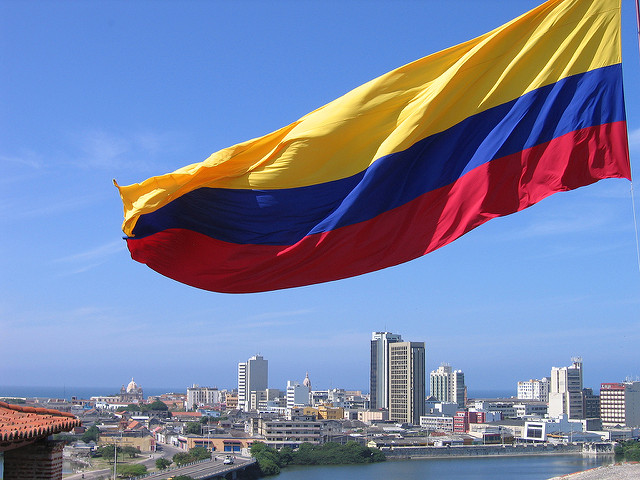
President Trump and members of his administration have rightly talked about the need to be tougher on trade enforcement, including promising to take a closer look at existing trade agreements to see whether they should be revoked, renegotiated, or more strictly enforced. A candidate ripe for review is Colombia, and in particular, its ongoing failure to implement intellectual property provisions under the U.S. Colombia Trade Promotion Agreement (TPA), Nigel Corey writes.

Year Ahead: Copyright Issues Rank High On EU To-Do List This Year

Copyright, copyright and more copyright tops Europe's intellectual property agenda for 2017. With the EU institutions mulling major reforms to copyright laws, publishers are pushing for a right to bar unauthorised copying or reuse of their content for commercial purposes, audiovisual authors for fair remuneration for use of their works on platforms like YouTube. The European Commission will begin reviewing the enforcement of IP rights as well as delving further into issues related to liability of platforms for infringement. But there are many patent issues too, including plant variety protection, patent incentives, and the ongoing unitary patent court.

Canada-Europe Trade Agreement: One More Vote To Clear

Just a day after US President Donald Trump withdrew the United States from the Trans-Pacific Partnership, the International Trade Committee of the European Parliament passed a recommendation in favour of adopting the Comprehensive Economic and Trade Agreement (CETA) between Canada and the EU. Meanwhile, the EU Trade Commissioner said trade is not to blame and the EU will negotiate many trade deals this year.

IP Law In The US: A Look Ahead

Whatever else could be said of 2016, it was undeniably interesting. That’s likely to be true, too, for 2017. Even the staid area of US Intellectual Property Law may face dramatic changes. Here's the likely most important of those changes.