Category Health Policy Watch

New WHO Essential Medicines List: Antibiotics, Hepatitis C, Leukaemia, TB

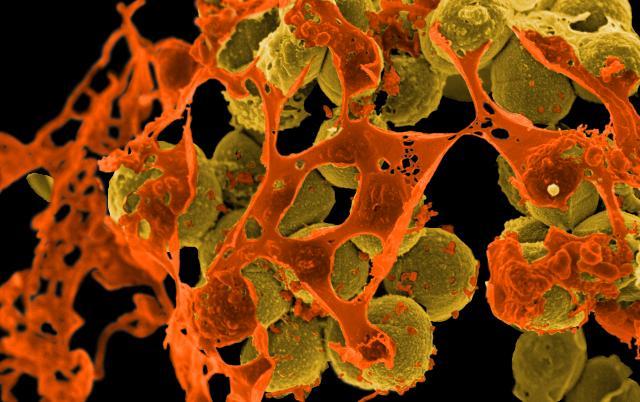
The World Health Organization's new list of essential medicines, those which should be available to everyone, anywhere, was issued today. To answer the rising concern about antimicrobial resistance, the antibiotics on the list have been divided in three groups, the last of which are to be used as a last resort. The list includes the first combination therapy to treat all six types of hepatitis C. However, no second line treatment for breast cancer has been added this year.

Industry, NGOs On Staff At WHO? Beware Of Revolving Doors, Some Say

The agreement found last year after months of intense discussion to avert the possibility of undue influence by outside actors at the World Health Organization is yet to be fully implemented. The World Health Assembly last week looked at progress and the process by which the WHO can temporarily welcome on its staff individuals from the private sector, civil society, philanthropic foundations, and academic institutions. Some countries questioned principles in this process but were told by the WHO that their comments would merely be recorded.

Polypills: Are Miracle Treatments Being Overlooked?

Cardiovascular diseases (CVD), a group of conditions that can result in heart attacks and strokes, is the world’s number one killer, accounting for one-third of deaths throughout the world, according to research released recently (17 May) by the Institute for Health Metrics and Evaluation (IHME) at the University of Washington.

World Health Assembly Adopts Resolution Supporting Tax On Tobacco, Alcohol, Sugar

Cancer, diabetes, heart disease and chronic respiratory diseases are killing millions of people each year, making noncommunicable diseases the leading global cause of human deaths, many of them premature. This week, the World Health Assembly endorsed an updated set of policy options for countries to help them with the prevention and control of those diseases. On the list is a suggestion for tax increases on tobacco products and alcoholic beverages, and the reduction of salt intake. Supported by many countries, it was resisted by the United States and Italy.

A Summary Of Key IP-Related Actions Taken By The 70th World Health Assembly

After what was described as the biggest World Health Assembly ever, with the highest number of agenda items and the highest attendance, it seemed that all’s well that ends well at the closing ceremony earlier today. A notable fact during this assembly has been the rising volume of voices from developing countries, joined by developed countries on issues related to access to affordable, safe, and efficacious medicines. Resolutions and decisions were adopted, many with hopes of better addressing challenges such as antimicrobial resistance, cancer, substandard and falsified medical products, medicines access and shortages and more.

WHO Asked To Square Its Position On Herbicide; EU Evaluation Seen As Flawed

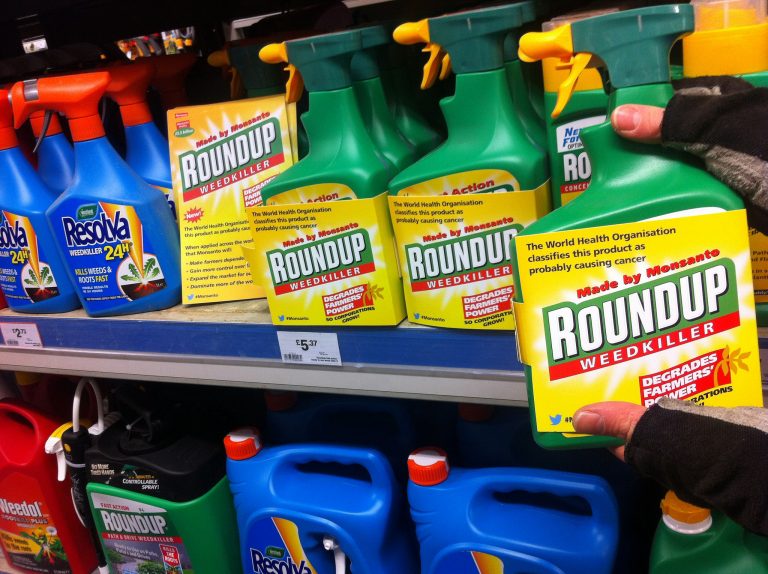
Does glyphosate, better known under its brand name RoundUp, increase the risk of cancer in humans, or not? Yesterday, some World Health Organization members, while hailing a draft resolution on cancer later adopted, underlined a lack of coordination on glysophate between the WHO and its agency for cancer research. Separately, a renowned scientist sent a letter to European Commission President, Jean-Claude Juncker, saying the evaluations on the herbicide are flawed, and should be done again to safeguard public health.

World Health Assembly Adopts Resolution To Fight Sepsis; Antimicrobial Resistance Major Threat

Antimicrobial resistance is a growing health concern as was acknowledged by countries at the World Health Assembly this week, and a resolution was adopted to fight sepsis, which is a life-threatening blood stream infection for which there is growing resistance.

Will The Money Keep Rolling?: Innovative Global Health Financing And Governance

We are in a liminal moment for global health financing. The “golden age” of increasing donor funding is clearly over, arrested by the 2008 financial crisis. But while donor contributions are no longer climbing, they have not been falling, either. And it is possible this status quo will hold… But it’s equally possible that this is just the pause before the roller-coaster drops. Considering that Gavi, the Global Fund, and the World Bank will all be launching another replenishment round in 2019—and given the uncertainty surrounding US foreign aid commitments and post-polio financing—that drop may prove very steep indeed.

Decision On Pandemic Flu Framework At WHA: Look Closer At Changes

A committee at the World Health Assembly yesterday decided to seek a closer look at consequences of potential changes to the WHO framework on pandemic influenza. The decision, still to be confirmed by the World Health Assembly, requires in-depth analysis of how to handle pandemic flu viruses under the framework, whether the framework should cover seasonal influenza, and whether the framework should become a specialised international instrument on access and benefit-sharing.