Category Features

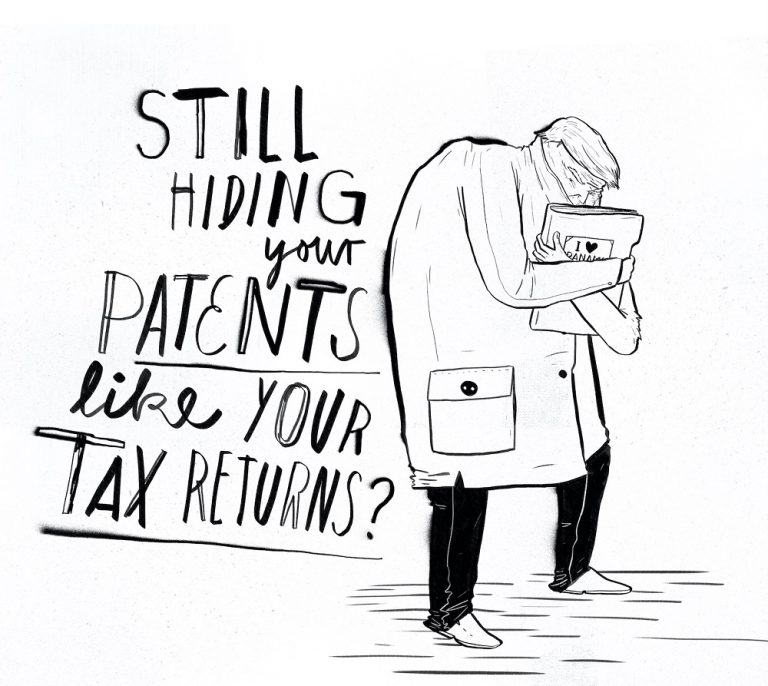
How To Discover Valuable Patents

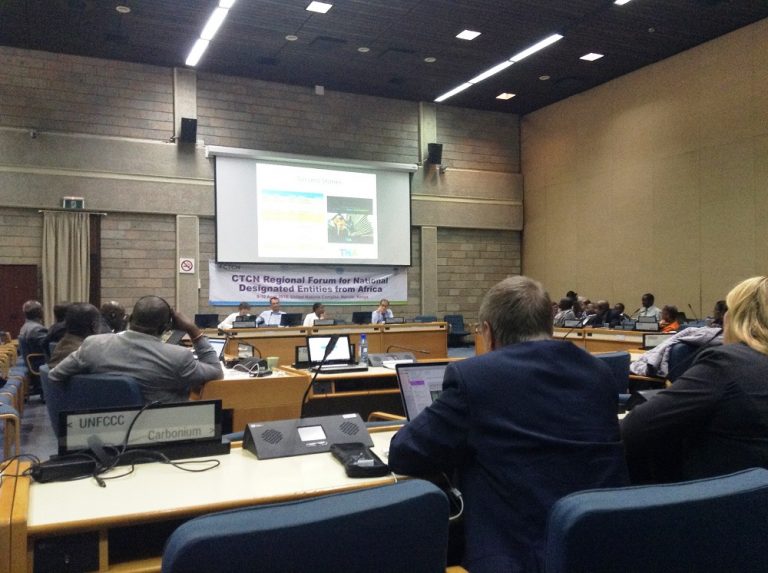
Bastian July writes: In May 1968, the submarine USS Scorpion disappeared after a tour of duty in the North Atlantic. The initial search area was a circle twenty miles wide and thousands of feet deep. Instead of asking one or two experts for input, Navy officer John Craven assembled a large group of independent experts with a wide range of knowledge. The group included mathematicians, submarine specialists, salvage men and many others. Combining their knowledge, Craven was able to estimate the submarine’s likely location. It was found 200 yards from the group’s collective estimate. But can you also turn to the Wisdom of the Crowd when it comes to discovering the fortunes lying hidden in patents?

Adopting An Open Innovation Perspective For Patent Policy For The Internet Of Things

The Internet of Things is a prototypical technology space, where small and medium sized enterprises (SMEs), universities and their spin-outs as well as big corporations alike could constitute a fruitful innovation ecosystem. All these players could thrive in the spirit of Open Innovation, so to collectively re-invent the future of the internet and patents could take the role of promoting tech transfer, knowledge exchange and spur secondary markets for intellectual property.

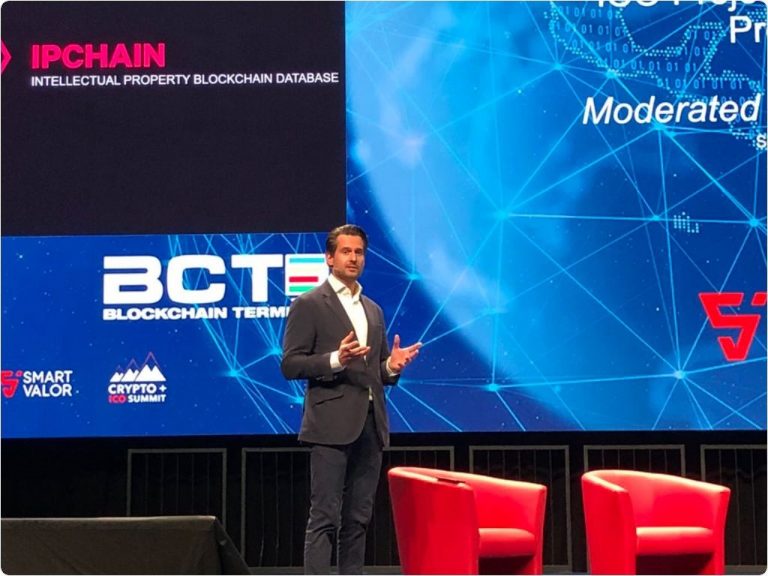
Interview With Dominik Thor, Founder Of IPCHAIN Database

Distributed ledger technology, commonly called a Blockchain, has recently become a highly popular term in many different industries for its cost-saving and operational risk reducing potential. In this interview with Intellectual Property Watch, Dominik Thor, the founder of IPCHAIN Database, a startup that focuses on IP protection through the use of Blockchain, explains about the ways this new technology can revolutionise the IP sector.

China’s “Theft” Of Foreign Technology Prompts Unlawful US Response, Experts Say

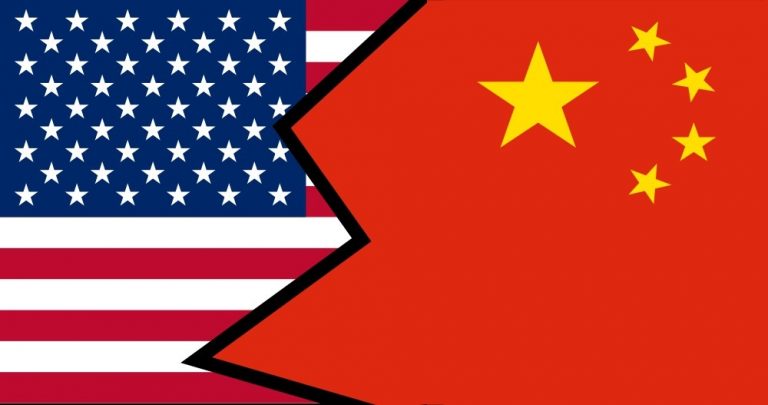
This time Donald Trump was correct: China has, for years, unfairly obtained and exploited American intellectual property and technology. But Trump’s response – imposing $50 billion in tariffs annually on a wide variety of Chinese imports – is problematic, experts warn. The tariffs appear to violate World Trade Organization rules, undermine the international rules-based economic order that has served the West well for decades, and threaten to ignite a trade war between the world’s two biggest economies.

Taiwan IP Office Moves Beyond Politics To Forge Links With Other IP Offices, Enforce IP Rights

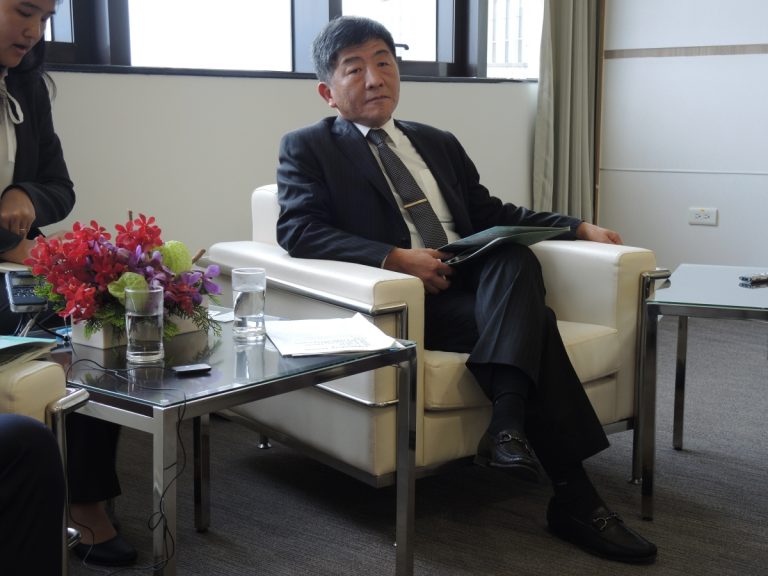
TAIPEI, Taiwan -- The building is impressive. Taiwan’s intellectual property office, located in the Dan-an district of Taipei, deals with patents, trademarks, designs, and utility models. Not being a recognised member of the United Nations, Taiwan cannot access the World Intellectual Property Organization treaties, in particular the Patent Cooperation Treaty. However, Taiwan is dedicated to enforcing IP rights, and entertains agreements with several IP offices in the world, including China, which is Taiwan's major trading partner.

Springtime Moves In The IP Community

The beginning of the year saw a particularly high number of changes at law firms and in the United States government. Also the World Trade Organization named a list of new chairpersons for its committees, the World Economic Forum named the head of its new cybersecurity centre, and Swiss pharma company Roche has a new head of research and development.

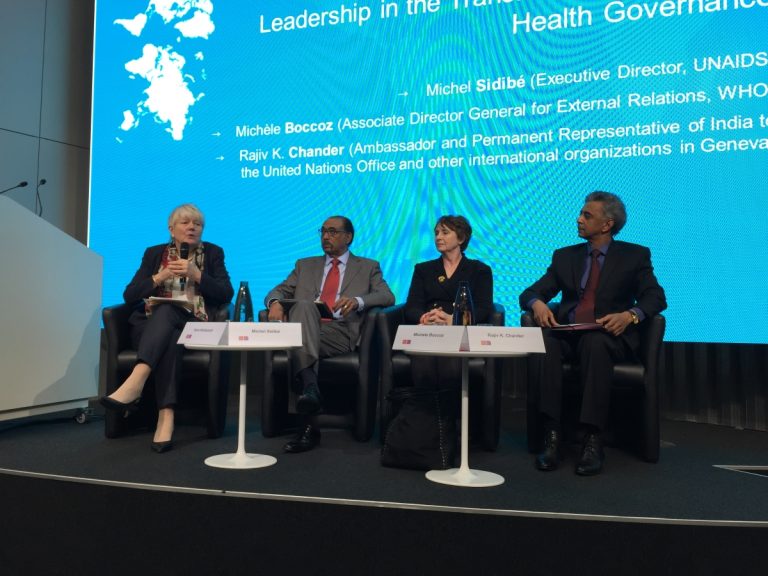
Special Feature: Blocking Taiwan From Joining WHO Affects Global Health Security, Officials Say

TAIPEI, Taiwan - Two years after the victory of Taiwan Democratic Progressive Party (DPP) and President Tsai Ing-wen, Taiwan is feeling the effects of the DPP's position against the "One China principle." At the World Health Organization, China is allegedly successfully blocking Taiwan from participating in the annual World Health Assembly, and in a number of WHO technical meetings, officials say. Beyond the political dimension of the dissent between China and Taiwan, the situation may hurt the Taiwanese and global health security, Taiwanese officials said.

Ending Unauthorised Access To Genetic Resources (aka Biopiracy): Bounded Openness

“Access to genetic resources” and “the fair and equitable sharing of benefits arising from their utilization” have beleaguered all thirteen Conferences of the Parties to the 1993 United Nations Convention on Biological Diversity (CBD), a group of academics writes. The expression in quotes constitutes the third objective of the Convention and is intertwined with the first two, conservation and sustainable use. It goes by the acronym “ABS”. Despite 25 years of efforts and an annual bio-economy of nearly one trillion dollars, few contracts have ever been concluded. And of those very few, the monetary benefits are so low that contracting parties are loathe to disclose them. The “Brazilian ABS Law” of 2015, which came into effect on 6 November 2017, even allows royalties on net sales to be as low as one tenth of one percent. In the words of one distinguished legal scholar, Users are paying “peanuts for biodiversity.”

ISPs In US Face New Copyright Challenge

Online firms don’t do enough to combat copyright infringement. That, at least, is what US copyright owners have been saying for years. They recently received some good news from the US Fourth Circuit Court of Appeals. The decision in BMG Rights Management v. Cox Communications puts new teeth in the legal requirements for internet service providers (ISPs) to act against infringing customers. The ruling, however, is worrying ISPs and many legal experts, because it empowers copyright trolls, increases costs for ISPs, and puts many of their customers in an untenable situation.