Category Features

The Patent Paradox In Brazil And Its Implications For Access To Medicines

Brazil is frequently pointed to as one of the countries in which fewer pharmaceutical patents are granted. The fact that there is a low number of patents granted could lead to the conclusion that medicines can be bought under competition and that the prices would be low. However, many medicines in Brazil are bought exclusively from one producer and usually at high prices. The situation of few granted patents, but many purchases under exclusivity due to absence of competition (which can lead to higher prices), is what we are calling the ‘patent paradox in Brazil’. In the absence of granted patents, what are the factors that lead to the situation of no competition and high prices in Brazil? This is the question that we, at the accessibsa: Innovation & Access to Medicines in India, Brazil & South Africa, aim to answer with a study currently being conducted at the Department of Medicines Policy and Pharmaceutical Services (NAF) of the Sergio Arouca National School of Public Health – ENSP/Fiocruz.
Brazilian Superior Court Of Justice Stops Patent Term Extension Attempts

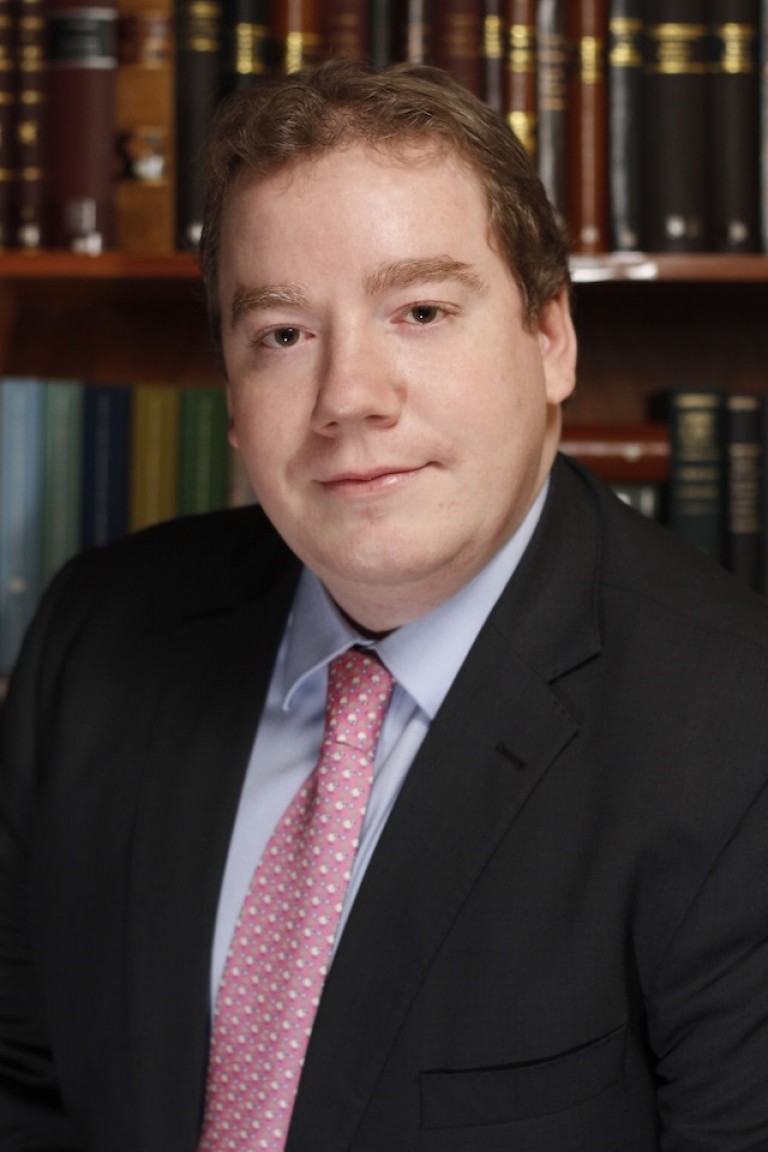
Pedro Marcos Nunes Barbosa writes: In April 2018, the Brazilian Superior Court of Justice (STJ) ruled on a controversial patent term extension scheme, for the third time since Brazil adopted TRIPS compliant legislation in 1996. The first ruling on this topic, upheld by the STJ, was decided, unanimously, in the year 2009 (docket REsp 960.728, Justice Andrighi). In that case, a famous agrochemical multinational company sought an exotic interpretation of the impacts brought by the minimum deadline granted to a patent, since the WTO’s annex treaty imposed the uniform extension of 20 years. In other words, although the agrochemical company had obtained its exclusivity right in a pre-TRIPS context (where Brazilian Law guaranteed a 15 years property right), but unsatisfied, after the Agreement was implemented, the plaintiff requested a judicial pass for a five year extra period of competition absence.

Collective Efforts By Civil Society Groups Bar The Way To Hepatitis C Patents

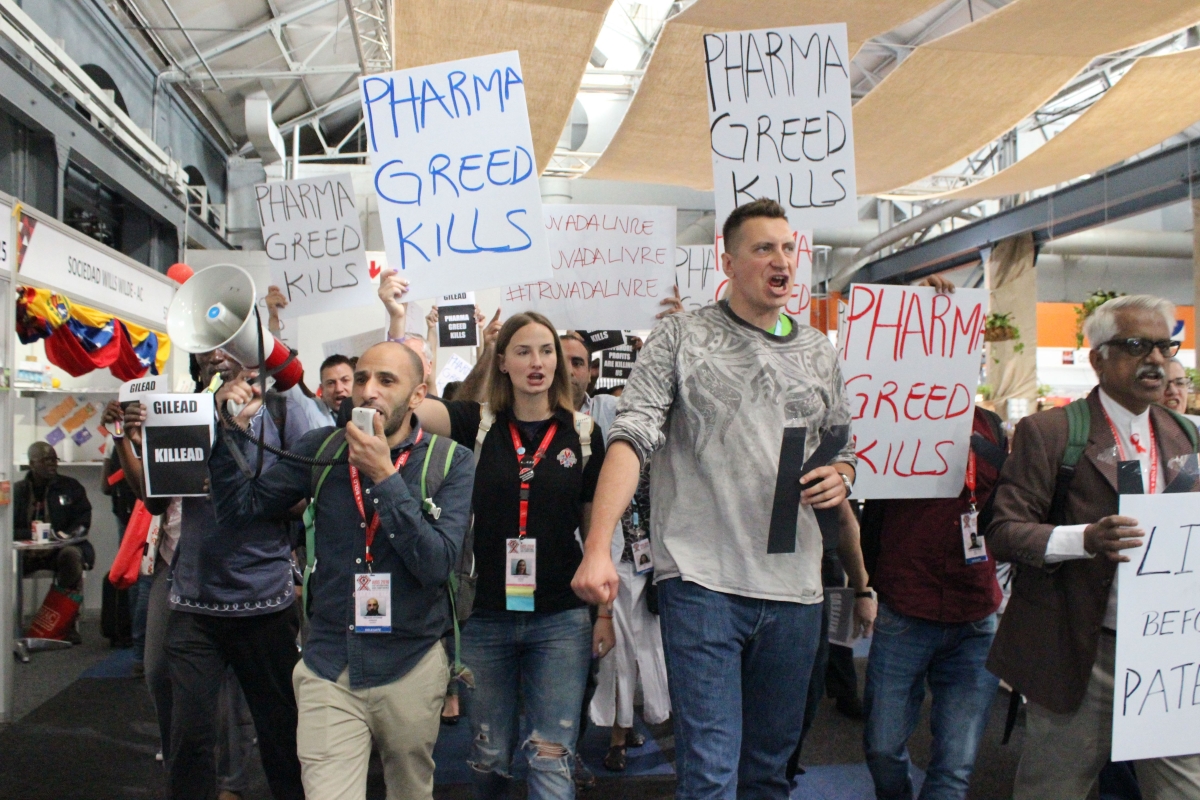
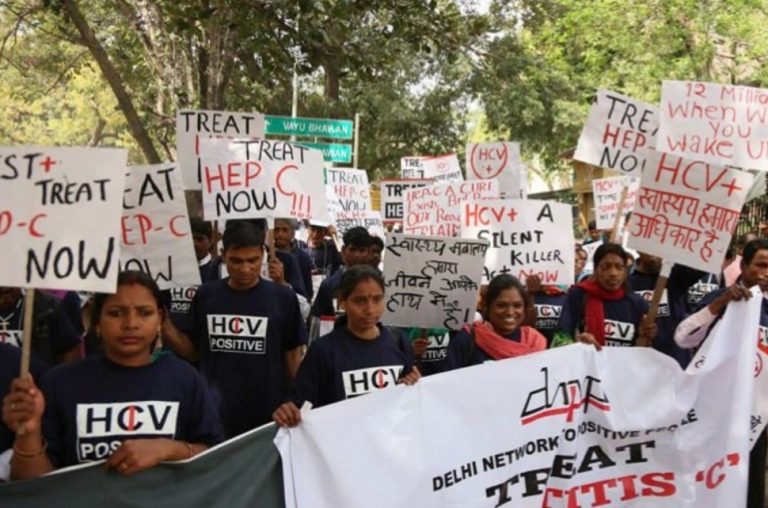
Many hold the view that Gilead’s revolutionary treatment against hepatitis C (sofosbuvir) marked the beginning of a shift in position toward the high prices of medicines, as high-income countries were also faced with an untenable burden to their health systems. In a number of lower and middle-income countries, civil society organised itself to increase access to sofosbuvir for millions in need.

EU-US Comparison & Guide On Copyright Link Liability – An Update

Ed Klaris and Alexia Bedat write: An update to our article reviewing US and European law/recent developments in link liability in both the copyright and defamation contexts and providing a checklist of questions an attorney (or editor) ought to ask before deciding, prepublication, whether a proposed link may lead to liability in the US and/or the EU. Updates include the recent Goldman v. Breitbart decision in which a Federal Judge concluded that embedding a Tweet can be copyright infringement.

Civil Society Key In TRIPS Flexibility Implementation

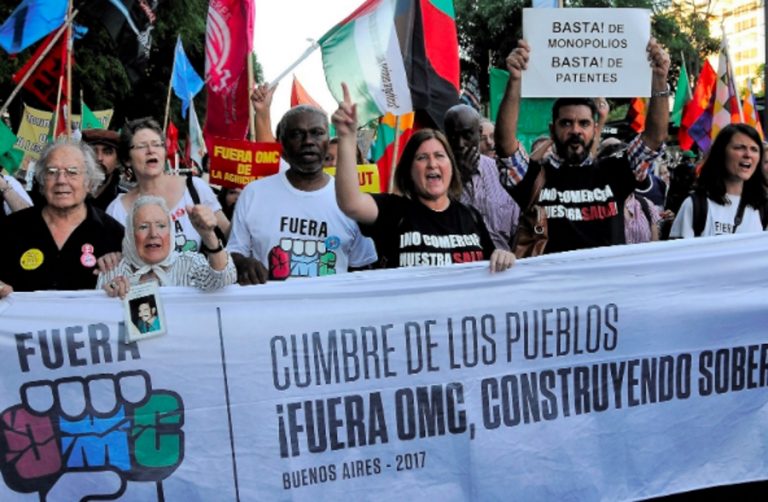
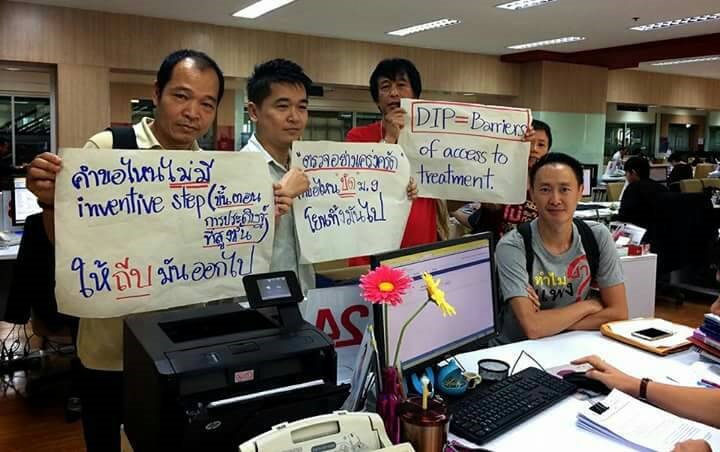
When the agreement on intellectual property was adopted by the World Trade Organization, a number of flexibilities were included in the text, mainly to give developing countries policy space to implement the agreement with development considerations. However, some countries through lack of awareness or economic pressure have not used those flexibilities fully, and found themselves facing difficulties addressing their public health needs, which some associate with this failure to use the flexibilities. Civil society has engaged in notable efforts to counter pressure and raise policymakers' awareness for a wider access to medicines.

Brazil’s Federal Court Reviews Medicines Mailbox Patents

This week the media reported that the Brazilian federal court removed the patent protection for eculizumab, sold under the brand name Soliris by Alexion Pharmaceuticals Inc. Eculizumab is used in the treatment of paroxysmal nocturnal hemoglobinuria (PNH), a rare and life-threatening blood disease. The product was approved by the US FDA for this indication in 2016. Brazil’s health care system spent $184.2 million to treat 442 patients with Soliris, an average of over $416,000 per patient. The patent office expects that more revocations may follow. This blog explains why this is.

The Changing Copyright Climate And WIPO: Interview With IPOS Chief Executive Daren Tang

The copyright committee of the World Intellectual Property Organization is meeting at the end of May with some complex issues on the agenda that may see new approaches for moving them forward, including the protection of broadcasting organisations, and limitations and exceptions to copyright for certain actors such as libraries and archives. Daren Tang, the chair of the committee, and chief executive of the Intellectual Property Office of Singapore (IPOS), recently engaged in an interview with Intellectual Property Watch's Catherine Saez, providing his insights on the discussions, changes in the world affecting copyright, and what to expect of the next session of the committee.