Category Features

The Trillion-Dollar Technology

The smartphone is one of the most ubiquitous inventions in contemporary life. Ask anyone from teenagers to senior citizens – in industrialized countries, as well as emerging markets – about the wireless ways of their life, and they will tell you this. But what is the economic impact of mobile? That is not as obvious, writes Antonio Varas.


CEIPI Launches Training Program For Technical Judges Of Unified Patent Court

One of the major imminent changes in the international patent system is the establishment of the Unified Patent Court. The agreement to create this tribunal was signed by 25 European Union States in 2013, and it is foreseen that the Court will be operational by the end of 2016. Setting up of a single tribunal with competence to decide on both validity and infringement disputes is an old European aspiration, and must be seen in the context of the global trend of creating specialized intellectual property tribunals. In this case, the aim is to respond to the high costs, forum shopping and lack of legal certainty that are generally attributed to the current system of adjudicating disputes concerning European patents. Among the many new features of the Court, the presence of technical judges is particularly notable.

US Court Adds Confusion To #Trademarks

Once, hashtags (like #cute_cat) merely identified topics on Twitter, Facebook, and other social media. No longer. A rapidly growing number of companies are using hashtags (like #HowDoYouKFC) as trademarks. There is one problem, however. A court in the US has recently ruled that hashtags can never receive trademark protection.

WTO Public Forum: Trade Works – Taking Stock After 20 Years

This week, the World Trade Organization is holding its yearly public forum with a focus on the contribution of the organisation to global trade since its inception 20 years ago. Some 90 sessions are planned, on issues such as intellectual property, global value chains, agriculture, trade for development, and the WTO dispute settlement system.

New Geneva Delegates For Canada, Panama

New delegates have arrived to Geneva just in time for the annual Assemblies of the World Intellectual Property Organization and the World Trade Organization trade ministerial. Geneva Delegates Zoraida Rodríguez, Deputy Permanent Representative to the World Intellectual Property Organization and…

Cuba And Your Global Trademark Strategy

After 54 years, the American flag has once again been raised over the American Embassy in Cuba. What does the newfound activity in Cuba mean for your brand? Is it time to protect your trademark in Cuba? The answer from most is a hearty “yes,” writes Pam Huff.

Are The UN And WIPO Drifting Apart?

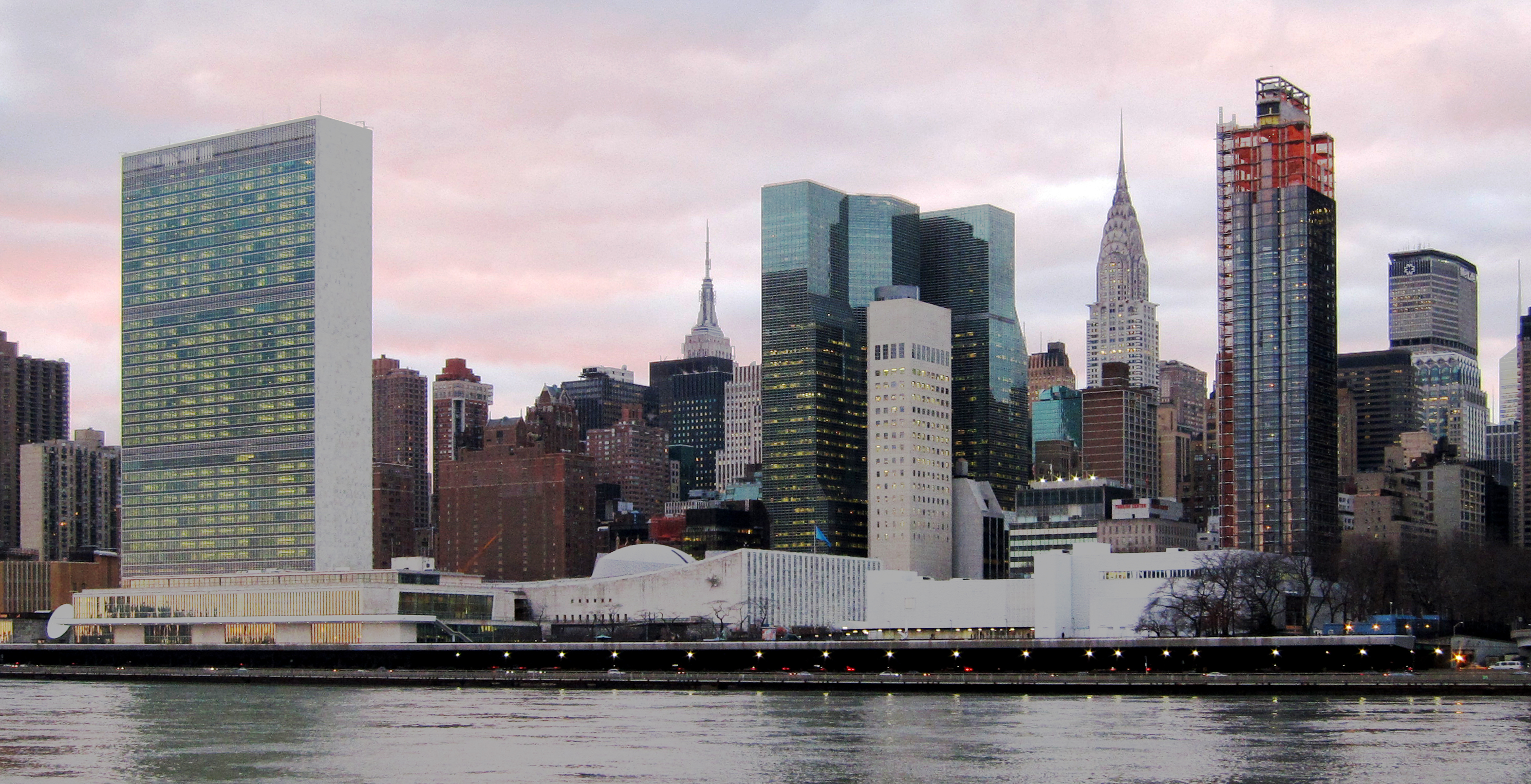
NEW YORK – As some of the most powerful people on earth prepare to gather here later this week at the United Nations to discuss the biggest problems and opportunities facing humankind for the next 15 years, mention of a key issue underlying many themes – intellectual property – is hard to find. Also hard to find is reference to the UN agency responsible for the issue, the World Intellectual Property Organization.

The Lexmark Litigation: Why Does Big Pharma Care So Much About Ink Cartridges?

The Federal Circuit will soon hear Lexmark v. Impression Products, a case about ink cartridges. Impression, a foreign buyer, refills spent Lexmark cartridges and resells them in the United States. Impression claims that Lexmark, having sold the cartridges, has exhausted its patent rights, and cannot hold Impression liable for patent infringement. The Federal Circuit will address whether the US patent is exhausted with the sale of the patented product outside the US, write Burcu Kilic and Peter Maybarduk.

Resisting The Law Of Greed

In 2011 in a small court in Ecuador’s Amazon jungle, a judge ordered the American oil giant Chevron to pay US$9 billion dollars in damages for pollution in the region that was caused by drilling activities in the 1970s and 1980s. The company quickly denounced landmark ruling as illegitimate. More than a year before the final ruling had been issued, Chevron had already taken steps to initiate an investor-state dispute against the Government of Ecuador under the terms of a US-Ecuador bilateral investment treaty (BIT). The company seeks to avoid paying the US$9 billion by convincing an international tribunal that the courts of Ecuador are corrupt and that the government is ultimately responsible for any environmental damage and associated health issues experienced by local residents, writes Kyla Tienhaara in Green Agenda.