Category Features

Special Feature: WHO Still On Trail Of New Financing For R&D For Poor Populations’ Medical Needs

World Health Organization members are expected to meet this spring to assess progress and discuss potential solutions to the lack of financing for research and development for diseases affecting primarily developing countries. The WHO Executive Board last week discussed and noted a report by the WHO secretariat for the preparation of the open-ended meeting. The exact date of the meeting is not certain, according to WHO officials, but would likely be in March or April.

Special Feature: Process For 2017 Election Of New WHO Director General

The pressures of running the world’s highest profile public health agency in trying times (new outbreaks, mass migration and other challenges, with uncertain funding) could make the job of debatable attractiveness, but rumours in the World Health Organization hallways this week are that many possible candidates are likely to be considered to vie for head of the United Nations agency in Geneva. But the election process itself was just finalised for the changeover to occur in mid-2017, so it is too early to start naming possible candidates. The following is a look at the process leading to the next head of the WHO.

FAO Head Says Livestock Diversity Is Crucial For Future Food Security On A Harsher Planet

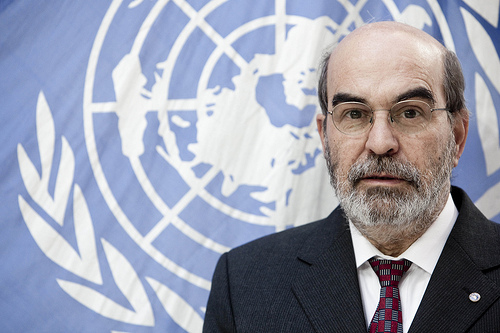
FAO Director-General José Graziano da Silva writes: Our livestock is increasingly being raised indoors and fed on concentrate feed that is often imported. Intensive production of chickens, pigs and dairy cows is based on a few breeds worldwide. These developments are risky, as we and future generations are losing the potential to adapt livestock production systems to increasingly harsh conditions such as those associated with higher temperatures and shortages of nutritious feeds.

WHO Board To Address Reform Progress, R&D Financing, Lobbyists/ Foundations

Next week, the World Health Organization Executive Board will hold its biannual meeting. On the agenda are key subjects such as the WHO reform process, sharing of influenza viruses for R&D, and a controversial framework for the WHO’s engagement with actors such as non-governmental organisations, private entities, and foundations. Also on the agenda is the effort to address the growing microbial resistance to antibiotics, and finding a way to finance research and development for diseases affecting primarily developing countries.

Copyright, Unitary Patent System Lead EU IP Priorities In 2016

Modernisation of EU copyright and intellectual property rights enforcement law tops Europe's agenda in 2016. Trademark reform legislation approved last year takes effect this year, and a preliminary deal on trade secrets protection is expected to be finalised. Work on the unitary patent system continues, and there's an increased focus on the issue of patents versus plant breeders' rights.

A Look At The Marrakesh Treaty Ratification In Brazil

The Marrakesh Treaty, first of its kind, will enter into force three months after the deposit of the instruments of ratification or accession by 20 eligible countries. So far, thirteen have done so. Brazil, which was one of the main proponents and negotiators, deposited its ratification of the treaty on December 11, 2015, after the yearlong internal legislative process. The key question we are trying to face here is how the ratification of this treaty may impact Brazilian copyright legislation and the interpretation of the limitations.

Opportunities And Challenges That The Internet Of Things Creates

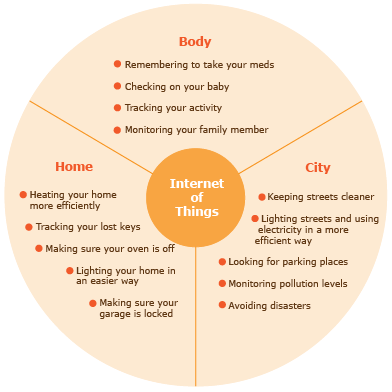
Over the past few years, we’ve seen paramount change in the way we access the internet – it started with desktops and soon shifted to mobile devices. But the world hasn’t been waiting for long to see it grow into something huge. Internet intelligence is now knocking at the door of our homes, cities, and businesses – this is what you’ve heard of as the Internet of Things (IoT).

How To Manage Patent Costs With Quality Applications, Accurate Translations

The number of patent applications filed worldwide continues to increase, up by 4.6 percent in 2014 for a total of nearly 2.7 million, according to the 2015 edition of the World Intellectual Property Indicators. The increasing number of patents filed worldwide demonstrates the strength of ongoing innovation and the value companies put on protecting their intellectual property where they wish to do business. The filing numbers would likely be even higher, and across more countries, if the filers were more prepared for the costs associated with filing patents.

US Intellectual Property Law In 2016: A Preview

Familiar intellectual property concerns will continue to vex the United States in the coming year. The scope of patent-eligible subject matter, the requirements for safe-harbor protections against copyright infringement, and the registration of disparaging trademarks will be among the top IP issues to watch in 2016, according to experts.

TPP, India Most-Read IP-Watch Stories Of 2015

The most-read stories of 2015 on the Intellectual Property Watch website fairly reflected the trends of the year, with the Trans-Pacific Partnership (TPP) agreement, India’s evolving intellectual property rights policies, European Patent Office patents on conventional vegetables, biologics, 3D printing, and some pop culture issues leading the way.

In the coming weeks, IP-Watch will review in-depth what’s in store for 2016, already underway. But for now, let’s take a look at last year’s highlights.