
Brazil’s Copyright Reform: Schizophrenia?
 Pedro Paranaguá writes: Brazil's new Minister of Culture is under severe pressure from civil society groups, academics and some artists. After just a few weeks in power, Minister Ana de Hollanda issued an order to take the Creative Commons license off the Ministry's website. Why is that a problem?
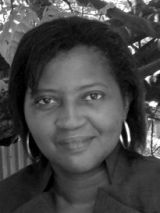 In the Caribbean, issues of traditional knowledge in intellectual property are hardly considered to be of special significance to the majority of policymakers and, except for a few pockets of interest groups such as a group of Rastafarians in Jamaica, the average citizen is uninformed on the subject. The protection of the cultural heritage of the region through a normative system of law is exceedingly necessary for the survival of our unique brand of cultural expression, writes Abiola Inniss.
 This year marks the first time a website address may exist fully in Chinese, Russian, Arabic, or other non-Latin scripts. Ten years from now, the percentage of English content could easily drop below 25 percent. But there are still obstacles to this linguistically local revolution, writes John Yunker.
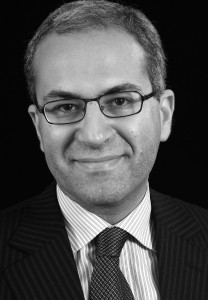 "Given that global copyright rules have acquired such a pervasive impact in many facets of our lives, their reform needs to take place through an open, inclusive and participatory consultation process where ‘all of us’ have a say," writes Ahmed Abdel Latif.
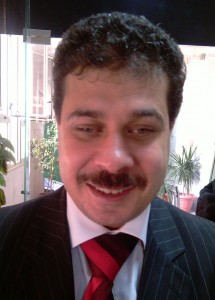 I'd like to introduce myself and put my personal experience in the hands of all concerned parties and people, hoping that this will help to give a better comprehension (explain) about the situation of blind people and to help reach an international treaty that will facilitate access to knowledge for people with visual impairments, writes law professor Mohammed Mohsin Abrahim El Nagaar of Alexandria University.
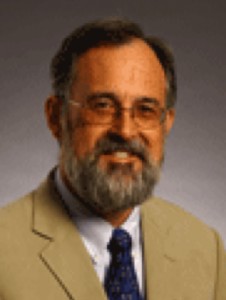 "Instead of re-hashing old debates about patents, patients and profits, forward-looking pharmaceutical executives should consider new ways of ensuring that medicines reach all patients who need them," writes John Erickson, one of the researchers who discovered the HIV medicine recently licensed by the National Institutes of Health to the Medicines Patent Pool.