Mara Pillinger

Mara Pillinger

Global Health R&D: Evidence, Priorities, Coordination
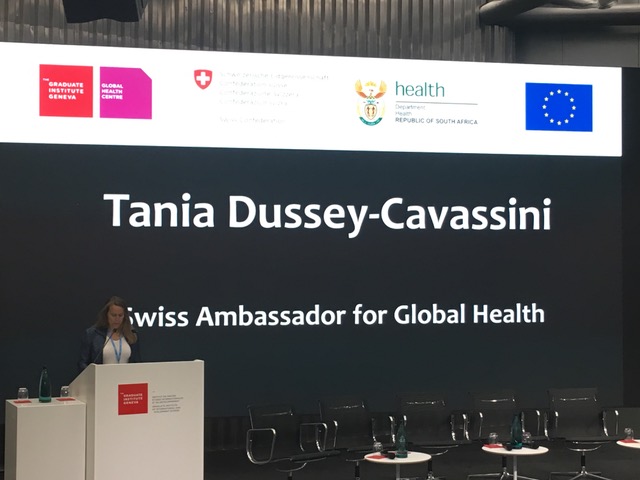
World Health Assembly Agenda Item 13.5 is descriptively-yet-uninformatively labelled “Follow-up of the report of the Consultative Expert Working Group on Research and Development: Financing and Coordination (CEWG).” But that anodyne title actually masks an important milestone in the World Health Organization’s long-running efforts to increase R&D around neglected diseases and diseases of poverty.
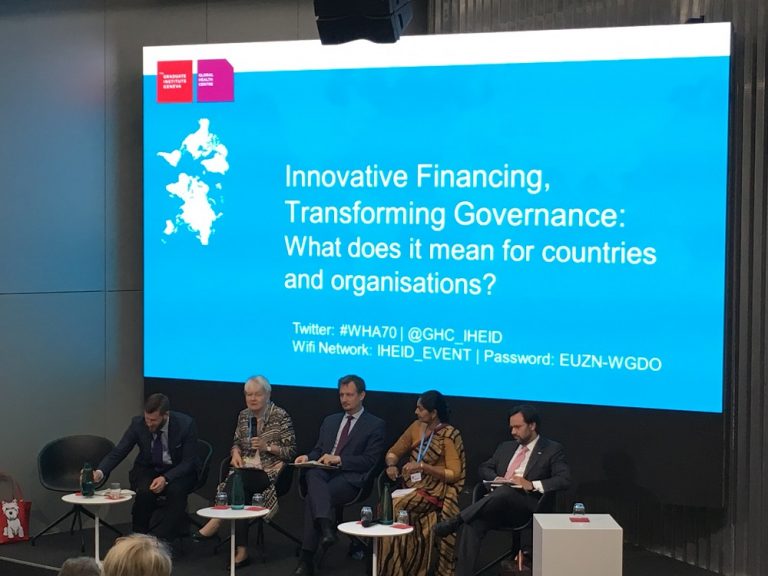
Will The Money Keep Rolling?: Innovative Global Health Financing And Governance

We are in a liminal moment for global health financing. The “golden age” of increasing donor funding is clearly over, arrested by the 2008 financial crisis. But while donor contributions are no longer climbing, they have not been falling, either. And it is possible this status quo will hold… But it’s equally possible that this is just the pause before the roller-coaster drops. Considering that Gavi, the Global Fund, and the World Bank will all be launching another replenishment round in 2019—and given the uncertainty surrounding US foreign aid commitments and post-polio financing—that drop may prove very steep indeed.

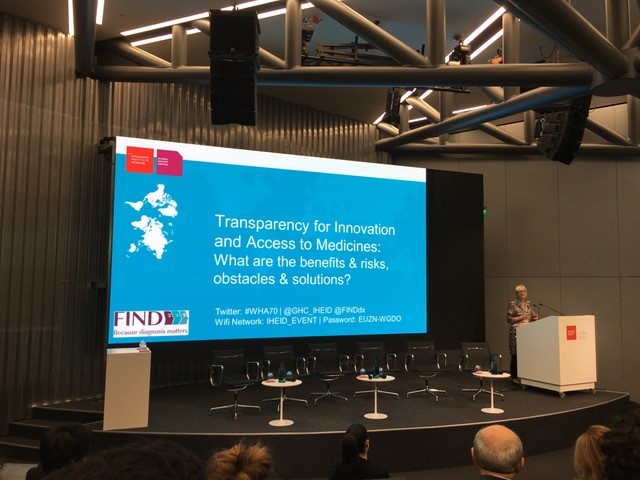
Expanding Access To Medicines: What Role For Transparency?

Transparency” and “accountability” are familiar buzzwords. Like salt and pepper, they pop up on nearly every list of ingredients for sound policy and good governance. But, as Ilona Kickbusch and Suerie Moon of the Graduate Institute Global Health Centre in Geneva point out, their details are rarely specified: transparency for what? Accountability to whom? On Tuesday afternoon, those not busy casting a vote for the next World Health Organization director general got the chance to dig into these questions at a panel co-sponsored by the Graduate Institute and FIND. In particular, discussion focused on transparency in terms of public access to two types of information: drug R&D costs and clinical trial data.

World Health Assembly 70: A Spectator’s Guide To Program/Budget, Election, Polio Transition

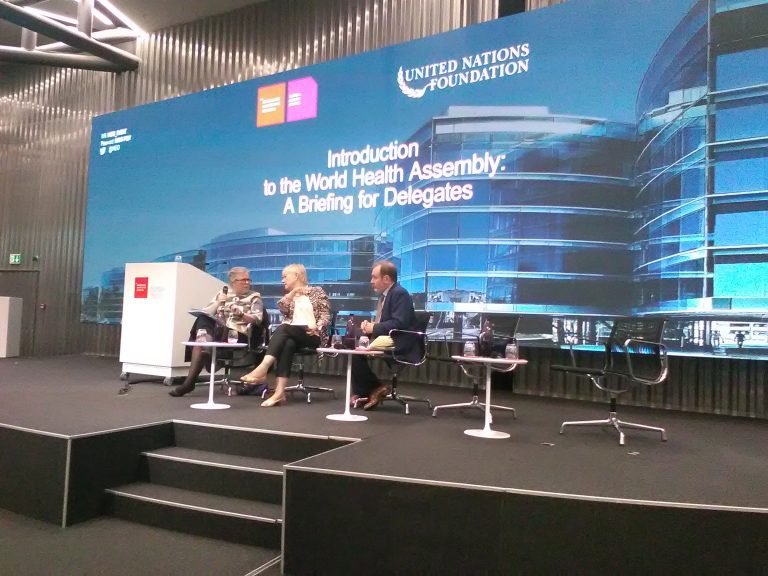
The 70th annual World Health Assembly (WHA), now underway in Geneva, is shaping up to be one of the most consequential in memory. With a record-setting nine-day, 76-item agenda, plus dozens of official and unofficial side events, delegates and WHO followers alike will be hard-pressed to keep up. But yesterday’s introductory briefing, hosted by the Global Health Centre at the Graduate Institute, provided an overview of the proceedings and a few pointers on where to look first. Four items, in particular, stand out.

WHO Reforms Health Emergency Response But Who Will Pay The Bill?

Two years after Ebola, the World Health Organization continues to push forward with a thorough overhaul of how it responds to health emergencies. These include Public Health Emergencies of International Concern (PHEICs), such as the Ebola and Zika outbreaks, as well as natural diseases, conflicts, refugee crises, and the like.

Countries ‘Disappointed’ With WHO Reform Progress

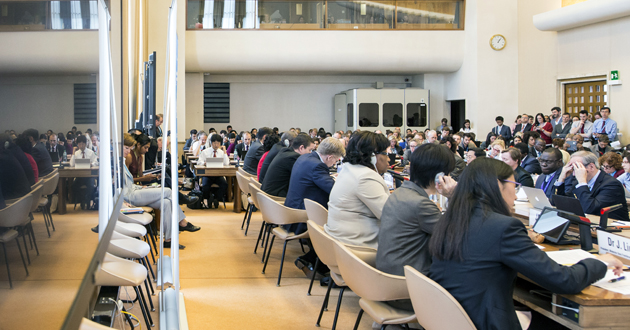
The World Health Organization secretariat this week reported to its member states on progress made in implementing sweeping programmatic, governance, and management reforms. The report? WHO has made progress, but there is still a long way to go. Member states, meanwhile, used the opportunity to express concern about the way it is going.

Ways To Follow The #WHA69 Opening Today

The 69th World Health Assembly (WHA) opens today in Geneva, with well over 3,000 participants and a record number of agenda items. For the 12th consecutive year, Intellectual Property Watch has a dedicated team on the ground, bringing you informed, timely reports on the action, on the floor and behind the scenes. Below are some other ways to follow the action as well, including a handy list of Twitter hashtags for the week.

Tech4Dev Conference: Translating Innovation Into Social Impact

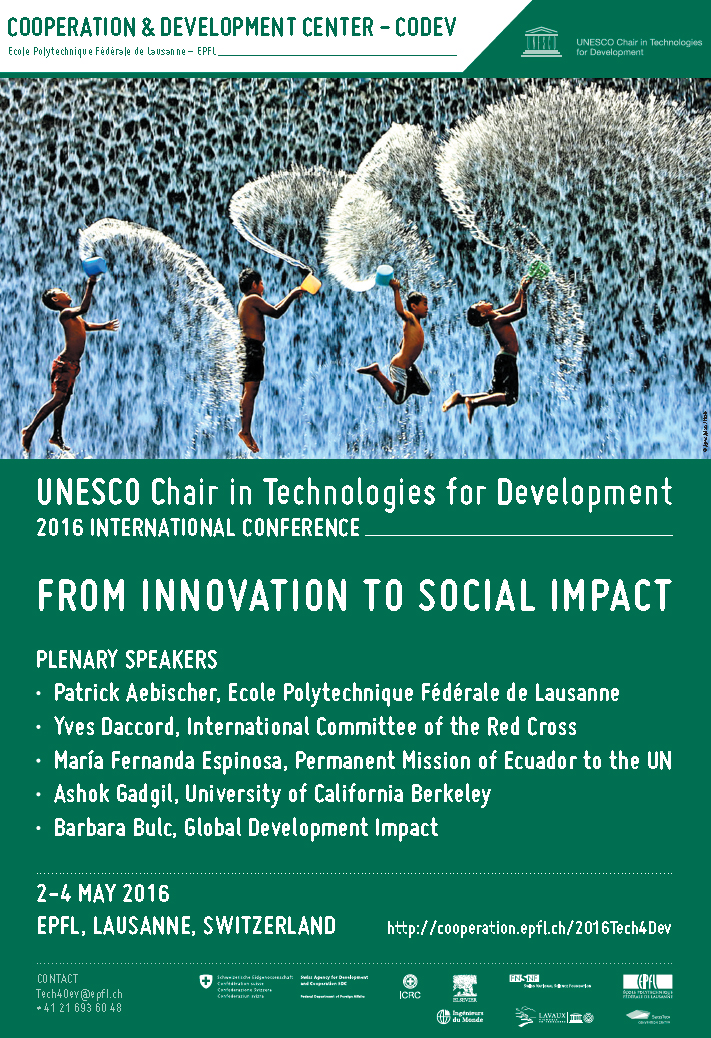
New technologies are of limited value if they are not accessible. Thus the crucial challenge lies not only in promoting innovation, but in translating innovation into social impact. This was the theme of the fourth Conference on Technologies for Development (“Tech4Dev”).