Intellectual Property Watch

Intellectual Property Watch

South Africa’s Proposed Copyright Fair Use Right Should Be A Model For The World

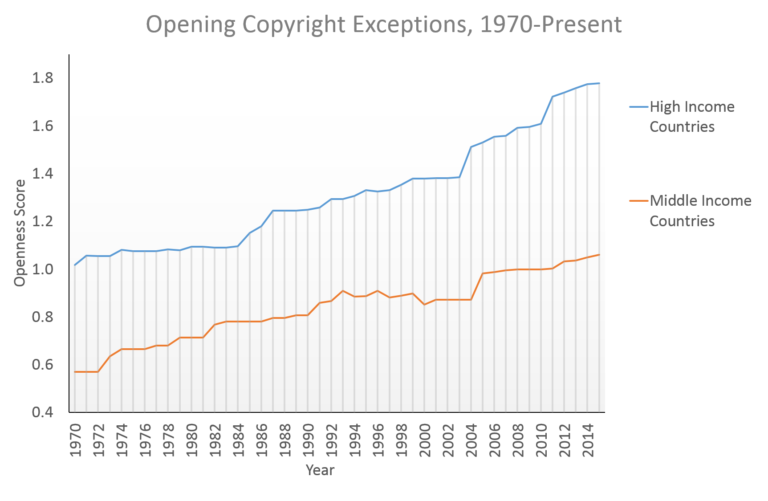
Copyright laws the world over are under massive pressure to reform to fit the digital environment. One key area often in need of reform is in the exceptions to copyright that enable the digital practices. Without exceptions, common practices may be illegal, such as sharing photos on social media, making technical copies to send and stream, and uploading excerpts to closed networks for student access, writes a group of experts on the issue.

Protecting And Promoting Copyright Balance In NAFTA

The ongoing NAFTA renegotiation presents a prime opportunity to move the ball on protecting and promoting general public interest copyright exceptions. All three countries have such exceptions to varying degree. And all three are under threat from an agenda to cabin their use through international law. NAFTA negotiators can and should include the best models from prior international agreements that protect and promote the ability of countries to have general exceptions, writes Professor Sean Flynn.

Section 1201 Rulemaking – The Process Is Moving Along

Dave Davis writes: Section 1201 is a curious little section of the US Copyright Act, added by the Digital Millennium Copyright Act (DMCA) of 1998. But the matter covered in that section is of great importance in our digital age and, due to its triennial rulemaking requirement, ‘1201’ exceptions are a topic of considerable discussion every few years. As it turns out, 2018 is one of those years.

Interview With Peter Vanderheyden, CEO Of Article One Partners

Article One Partners (AOP), the world leader in crowdsourced intellectual property research, is now into their 10th year. Intellectual Property Watch recently arranged an interview with Article One Partners CEO Peter Vanderheyden to get an update on how the company has evolved in response to the ever-changing IP landscape, and in light of their commitment to IP quality.

WIPO, Pharma Join Forces To Set Up Database For Medicine Procurers

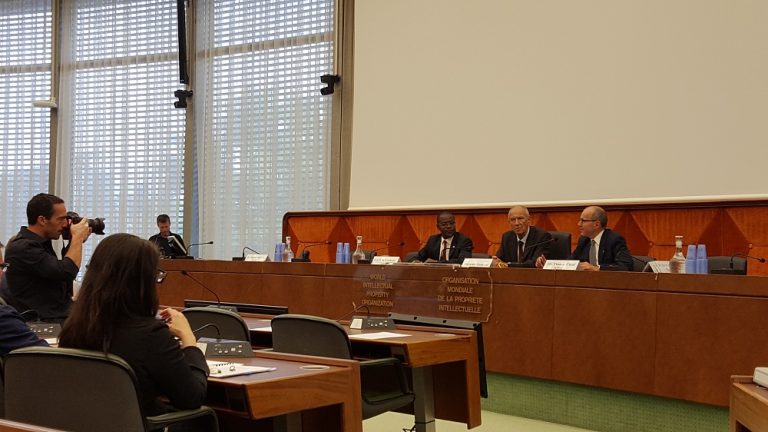
Today WIPO Director General Francis Gurry and Thomas Cueni, Director General of the International Federation of Pharmaceutical Manufacturers and Associations (IFPMA), signed an agreement establishing the Patent Information Initiative for Medicines, or “Pat-INFORMED,” during the General Assemblies of the Member States of WIPO taking place this week. IFPMA worked with Intellectual Property Watch to prepare a Q&A with Mr Gurry and Mr Cueni about this new initiative.

Interview With New Korean IP Commissioner Sung Yunmo

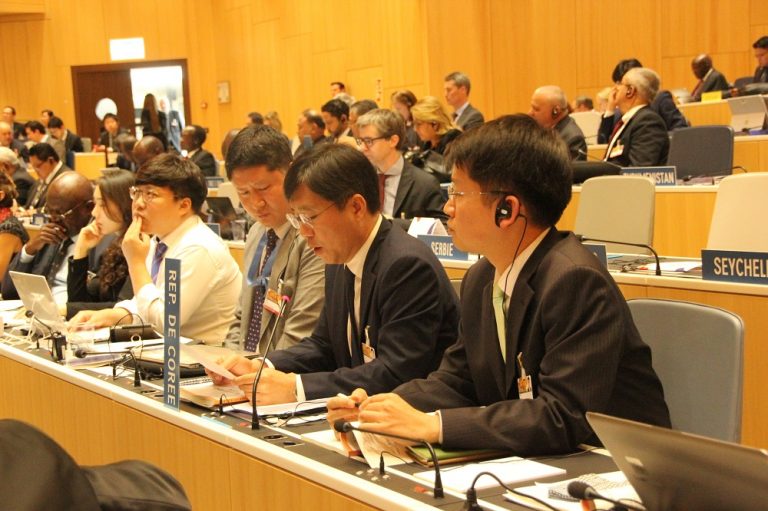
Korean Intellectual Property Office (KIPO) Commissioner Sung Yunmo took office a couple of months ago and is attending the annual World Intellectual Property Organization General Assembly this week. In that context, he sat down with Intellectual Property Watch, and in a Q&A mutually prepared Q&A, he described some of the policies and plans for his term of office, collaboration with WIPO, international partnerships, a proposed WIPO office in Korea, and regional efforts toward global harmonisation.

A Price Too Good To Be True

Steven Tepp writes: Virtually every consumer in every country wants products and services as inexpensively as possible. Nowhere is that demand more acute than in health care, where quality of life, and life itself, is at stake. In Europe, most national governments use the monopsony power of a single-payer national health care system to negotiate (or dictate) what prices they will pay, an activity that has been considered “anti-competitive” in EU private markets. And some governments simply issue price controls.

MSF Warns Of Threats To Public Health In Asian Trade Agreement IP Proposals

The 18th round of the Regional Comprehensive Economic Partnership (RCEP) trade agreement negotiations is taking place this week in Manila, Philippines. Health activists warn that Japan and South Korea are pushing for measures that go beyond international trade rules on intellectual property, including extending patent terms and data exclusivity in countries such as India, a primary source of cheaper generic medicines.