Intellectual Property Watch

Intellectual Property Watch

FAO Head Says Livestock Diversity Is Crucial For Future Food Security On A Harsher Planet

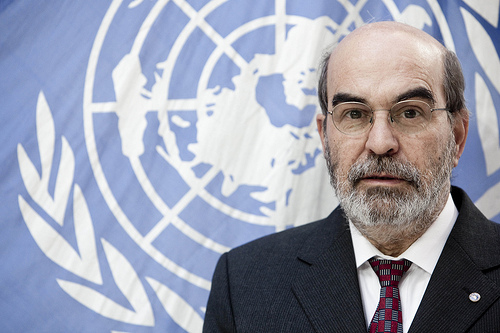
FAO Director-General José Graziano da Silva writes: Our livestock is increasingly being raised indoors and fed on concentrate feed that is often imported. Intensive production of chickens, pigs and dairy cows is based on a few breeds worldwide. These developments are risky, as we and future generations are losing the potential to adapt livestock production systems to increasingly harsh conditions such as those associated with higher temperatures and shortages of nutritious feeds.

A Look At The Marrakesh Treaty Ratification In Brazil

The Marrakesh Treaty, first of its kind, will enter into force three months after the deposit of the instruments of ratification or accession by 20 eligible countries. So far, thirteen have done so. Brazil, which was one of the main proponents and negotiators, deposited its ratification of the treaty on December 11, 2015, after the yearlong internal legislative process. The key question we are trying to face here is how the ratification of this treaty may impact Brazilian copyright legislation and the interpretation of the limitations.

Opportunities And Challenges That The Internet Of Things Creates

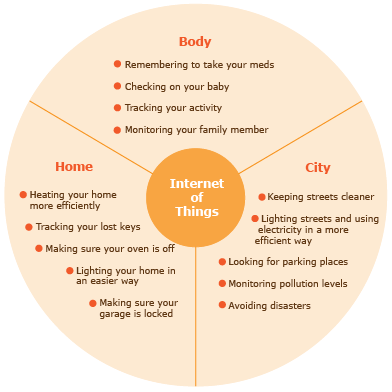
Over the past few years, we’ve seen paramount change in the way we access the internet – it started with desktops and soon shifted to mobile devices. But the world hasn’t been waiting for long to see it grow into something huge. Internet intelligence is now knocking at the door of our homes, cities, and businesses – this is what you’ve heard of as the Internet of Things (IoT).

How To Manage Patent Costs With Quality Applications, Accurate Translations

The number of patent applications filed worldwide continues to increase, up by 4.6 percent in 2014 for a total of nearly 2.7 million, according to the 2015 edition of the World Intellectual Property Indicators. The increasing number of patents filed worldwide demonstrates the strength of ongoing innovation and the value companies put on protecting their intellectual property where they wish to do business. The filing numbers would likely be even higher, and across more countries, if the filers were more prepared for the costs associated with filing patents.

50+ US Congress Members Urge Reasonable Licensing Terms For Government-Funded Medical Patents

More than 50 members of the United States Congress today sent a letter urging the US Department of Health and Human Services (HHS) and National Institutes of Health (NIH) to exercise their legal authority to require medical patents that have emerged from government-funded medical research projects to be licensed on reasonable and affordable terms for public use.

Colombia Asked To Declare Excessive Price For Cancer Drug Contrary To Public Interest, Grounds For Compulsory License

Colombia has a decision to make. A full year has passed from the November 24, 2014 request by iFarma, Misión Salud and CIMUN for a declaration of the public interest regarding the cancer drug imatinib (marketed by Novartis as Gleevec/Glivec), the first step on the path toward a compulsory license in Colombia. Thus far, Colombia’s Ministry of Health and Social Protection has failed to act one way or another, leaving patients in limbo and the government at the mercy of a Swiss pharmaceutical giant that reported revenue of over $57.9 Billion USD in 2013, write James Love and Andrew S. Goldman.