How To Avert The Coming Drug Access Crisis
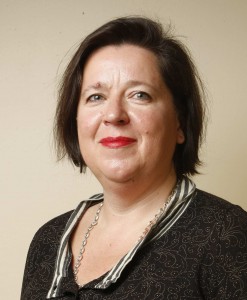 Interview With Ellen ‘t Hoen, Senior IP Advisor At UNITAID, author of "The Global Politics of Pharmaceutical Monopoly Power."

Original news and analysis on international IP policy

Interview With Ellen ‘t Hoen, Senior IP Advisor At UNITAID, author of "The Global Politics of Pharmaceutical Monopoly Power."
 Indigenous people and governments like the United States' may be able to help each other, especially when it comes to protecting traditional knowledge while also using it combat global crises like climate change, says Terry Williams of the Tulalip Tribes. But additional protection for traditional knowledge is needed.
 Results of recent research on the impact of digital rights management (DRM) on the ability of users to take advantage of certain exceptions to copyright have introduced new systemic empirical data into the debate.
 A new study shows a copyright exception for legalising file-sharing is feasible, as a cease-fire in the “war on copying” emerges. A new social contract between creatives and society is needed, says media sociologist Volker Grassmuck.
 The recent commem-oration of Earth Day and World IP Day raised the importance of IP rights to innovation and jobs, says David Hirschmann of the US Chamber of Commerce. How about calling it “Green Innovation Week”?
 Developing countries would do well to demand a place at the table as negotiations for an Anti-Counterfeiting Trade Agreement undermine the multilateral approach to intellectual property policy making, argues Michael Geist.
An interview with Marshall Phelps, Microsoft’s corporate vice president for intellectual property policy and strategy and a mastermind behind IBM’s and Microsoft’s massive IP valuations, and David Kline, journalist, author and intellectual property consultant, on their new book, "Burning The Ships," which looks inside Microsoft's IP strategy.
Sidney Rosenzweig of the Progress & Freedom Foundation writes that some countries, such as China, want to take advantage of new environmental technologies without having to pay, and are advocating the use of compulsory licences to access them.
Georg Greve of Free Software Foundation Europe makes the case that software fails a three-step test to determine patentability.

Bennett Lincoff writes: If Choruss abandons the time-tested approach of licensing and relies instead on covenants not to sue, it will facilitate a brazen money grab by the major labels it represents, leaving songwriters, recording artists and music publishers empty-handed, and college students holding the bag.