

Making The Case For Responsible Science For A Safe Environment
Innovation or “jugaad” has always driven the Indian economy. However, the last decade has been witness to an emerging paradigm shift to high-quality value-added innovation, writes industry lawyer Sunita K. Sreedharan.
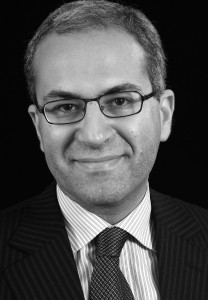 "Given that global copyright rules have acquired such a pervasive impact in many facets of our lives, their reform needs to take place through an open, inclusive and participatory consultation process where ‘all of us’ have a say," writes Ahmed Abdel Latif.
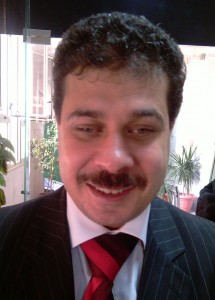 I'd like to introduce myself and put my personal experience in the hands of all concerned parties and people, hoping that this will help to give a better comprehension (explain) about the situation of blind people and to help reach an international treaty that will facilitate access to knowledge for people with visual impairments, writes law professor Mohammed Mohsin Abrahim El Nagaar of Alexandria University.
 The Intellectual Property Watch Monthly Edition features top news on international IP policymaking, the latest on who is coming and going in the international IP community, news briefs and more. The November edition is now available for subscribers at: http://www.ip-watch.org/user/newsletter.
 "Instead of re-hashing old debates about patents, patients and profits, forward-looking pharmaceutical executives should consider new ways of ensuring that medicines reach all patients who need them," writes John Erickson, one of the researchers who discovered the HIV medicine recently licensed by the National Institutes of Health to the Medicines Patent Pool.
  Daniele Dionisio writes: The current break-through of multinational drug corporations in India couples with the protectionist policies pursued by the US and EU and with India’s obligations as a WTO member. Taken together, these realities mean a heavy threat to India’s freedom as independent provider of lifesaving, affordable and state-of-the-art antiretroviral medicines to the resource-limited countries.
 A leading indigenous negotiator for a UN protocol on biodiversity access and benefit sharing says the process will likely yield a highly diluted, rights-poor protocol and that Indigenous Peoples' negotiating leverage is slipping.