Guest contributor

Guest contributor

Case Shows European Luxury Brands Must Be Popular In Japan To Be Protected There

In a recent decision, the Opposition Board of the Japan Patent Office dismissed an opposition filed by CFUB Sisley, a French producer of cosmetics and fragrances founded in 1976, against the word mark “SISLOY” written in a standard character. The case shows that the status of European luxury brand will not automatically enjoy broader scope of protection in Japan unless the brand obtains a high degree of popularity and reputation among Japanese consumers, writes Masaki Mikami.


Case Study – Building Effective IP Coverage Efficiently Within An International Engineering Conglomerate

This article describes how to build up an effective IP coverage for an international industrial conglomerate by defining the basic IP shield construction for all group companies, setting up IP generation programs and developing an IP focus while doing this efficiently by engaging the management into the IP decisions and managing the mix of internal and external IP service resources.

Did Monsanto Write Malawi’s Seed Policy?

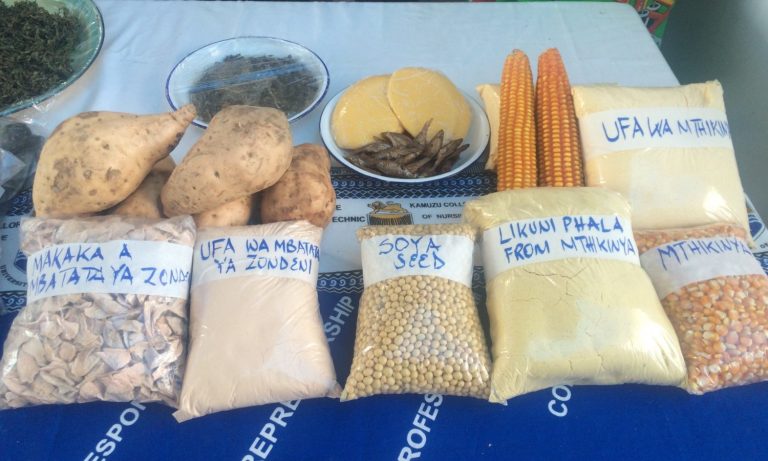
Tim Wise writes: In late July, a short article was published in a Malawian newspaper: “Press Release on Organization of Seed Fairs.” Issued by the Ministry of Agriculture, Irrigation, and Water Development, in conjunction with the Seed Traders Association of Malawi, the short statement advised the public that “only quality certified seed suppliers registered with Government to produce and/or market seed should be allowed to display seed at such events.” The release was signed by Bright Kumwembe for the Agriculture Ministry.

I received this news in the United States as I prepared a research trip to Malawi, and I was shocked. Malawi is in the final stages of a multi-year effort to reform its seed policy and laws, and the largest point of contention at this point is the failure of the draft policy to recognize and protect so-called “farmers’ rights” to save, exchange, and sell the seeds they grow on their farms.

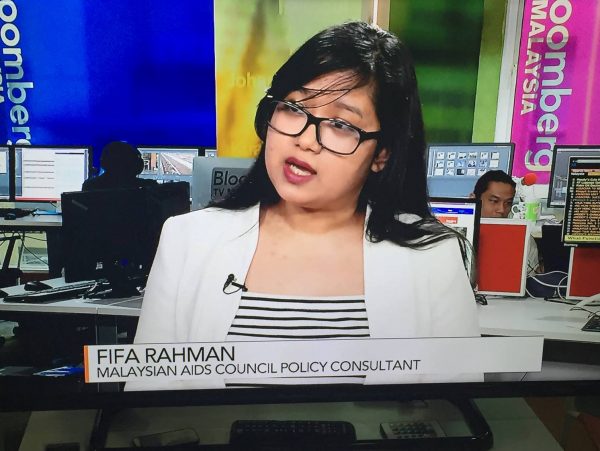
Fifa Rahman

Malaysia Inclusion In Gilead Voluntary Licence – A Product Of Compulsory Licence Pressure

Gilead’s announcement today that they would include four middle-income countries (Malaysia, Thailand, Belarus, Ukraine) in their sofosbuvir voluntary licence was a welcome surprise, and will enable millions access to their highly effective, but exorbitantly priced, drug. The decision to include these countries, however, no doubt is a response to increasing pressure from within these countries to either issue a compulsory licence (CL) or a government use licence (GUL), invalidate the sofosbuvir patents, or block data exclusivity for the drug.

Information, Access, And Development: Setting A Course For The Sustainable Development Goals

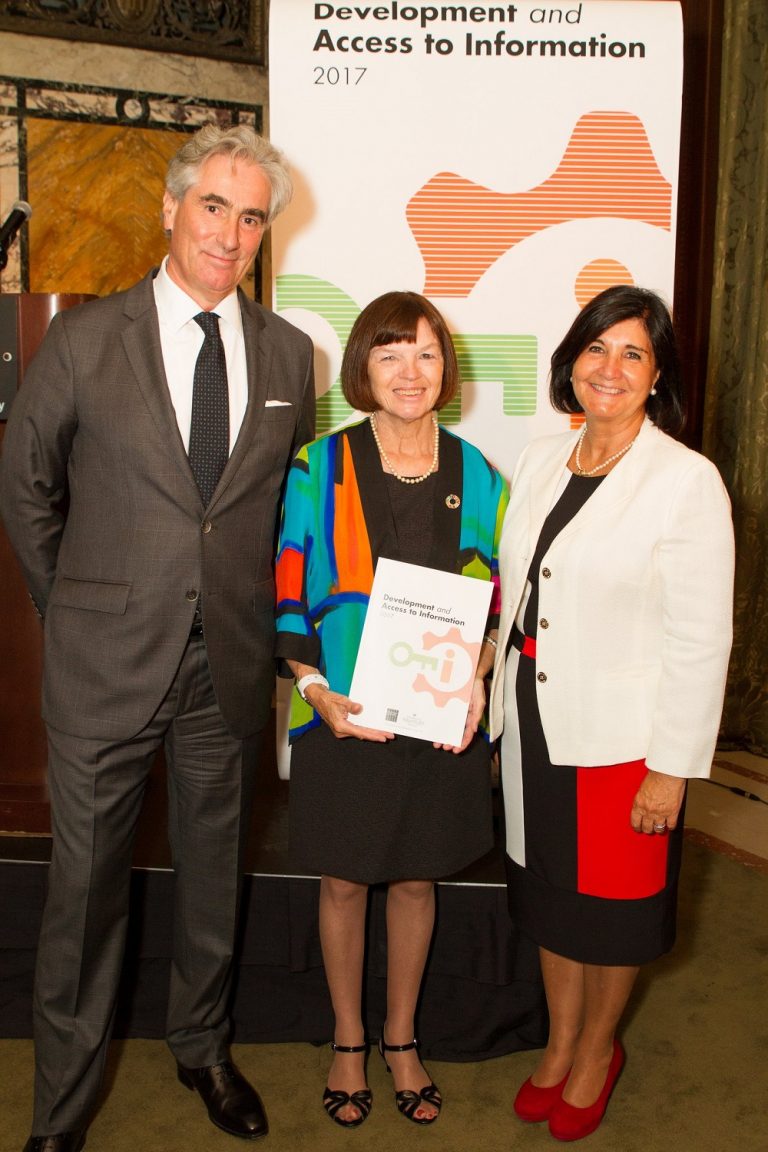
Gerald Leitner writes: Information is the raw material for decision-making. When individuals and groups make the right choices, based on good information, their chances of taking a full role in economic, social, cultural and civic life improve. They can better create and innovate, participate in politics, find and do their jobs well, and live healthily.

Informed citizens and communities are also essential to the UN’s 2030 Agenda. We cannot have sustainable development when individuals are not able to deal with new choices and challenges autonomously, drawing on access to information. And we cannot have inclusive development, with no-one left behind, unless this access is real and meaningful for everyone.

Libraries have long sought to do this, making sure that the world’s heritage is preserved and made accessible, allowing the sharing of knowledge between institutions and across borders, and giving children, families, students and others the chance to enjoy works which they could never afford to pay for individually.

Why Fair Dealing Is Not Destroying Canada Publishing

For the past few years, publishers around the world have engaged in a sustained campaign to hold up Canada as proof that making fair dealing more flexible for education will hurt publishers. Those efforts rarely tell the whole story: that paid access remains the primary source of materials in Canada, that educational copyright policies in Canada are primarily a function of court decisions not copyright reform (the emphasis on fair dealing came before the 2012 reforms), that global publishers were reporting marketplace challenges that have nothing to do with copyright, that Canadian publishers that supposedly stopped publishing were still in business, that court affidavits from Canadian publishers focus on many concerns other than copyright, and that a study from one Canadian publisher association highlighted issues such as open access and used book sales. University of Ottawa law professor Michael Geist expands on the reality of Canadian publishing and copyright law.

US, European Views On IP Management And Digital Business

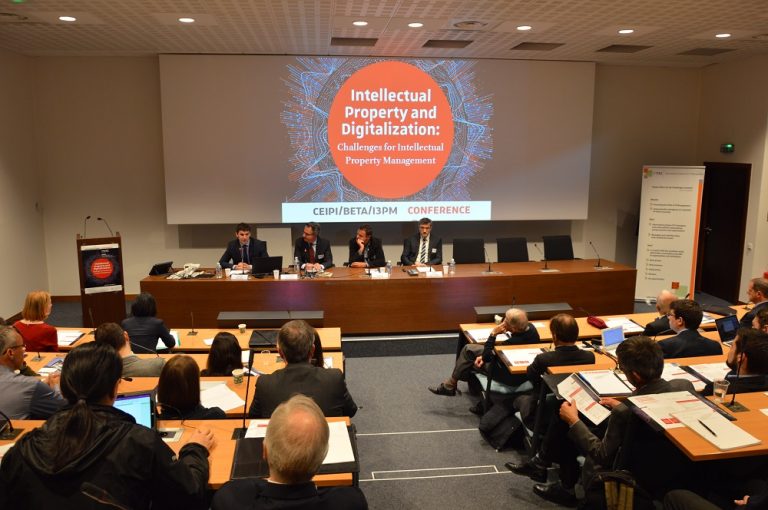
Data-driven technologies are enabling the expansion of trade and data flows around the world. We have disruptive smart products, smart industrial processes, smart clouds and smart services. Traditional industries such as pharmaceuticals, chemical and mechanical engineering digitally transform production processes to generate custom-tailored services and improve competitiveness using artificial intelligence while new companies emerge with disruptive offers. Such artificial intelligence-based business models, however, are bringing about a rethinking in European regulations in relation to copyrights, such as that deployed by DeepMind and Pinterest, for instance, because machine learning may reproduce countless amounts of proprietary content to generate raw solutions. A recent event in Paris delved into these and other issues, including data ownership and access rights, as well as inventions by computers.

To Print Or Not To Print: Innovation And IP Issues In 3D Printing

3D printing used to be an expensive product design tool, but it is quickly becoming an affordable and accessible technology. First emerging in the 1980s, the availability of low-cost, high-performance 3D printers has put the technology firmly within reach of consumers. While this provides a number of opportunities for designers and manufacturers, there is also concern around the impact on IP rights, writes Jia Li.

Course Packs For Education Ruled Legal In India: Triumph For Access To Educational Materials

On 9 May 2017, a five year court battle between publishers and universities finally came to an end when the Supreme Court of India dismissed an appeal by the Indian Reprographic Rights Organization (IRRO) challenging an earlier judgment of Delhi High Court that ruled course packs in India legal for educational purposes.

In a case that gained wide international attention, issues such as the cost of textbooks in India were raised, students agitated for fair access to educational materials, and the jurisprudence on copyright in India has taken a leap forward. In this guest blog, Anubha Sinha, Programme Officer on Openness and Access to Knowledge at the Centre for Internet and Society India, discusses the judgment in the case known as the ‘Delhi University photocopy’ case, and what it means for access to educational materials in India.

Lessons From South Africa: Protecting Non-Expressive Uses In Copyright Reform

Matthew Sag and Sean Flynn write: This week, the South African Parliament began accepting comments on its pending Bill proposing to amend the South African Copyright Act to align it with the digital age. We and other experts and civil society organizations submitted comments praising many of the Bill’s provisions and proposing that it adopt an “open” fair use right. Here we focus on one major reason to adopt an open fair use right – to authorize so-called non-expressive uses of works. We conclude with some reflections on how international law could help in this regard.