Catherine Saez

Catherine Saez

UN Study: GIs Could Open New Markets For Poor Countries If Financing, Training Provided
A new study by the United Nations Conference on Trade and Development (UNCTAD) finds that geographical indications could open the way to lucrative export markets for least-developed countries. The study calls for UN agencies to support those countries in their effort to develop GIs and diversify their exports, but warns about the need for capacity building and financial help, and raises biodiversity concerns of GI intensification.

UNAIDS Board Carries Forward Multi-Agency Work On IP Barriers To Medicines Access

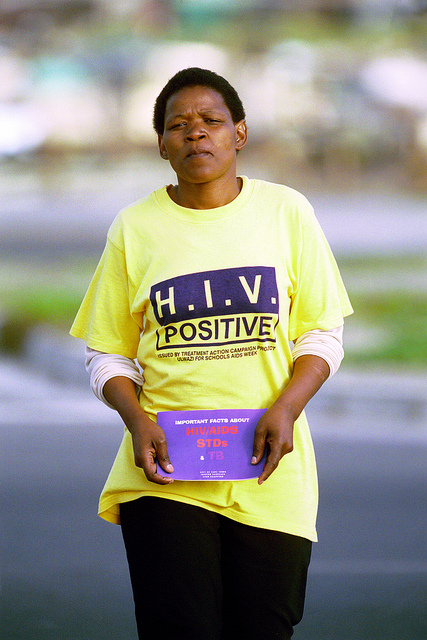
A meeting of the Board of the Joint United Nations Programme on HIV/AIDS (UNAIDS) has concluded with a set of decisions (attached) showing that the Board went farther than just noting the UNAIDS secretariat report on intellectual property-related barriers preventing access to medicines. And the Board, after lengthy discussions, also called on UNAIDS to facilitate discussions on the high-profile report of the United Nations Secretary-General’s High-Level Panel for Access to Medicines.

UNAIDS Board Considers Recommendations On Access To Medicines

The Board of the Joint United Nations Programme on HIV/AIDS (UNAIDS) this week is considering a report calling for the 11 cosponsor agencies of the programme to follow the recommendations of the UN Secretary General’s High-Level Panel on Access to Medicines to improve policy coherence, and to produce reports on the use of intellectual property at country and regional levels, including the use of flexibilities.

Proposed EU Neighbouring Rights For Press Publishers Detrimental To Authors, CEIPI Says

According to the Centre for International Intellectual Property Studies, the proposed European Commission copyright reform is detrimental to authors' interests, and contrary to the objective of creating a single digital market.

Will The Voice Of Indigenous Peoples Disappear From WIPO Discussions To Protect Their Knowledge?

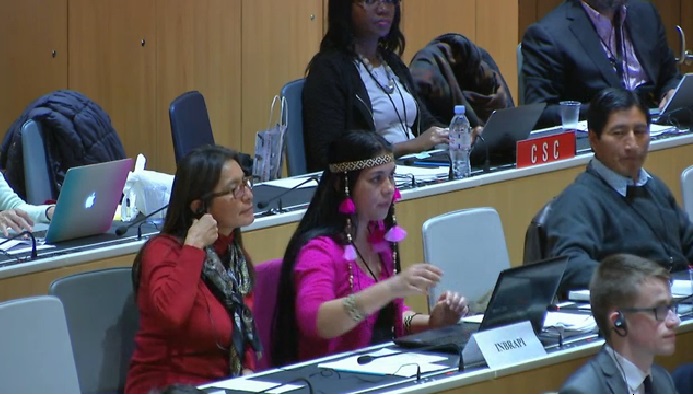
What would be the credibility of the World Intellectual Property Organization committee negotiating a system of protection for traditional knowledge held by indigenous peoples, if none of their representatives could participate in the meetings? That has been a recurring question asked by indigenous peoples and the organisation over the years. But now, if no voluntary contributions are made by governments or others, the next committee meeting could very well be first in 16 years held without a single observer from an indigenous community.

US Patent Office 2016 Humanity Awards Go To Health-Related Inventions

The winners of the 2016 Patents for Humanity Award of the United States Patent and Trademark Office this year are recognised for providing global disease solutions. The inventions relate to malaria, vaccines, a life-threatening pregnancy complication, and meningitis.

WIPO Committee On Traditional Knowledge Agrees On Revised Text For Further Discussions

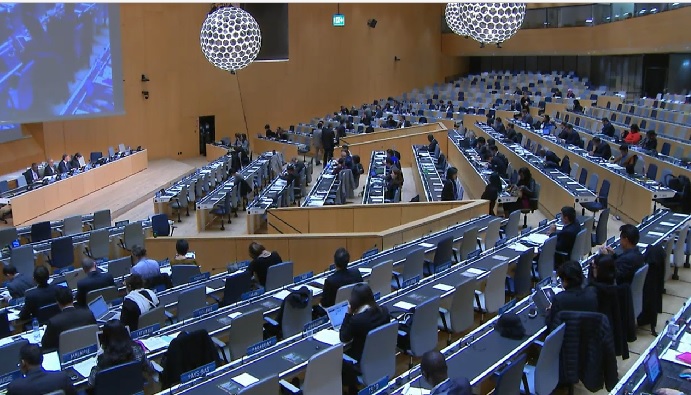
World Intellectual Property Organization delegates last week agreed on a revised set of draft articles to be further discussed at the next session of the committee working on a potential treaty to protect traditional knowledge. Views differed on the achievements of the week. For the proponents of a binding treaty, the text reflects a better understanding of issues, and some reduction in differences. However, for some developed countries not in favour of a treaty, gaps are still wide open and much work remains.

Non-Corporate Entities Join Forces Against Adoption Of Plant Breeders’ Rights Regulations In Africa

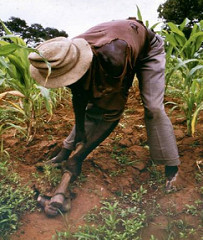
The United Nations Special Rapporteur on the Right to Food, civil society, and farmers' representatives have raised serious concerns on the upcoming adoption of draft regulations of a protocol protecting breeders' rights in Africa. Civil society groups and farmers' representatives have been blocked from participating in the meeting expected to adopt the regulations, according to them. The Special Rapporteur is calling for a halt to the process, and for starting again with a more transparent, inclusive, and evidence-based process.

Popcorn, Football And Chocolate – US Idea To Prompt Discussions At WIPO TK Committee

What do popcorn, chewing-gum, football, syringes, and chocolate have in common? According to a United States paper tabled at the World Intellectual Property Organization, they are all rooted in traditional knowledge. While most efforts are geared this week towards trying to find consensual language on a treaty protecting traditional knowledge, the US said a discussion on what is protectable and what is not would be instructive. Some other delegations resubmitted proposals introducing alternative means of protection than a binding instrument.