Catherine Saez

Catherine Saez

Least Developed Countries Ask For Better Implementation Of TRIPS Tech Transfer Requirements
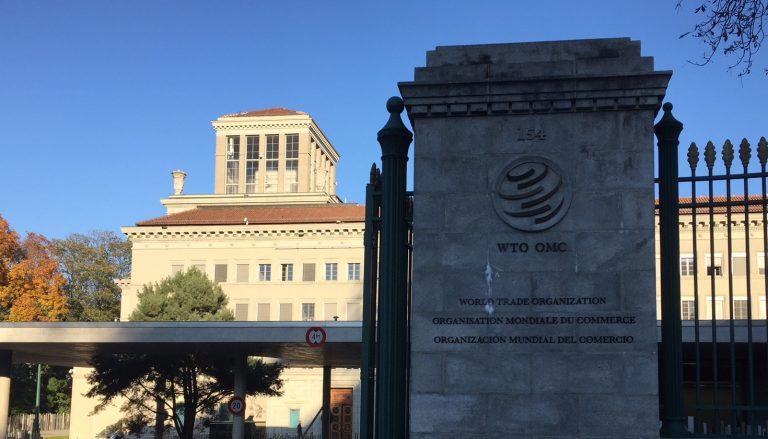
The World Trade Organization council on intellectual property rights will hold the first of its three annual meetings next week. The now-usual item on IP and innovation is joined by a discussion topic on IP and the public interest. Separately, the WTO least developed countries group has put forward a request that developed countries fully implement their technology transfer requirements under the WTO rules. The council meeting will be preceded by a high-level trilateral meeting of the WTO, World Health Organization and World Intellectual Property Organization.

Rising Patent Applications – And Challenges – For New Technologies, Artificial Intelligence

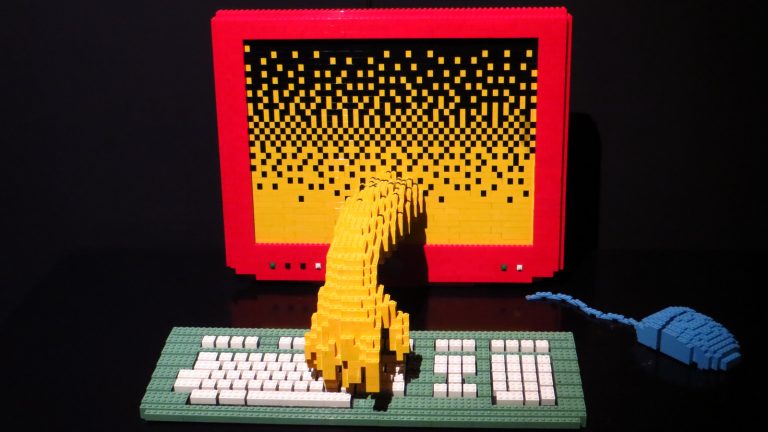
The steady increase in innovations relating to new digital technologies, in particular technologies using artificial intelligence, is matched by an upward patenting trend. The European Patent Office recently issued a study on the subject and is preparing a conference in May, while the World Intellectual Property Organization is working on its own in-depth study. However, the current patent system might not be ready for artificial intelligence-related inventions, according to a global standards-setting body.

Patenting Artificial Intelligence Might Hamper Progress, EFF Says

The Electronic Frontier Foundation launched a project last year to measure progress in artificial intelligence innovations and understand the legal, political, and technical issues potentially raised by those inventions. Some eight months later, the project has tracked rapid progress of those technologies, in particular in machine learning. According to the foundation, patents might be hampering the progress of artificial intelligence, and with the risk of patent trolls claiming rights on patents on machine learning systems.

New Chair’s Text On WIPO Broadcasting Treaty Reflects Country Proposals

The chair of the World Intellectual Property Organization committee on copyright issued revised language last week on core articles of a potential treaty protecting broadcasting organisations against signal piracy. The document shows a trimmer set of different proposals by countries during informal discussions to address issues such as what the treaty should protect, which rights should be granted, and who should benefit from such rights.

Do We Need A Global Body To Set Priorities For Diseases And Research?

A recent panel of health experts gathered at the hallowed Swiss Intellectual Property Institute in Bern (which counts Albert Einstein among its alumni) tackled some of the toughest questions facing global health policymakers with an eye toward actually solving them and not just restating polarised positions. One of the ideas discussed at the event was how priorities for diseases and research are handled at the global level.

On IPR, Major US Trading Partners In Firing Line Of US Industry, While Cancer Patients Ask For Access

Every year at this time, the Office of the United States Trade Representative collects comments from stakeholders for its review of how well US trading partners are behaving when it comes to protecting and enforcing the intellectual property rights of US companies. Pharmaceutical companies and an alliance of rights holding industries came prepared with a list of countries to be put on special watch lists, including Canada, Brazil, India, Malaysia, and Switzerland. A patient group, on the other hand, asked that trade interests not supersede access to medicines worldwide.

Leadership And Change: An Interview With Medicines Patent Pool Board Chair Marie-Paule Kieny

The unexpected announcement in December of the resignation of the Medicines Patent Pool executive director left the Pool searching for its new head. Marie-Paule Kieny, former World Health Organization assistant director general, now chair of the MPP governance board stepped in to oversee the MPP while the search goes on. She sat down recently for an interview with Intellectual Property Watch to explain that MPP is conducting business as usual, and is keeping firm in its plan to release the results of a feasibility study analysing the possibility for MPP to extend its licensing activities to other essential medicines still under patent.

WHO To Help Countries With Price Transparency, Regulation, TRIPS Flexibilities

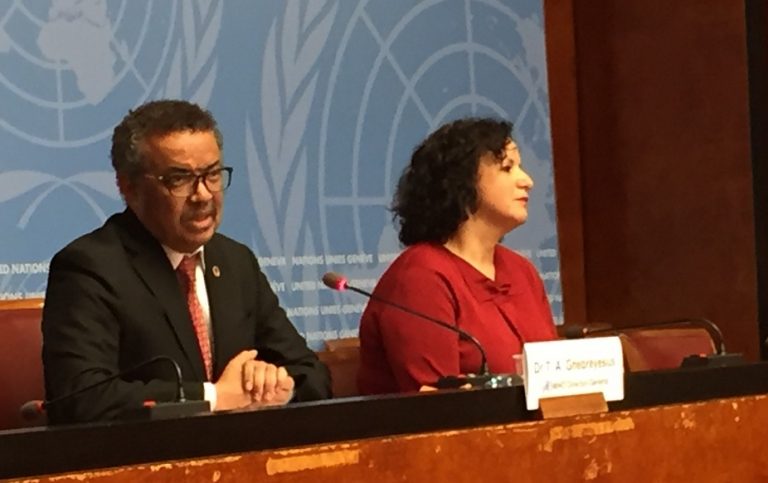
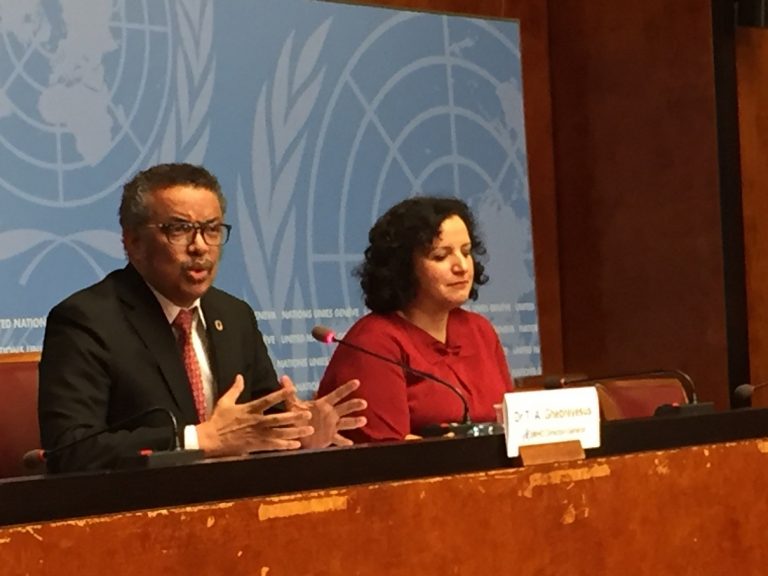
World Health Organization Director General Tedros Adhanom Ghebreyesus (Dr Tedros) held a press conference yesterday to present progress made since his election last May. His office answered a follow-up question today from Intellectual Property Watch on access to medicines and how the organisation could help countries to do a better job.

WHO Director Presents The Press With Progress Report, Answers Tough Questions

Following a promise made at the beginning of his tenure to meet with the press regularly, World Health Organization Director General Tedros Adhanom Ghebreyesus (Dr Tedros) held a press conference today to paint a picture of what has been done under his leadership for the last seven months. He highlighted the establishment of the WHO General Programme of Work for 2019-2023, the quest for a new resource mobilisation strategy, measures taken on emergencies, and the push for universal health coverage. He also answered questions about the WHO nomination of President Mugabe that was cut short, and an appointment in his leadership team.

Medicines Innovation And Access: Swiss Stimulate New Thinking

BERN, Switzerland -- What if reaching the United Nations Sustainable Development Goals on access to health for all depended on the willingness of all actors to see beyond outdated dichotomies? The concept may seem obvious, but is easier described than done. In an effort to break silos, the Swiss Federal Institute of Intellectual Property (IPI) brought together stakeholders of all sides last week to discuss how to harness political and economic will to achieve innovation leading to new medicines that are available and affordable for all in need.