Catherine Saez

Catherine Saez

WHO, World Bank Say Half The World Population Cannot Access Essential Health Services

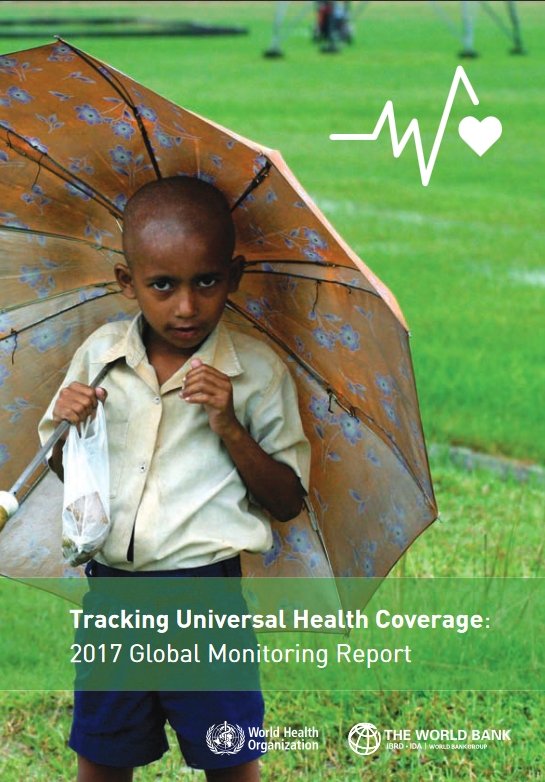
According to a report released today by the World Health Organization and the World Bank, at least half the world's population is lacking access to essential health services. Out of pocket expenses related to health care are pushing millions of people into extreme poverty each year, the report says. Both organisations say they are committed to working with countries to increase access to essential health services.
Patents And Health Under Discussion At WIPO This Week: What Role For The UN IP Agency?

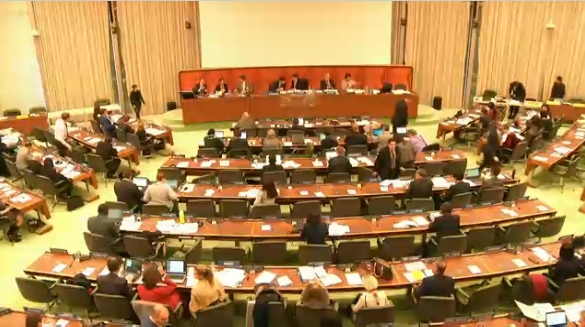
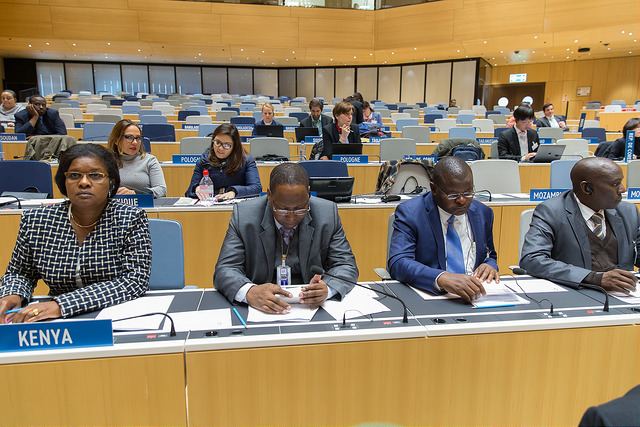
Patents are often involved in public health policy discussions, and are considered by some as playing a major role in the escalating prices of new medicines, creating access issues. The World Intellectual Property Organization committee on patent law this week is discussing the issue and is holding information sessions by the Medicines Patent Pool, World Health Organization, and the World Trade Organization.

Medicines Patent Pool Expands Its Patent Database To Cancer Treatments

The Medicines Patent Pool (MPP) announced today that MedsPaL, its database of information on the patent and licensing status of selected HIV, hepatitis C, and tuberculosis medicines, now extends to patented treatments on the World Health Organization Model List of Essential Medicines. New patents data include medicines for leukaemia, breast cancer and other cancer indications.

WIPO Committee On Development and IP Agrees On Future Work, Keeps Several Issues Open

The World Intellectual Property Organization Committee on Development and Intellectual Property in its latest meeting agreed on a list of items to be discussed at its next session. No consensus was found on a potential biennial conference on IP and development, but discussions are set to continue. The committee also agreed to a suggestion to invite the team conducting an independent review on the implementation of the Development Agenda Recommendations to further explain some of their own recommendations.

Global Biotech Industry Tests Policy Waters In Geneva

A delegation of heads of biotechnology companies visited Geneva this month to present the International Confederation of Biotechnology Trade Associations (ICBA). The ICBA was created in 2012, but is now looking to make its voice heard in Geneva and inform policy discussions, and is finding it is not easy to become an observer in some organisations. They also underlined the importance of intellectual property for the biotech sector, in particular to attract indispensable capital. The delegation sat down with Intellectual Property Watch’s Catherine Saez to talk about their Geneva visit.

Buenos Aires Ministerial Not The End Of The Road, WTO Director Tells Reporters

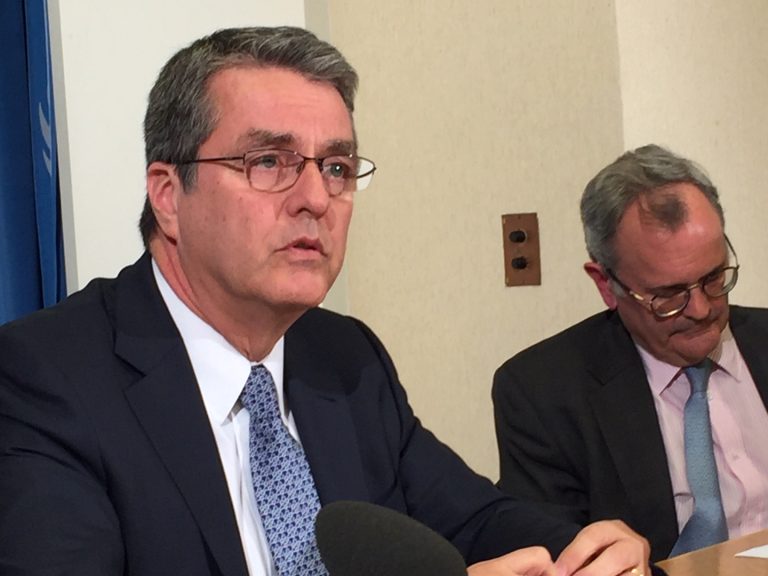
The road to the World Trade Organization ministerial conference in Buenos Aires, Argentina, starting in a couple of weeks does not seem to be a walk in the park, as they say. WTO Director General Roberto Azevêdo, in a press briefing today [27 November], explained what can be expected from the 11th ministerial conference. He said consensus is escaping many issues, but Buenos Aires is not the end of the road, but rather one more step in the direction of trade liberalisation.

WIPO Development And IP Committee This Week: Agenda Includes Flexibilities, Tech Transfer, SDGs, Studies

Following a session in May hailed as the most positive in years, the World Intellectual Property Organization Committee on Development and Intellectual Property reconvenes this week. Among items to be discussed are a revised proposal by the African Group to convene a biennial international conference on IP and development, how to deal with the United Nations Sustainable Development Goals, and recommendations of an independent review of the implementation of the 2007 WIPO Development Agenda Recommendations.

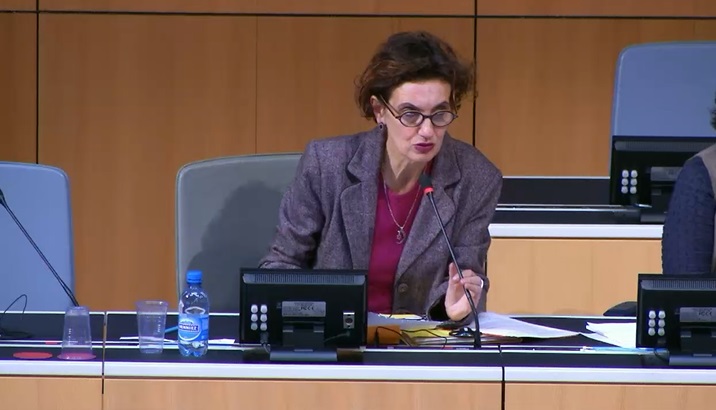
‘The WHO Does Not Have A Board’: New WHO Director Pushes To Make Agency More Efficient

World Health Organization Director General Tedros Adhanom Ghebreyesus (Tedros) admonished member states at the close of this week’s special session of the WHO Executive Board charged with examining the agency’s draft work programme for 2019-2023. A trust deficit among member states leads to the multiplication of national statements, impeding efficiency, he said. Meanwhile, a number of countries called for affordable and accessible medicines, and help to manufacture generic medicines locally, while the United States pushed the role of the private sector.

Breeders Group CIOPORA Calls For New Plant Varieties To Be Patentable

A new “position paper” by a plant breeders industry group revives the argument that plant-related inventions should be patentable. New plant breeding techniques modifying the plant genome are not essentially biological processes, thus should be patentable, the paper says. The group also calls for a worldwide harmonised research exemption on plant variety rights and patents for the purpose of improving the invention.

WHO Members Delve Into Draft 5-Year Work Programme, Question Finance, Focus

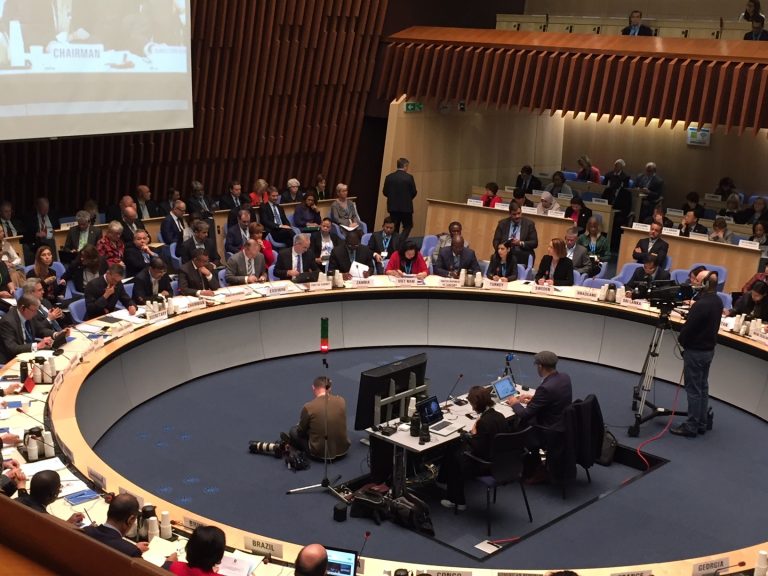
World Health Organization member states’ first reactions to the secretariat-proposed draft work programme for the next five years were mixed this morning. Although many praised the effort and the vision of the programme of work, in particular its alignment with the United Nations Sustainable Development Goals, a number of countries found the programme ambitious without the needed financial backing, and sometimes straying from the core function of the organisation.

Artist Resale Right Does Not Seem To Affect Art Market, Economic Study At WIPO Says

A few days after a Leonardo da Vinci painting shattered the record for the most expensive artwork ever sold at Christie’s auction house in New York, the question of resale right for visual artists was discussed at the World Intellectual Property Organization. According to researchers, the establishment of a resale right in a particular country, which benefits the artist when her work is resold at a much higher value, is likely to have no negative effects on the country’s art market. The United States and China, the two largest global art markets, have not implemented the resale right yet.