

By Masaki Mikami
On 26 September, the Japan Patent Office (JPO) announced, for the first time ever, the grant of protection to three sound trademarks consisting solely of a sound element.
- TM Application No. 2105-29809 for a sound mark played by trumpet
Applicant: Taiko Pharmaceutical Co., Ltd.
Class 5 – Medicines
Mark
 https://www.jpo.go.jp/seido/s_shouhyou/files/otoshouhyou-hatsutouroku/2015-029809.mp3
Taiko Pharmaceutical, a Japan-based pharmaceutical company, is famous for the gastrointestinal medicine “Seirogan” distributed in the marketplace for more than seven decades. The mark is an iconic sound logo of the medicine. We can hear the sound in TV commercials. https://www.youtube.com/watch?v=x6MK9pCWkG4
- TM Application No. 2015-29981 for famous Intel’s sound logo
Class 9 – Microprocessors
Mark
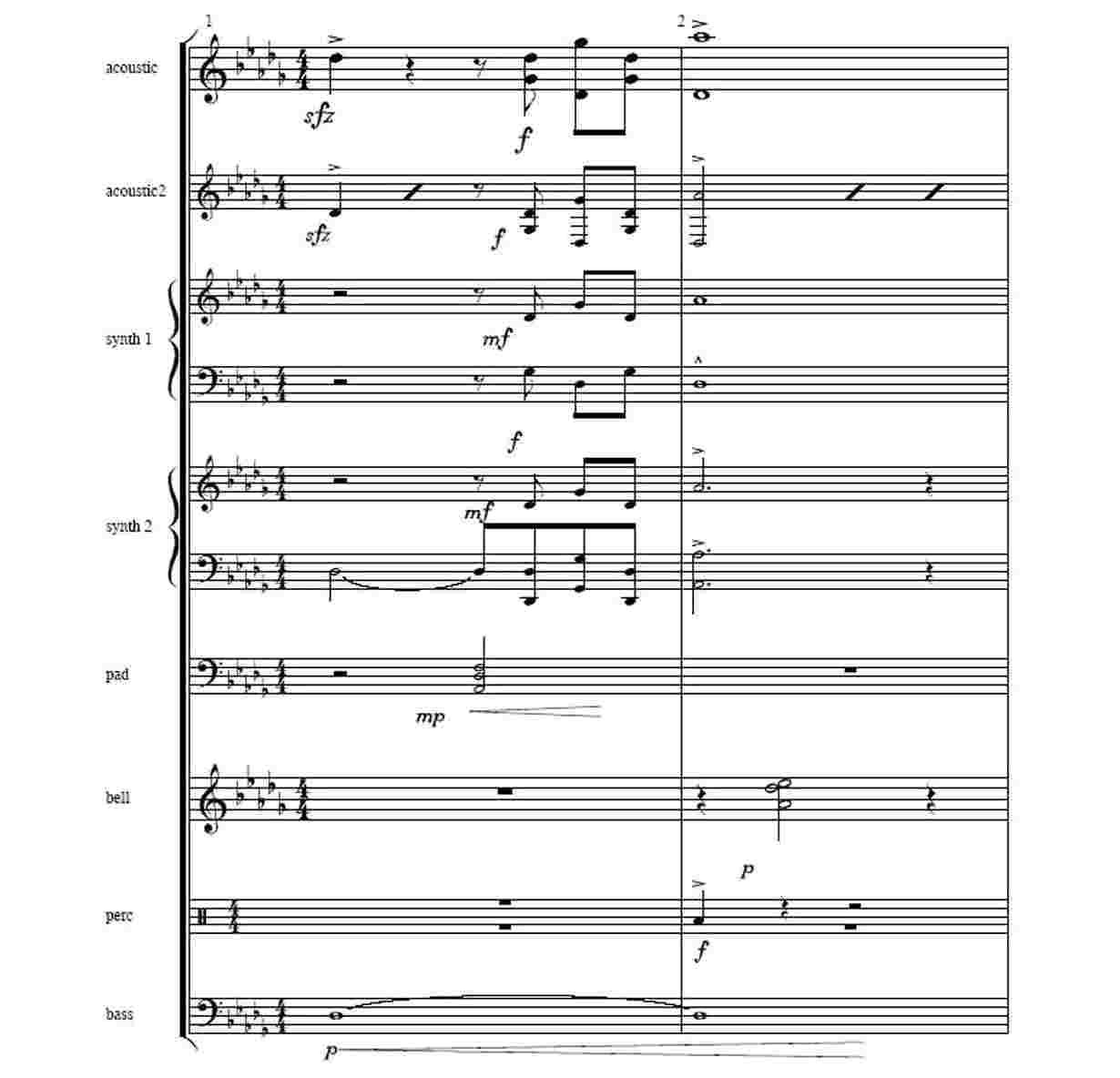
https://www.jpo.go.jp/seido/s_shouhyou/files/otoshouhyou-hatsutouroku/2015-029981.mp3
Perhaps the most memorable and recognizable sound brand we can think of is Intel inside sound logo. It’s been used at the end of their commercials. There is a rumour that the original concept of “Intel inside” was invented during promotional activities in Japan. “Intel haitteru”, meaning “Intel in it”, is the very original term well-known among Japanese consumers as well. “haitteru” rhymes with “Intel” at the latter part of the sound, also implies a meaning of “inside”.
- IR No. 1177675 for the new BMW sound logo
Class 12 – Automobiles and parts thereof, included in this class.
Mark
The new BMW sound logo is the result of an agency pitch held in 2012 and a subsequent process of precise fine-tuning. It is characterized by a memorable melody produced from an innovative sound mixture (sound elements recorded forwards and backwards) which achieves a high degree of recognisability; the melody is preceded by a swelling sound, prepared by two striking, bass-driven accents and leading up to a shimmering, refined conclusion; this combination stands for the joy of progress, technology and pleasure-oriented driving.
The self-assured, well-grounded tonality of the sound logo thereby created emphasizes the innovative strength and dynamics of the BMW brand, thereby establishing a general automobile context. In this acoustic design, sounds played forwards and backwards are used symbolically as elements of flexible mobility. The tonality is both self-assured and firmly grounded; an extravagant tonal style conveys the joy of progress, technology and pleasure-oriented driving; the following is a graphic reproduction (shown in sheet music form) of the BMW sound logo.
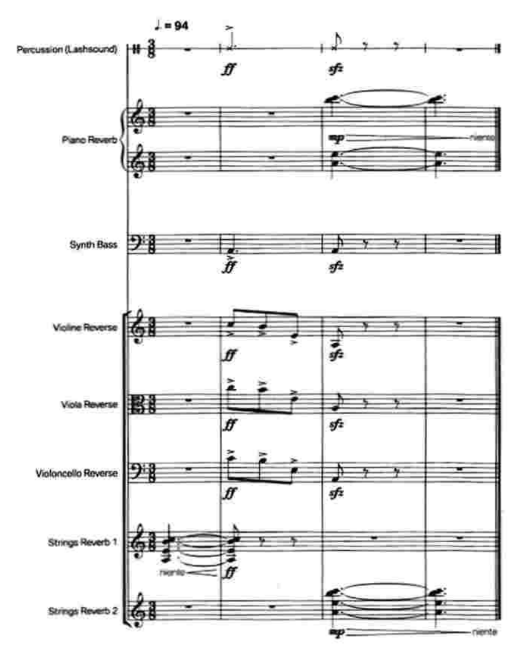
https://www.jpo.go.jp/seido/s_shouhyou/files/otoshouhyou-hatsutouroku/1177675.mp3
From April 2015, the JPO began accepting applications for the registration of sound mark.
So far, 566 sound marks are applied for registration for the past two years. Among them, 172 sound marks are registered already. According to the announcement from JPO, the above three cases are the first sound marks solely consisting of a sound element.
Mostly, registered sound marks are a combination of sound element and linguistic element (lyrics). Where an applied sound mark contains distinctive linguistic element accompanying melody or rhythm, the JPO finds no reason to negate distinctiveness of the entire mark regardless of insufficient distinctiveness of the sound element itself.
In that meaning, above three sound marks are theoretically entitled to enjoy protection over the sound element. Unauthorized use of the sound itself constitutes trademark infringement even if the sound accompanies lyrics.
Masaki Mikami is a qualified IP attorney in Japan since 2003. Masaki has fourteen years of legal experience in the area of trademark law. Before that, he has global marketing experience for a decade. Masaki Mikami’s blog http://blog.marks-iplaw.jp/
Image Credits: JPO