Data Collection For AI Solves Problems, Helps Researchers, Panellists Tell UN-Led Event
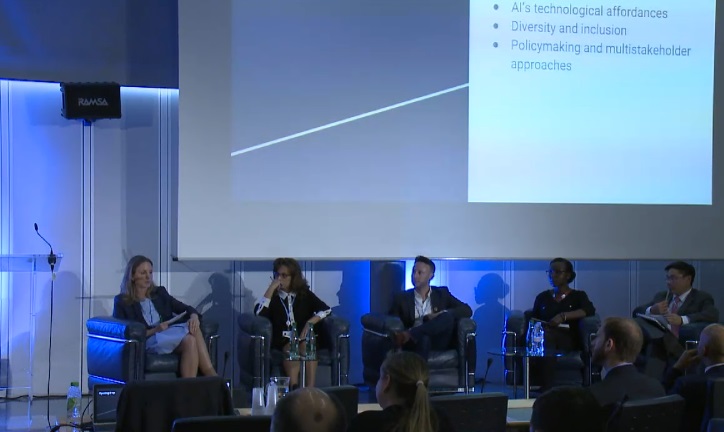
At a time when data collection has become a prickly subject and public defiance against large data-collecting companies such as Facebook, Google or Amazon has risen, a UN-led international summit on artificial intelligence this week sought to present the potential of the new technology in solving global problems. Data is the basic fuel of artificial intelligence, and panellists at the event showed how data collection has led to problem solving. For instance, the Chan-Zuckerberg Initiative hopes to give biomedical researchers the ability to tap into the global conversation and browse some 200 years of research.
TRIPS Flexibilities In High Demand

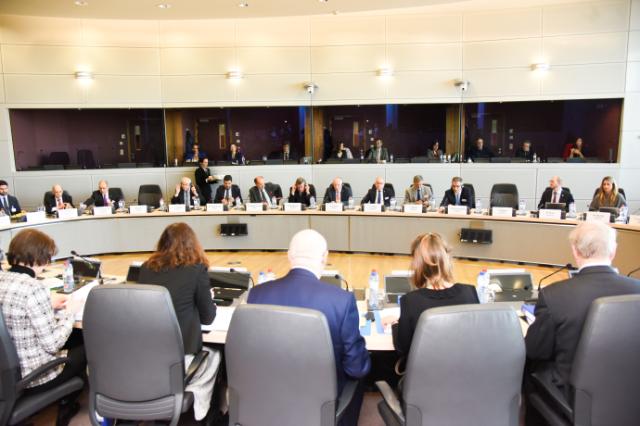
Using flexibilities in the World Trade Organization Agreement on Trade-Related Aspects of Intellectual Property Rights (TRIPS) has long been an issue of the developing world. But policymakers gathered at a meeting on access to health in Brussels today said there was an urgent need for European Union countries, too, to make more use of flexibilities.

Groups Target EU-Mercosur FTA To Advance Access To Health In Trade Deals

AIDS activists, health activists and civil society organizations in Brazil and Argentina are pushing back against the negative effects of the planned free trade agreement between the Mercosur countries and the European Union. The EU-Mercosur negotiations might be the best chance as of now to advance an intellectual property agenda that is more favourable to access to health, says Pedro Villardi, coordinator on IP policy issues at the Associação Brasiliera Interdisciplinar de Aids Observatorio National de Politicas de Aids (ABIA).

Artificial Intelligence For Good: 3 Days To Discuss AI Solutions

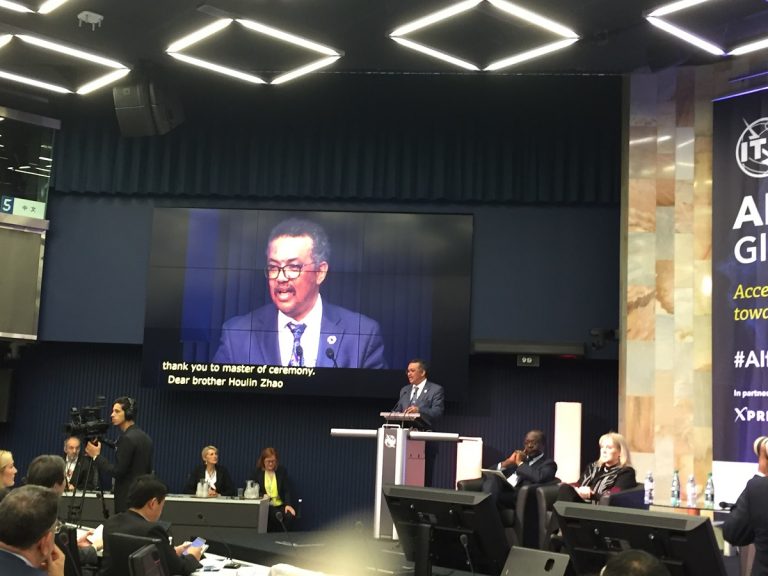
The second edition of an annual global summit on “artificial intelligence for good” spearheaded by the UN International Telecommunication Union opened today. A focus of the summit is how artificial intelligence can help advance the United Nations Sustainable Development Goals. The opening statements by UN heads, including the World Health Organization, showed growing interest in new technology to help in all kinds of areas such as health and agriculture.

UN Meeting Opens On Impact Of Science And Technology On Humanity

A United Nations meeting gathering ministers, high-level representatives, scientists and technology experts opened yesterday with a discussion of the impacts that rapid innovative trends in science and technology have on development, the UN Sustainable Development Goals (SDGs), and humanity itself.

WIPO Development Committee Opens With Focus On SDGs, Tech Transfer, New Projects

The World Intellectual Property Organization Committee on Development and Intellectual Property opened today with an agenda of issues such as the development dimension of IP, technology transfer, and how WIPO can participate in the achievement of the United Nations Sustainable Development Goals. Meanwhile, new development projects proposed for WIPO work would focus on women, software, and tourism.

Trump Declares Intent To Stop Pharma Companies From ‘Gaming’ Patent System

US President Trump today declared in a White House speech his intent to "take steps" to lower drug prices by stopping "gaming of regulatory and patent processes by drug makers to unfairly protect monopolies," as well as increasing price transparency and promoting biosimilars and generics. But to do this, his administration will take on what it sees as "freeloading" on US innovation by foreign governments, and addressing "unfair" intellectual property and market access policies in trade agreements.

Brazilian Superior Court Of Justice Stops Patent Term Extension Attempts

Pedro Marcos Nunes Barbosa writes: In April 2018, the Brazilian Superior Court of Justice (STJ) ruled on a controversial patent term extension scheme, for the third time since Brazil adopted TRIPS compliant legislation in 1996. The first ruling on this topic, upheld by the STJ, was decided, unanimously, in the year 2009 (docket REsp 960.728, Justice Andrighi). In that case, a famous agrochemical multinational company sought an exotic interpretation of the impacts brought by the minimum deadline granted to a patent, since the WTO’s annex treaty imposed the uniform extension of 20 years. In other words, although the agrochemical company had obtained its exclusivity right in a pre-TRIPS context (where Brazilian Law guaranteed a 15 years property right), but unsatisfied, after the Agreement was implemented, the plaintiff requested a judicial pass for a five year extra period of competition absence.

OECD Issues Paper On Blockchain And Competition Policy

The disruptive blockchain technology has been making waves, especially with Bitcoin and smart contracts taking centre stage. For some, it calls for a wide range of regulatory issues to be addressed, including patentability and more recently, competition-related concerns. Accordingly, the Organisation for Economic Cooperation and Development (OECD) hopes to assimilate contributions from stakeholders through its Blockchain Technology and Competition Policy Issue Paper.