Terminando con el acceso no autorizado a los recursos genéticos (biopiratería): Apertura delimitada
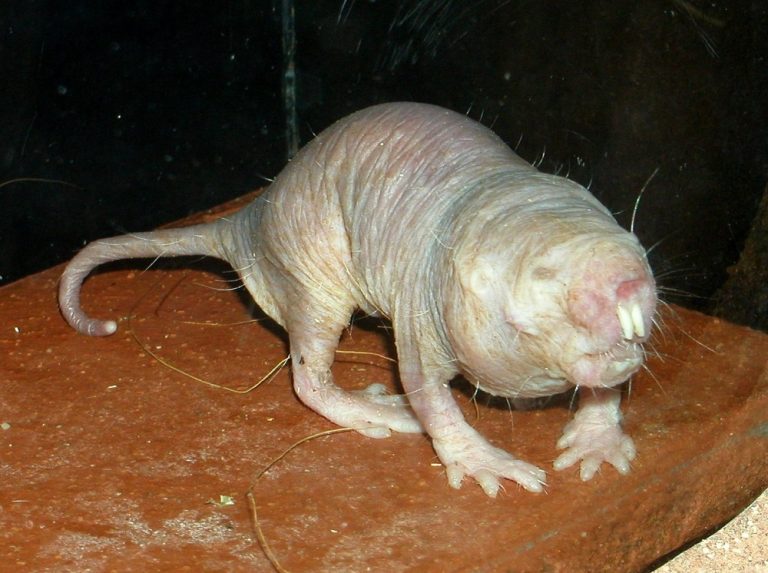
El “acceso a los recursos genéticos” y “la participación justa y equitativa de los beneficios que provienen de su utilización” han atribulado las trece Conferencias de las Partes del Convenio de las Naciones Unidas sobre la Diversidad Biológica(CDB), que entró en vigor en 1993. La expresión entre comillas se conoce por sus siglas en inglés como “ABS”. Es el tercer objetivo del Convenio, entrelazado con los primeros dos, que son la conservación y el uso sostenible. A pesar de 25 años de esfuerzos y una bioeconomía de casi un trillón de dólares, pocos son los contratos de acceso que han sido celebrados. De esos pocos, los beneficios monetarios son tan bajos que las partes contratantes (y otros actores) son reacias a divulgarlos, bajo la excusa de “confidencialidad por sensibilidades comerciales”. La ley brasileña de ABS de 2015, que entró en vigor el 6 de noviembre de 2017 por ejemplo, permite que las regalías de las ventas netas sean tan bajas como la décima parte de uno por ciento. En palabras de un erudito jurista, los Usuarios pagan “una miseria por la biodiversidad”.
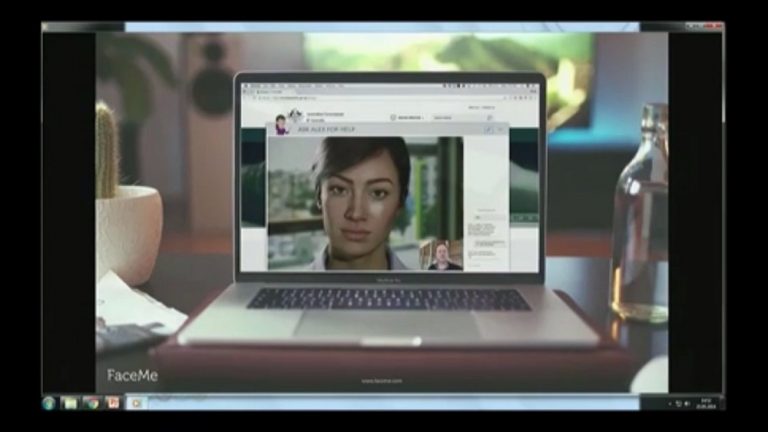
Artificial Intelligence Applied: ‘Alex’ May Respond To Trademark Filers’ Facial Expressions

A new “virtual assistant” used by the Australian Intellectual Property Office may be able in the future to read the facial expressions of trademark filers and provide them with solutions - with empathy.

In Defense Of Fair Use

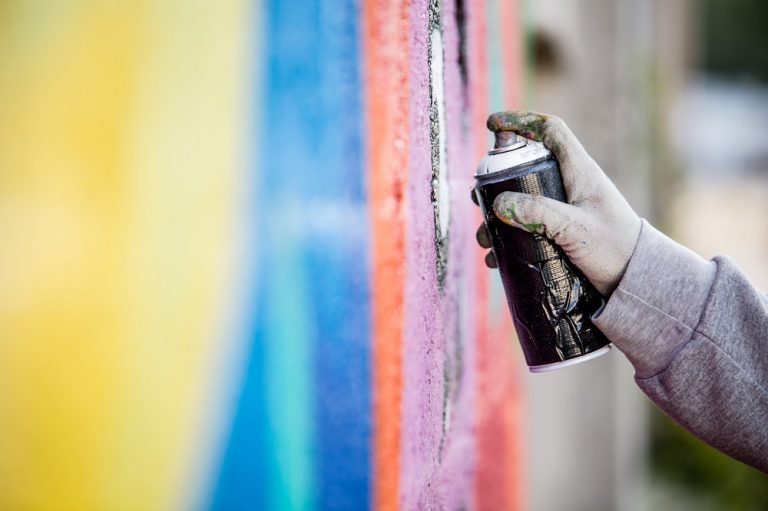
Copyright law, to be sustainable, calls for a balance. Under copyright law, creators receive exclusive rights to allow or prevent others from making copies of their works for a limited time as an incentive to create. Users receive benefits from the results of the creator’s labor, perhaps through watching, reading or listening to those results. Users may also benefit pursuant to a license to use the works in other ways. Eventually the works fall into the public domain, allowing further reuse by everyone. Recent litigation involving a graffiti artist and a purveyor of sportswear shows how sometimes a flexible mechanism for balancing the copyright entitlements of creators and users makes sense, writes Roy Kaufman.

WIPO Edges Toward High-Level Meeting To Finish Treaty On IP Rights For Broadcasters

The World Intellectual Property Organization copyright committee last week stepped back from a lunge toward a long-debated treaty to protect intellectual property rights of broadcasters, but still concluded with a recommendation for the full WIPO membership to consider taking the negotiation to the final political level later this year.

European Patent Office Discusses Patenting Artificial Intelligence

MUNICH -- United States and Chinese patent practitioners this week called for considerations to change patent legislation and allow patenting algorithms in the future. They spoke at a 30 May conference of the European Patent Office in Munich on “Patenting Artificial Intelligence.”

Civil Society Issues Call For Action On Draft WIPO Copyright Exceptions

This week the World Intellectual Property Organization copyright committee is looking at exceptions and limitations to copyright. A range of stakeholders with opposing views delivered long statements explaining their positions. Some proponents of mandatory international limitations and exceptions for certain actors cited the United Nations Sustainable Development Goals inscribing equitable quality education as a right. Others, like publishers’ associations, said the current international system provides ample possibilities to devise national exceptions and limitations.

Draft Broadcast Treaty Takes Restrictive Approach To Limitations And Exceptions

Sean Flynn writes: At this week’s meeting of the World Intellectual Property Organization Standing Committee on Copyright and Related Rights, there was renewed attention to the limitations and exceptions provisions of a proposed treaty for broadcast organizations. Unfortunately, the result of that attention was to make the current draft more restrictive for the adoption of exceptions than prior drafts, and more restrictive than are present copyright treaties or the than the Rome Convention the broadcast treaty seeks to update.

Broadcasting Treaty Moving At WIPO, Copyright Exceptions For Libraries Not

Positive momentum seems to have been found on a potential global treaty to protect broadcasting organisations as delegates moved towards convergence on some language this week at the World Intellectual Property Organization. Meanwhile, copyright exceptions for actors like libraries and research institutions is meeting the same strong opposition from some, and informal consultations and studies are being set out by the committee chair over the next 18 months, over concerns of delay.

‘Every Great Science Discovery, Invention, Is The Stuff Of Dreams, Not The Stuff Of Reason’: Interview With David Hanson Of Hanson Robotics

Sophia, the well-known human-like robot who acquired citizenship in Saudi Arabia, was at the Artificial Intelligence for Good Global Summit which took place earlier this month in Geneva. Her creator, David Hanson, also CEO and founder of Hanson Robotics, gave an interview to Intellectual Property Watch's Catherine Saez and explained his philosophy about intellectual property, the needed spark of interest in human-like robots, data collection, and innovation.

Hanson is also lead designer and inventor of key technologies including Frubber nanotech, facial expressions and AI software. He is former Walt Disney Imagineering designer, and recipient of numerous awards. A video interview about Sophia is embedded in this text.