Are You Looking To Sell Your Patent To Google?

From 8-22 May, US online search giant Google will open a streamlined portal for patent owners to let Google know about patents they are willing to sell at a price they set.

Original news and analysis on international IP policy
From 8-22 May, US online search giant Google will open a streamlined portal for patent owners to let Google know about patents they are willing to sell at a price they set.

Least developed countries (LDCs) at the World Trade Organization have requested that a waiver allowing them to not enforce intellectual property rights on pharmaceutical products be extended beyond its deadline of 1 January 2016. The brand pharmaceutical industry this week stated that it supports access to medicines for LDCs but does not see the need for this extension as LDCs already benefit from a WTO waiver on all products until 2021.
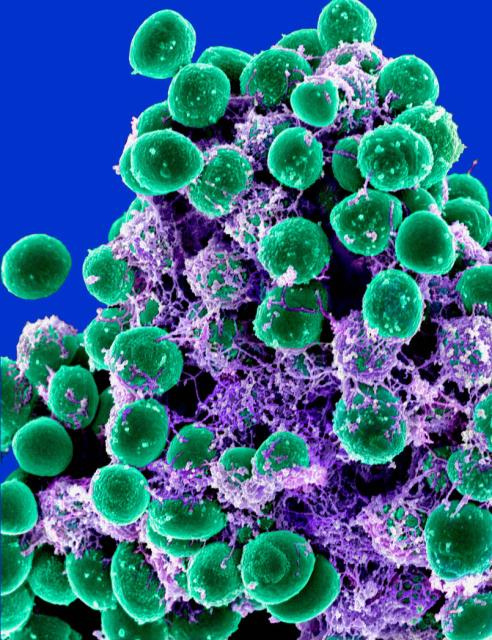
the International Federation of Pharmaceutical Manufacturers & Associations (IFPMA) provided its recommendations on how to slow down antimicrobial resistance and boost antibiotic research and development. In addition, the association organised a forum on the subject today.

In Chile, pharmaceutical patents are almost exclusively the domain of foreign companies. Only a subset of drugs is protected by patents, while a much larger number of products is protected by trademarks, a study finds, offering for the first time empirical evidence on the use of primary and secondary patents in Chile.
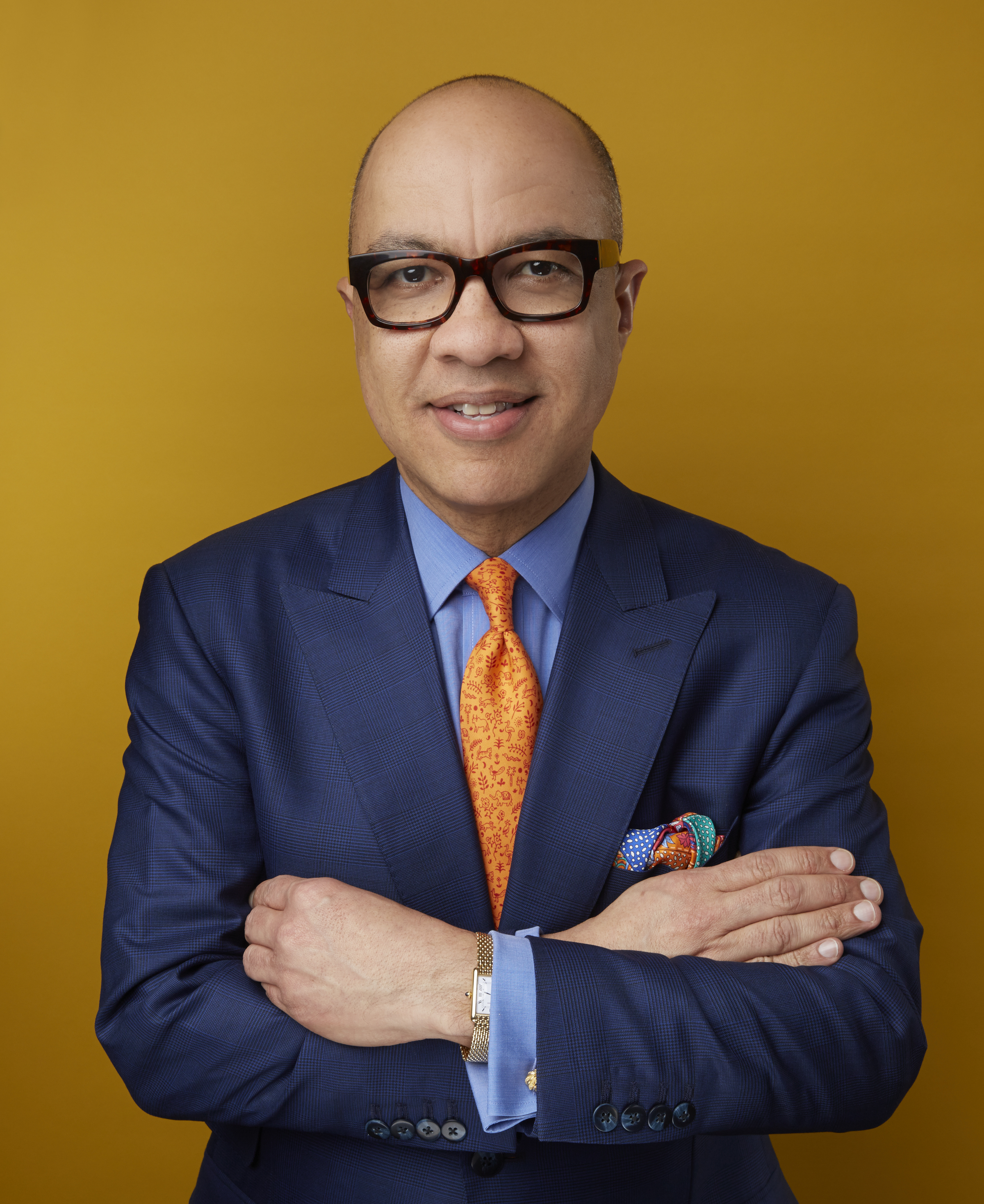
Darren Walker is president of the Ford Foundation, one of the largest and historically most influential private philanthropies in the United States, dedicated to human welfare worldwide. Among its areas of focus are programs on freedom of expression and internet rights, extremely timely given current national and global events. Ford, along with four other leading foundations, and leaders from government, business and the technology community recently announced NetGain, a partnership to “spark the next generation of innovation for social change and progress.” Intellectual Property Watch’s William New recently interviewed Darren Walker on his vision for the foundation, internet governance, and the world at large.

The World Health Organization released a report today on countries’ response to the global declining effect of antibiotics on bacteria and microbes, heightened by overuse or misuse of those products. Next month the World Health Assembly will consider a draft global action plan to fight the problem, which includes suggestions for sustainable investment in the area such as de-linking research from price and sales, as well as equitable access to new products.
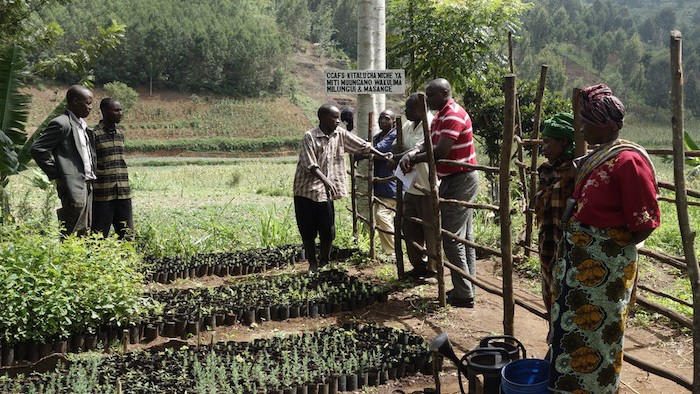
South Africa’s new indigenous knowledge systems legislation is being cautiously welcomed by commentators, expressing both hopes and concerns. And some are tying it to other intellectual property legislation in the country.

At the close of the session of the World Intellectual Property Organization Committee on Development and Intellectual Property (CDIP) last week, delegates left on a positive note. Despite not achieving concrete results on several issues, the meeting was described as encouraging by some participants. Technical assistance remained one of the prickly issues, as well as the mechanism for WIPO committees to report on their implementation of the Development Agenda.
Participation in global value chains contributes to economic growth, while trade and trade-related policies, such as foreign direct investment, intellectual property protection, trade facilitation, infrastructure and institutions, together with deeper regional integration have important impacts on global value chain integration in developing countries. This was the view of speakers at a recent event in Geneva.
Universities play an enormous role in biomedical research in the United States, but are not doing all they can to advance research for neglected diseases or make their innovations available to people who need them most, the student groupUniversities Allied…