Achieving SDG Health Targets Using ‘The Vital Role Of Law’
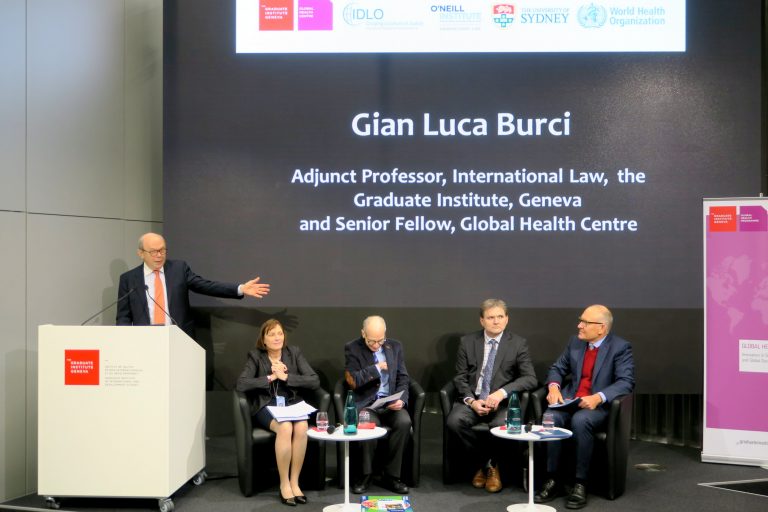
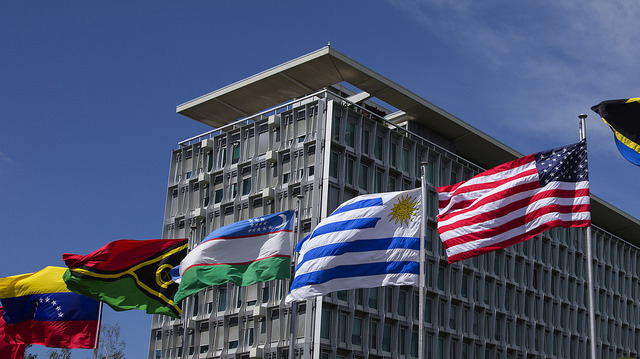
Effective laws, including those around intellectual property rights, and an enabling legal environment, are as essential to a healthy society as clean water, a group made up of a representative of the World Health Organization, academics and a legal expert for a civil society group, have asserted while launching a key report.
Free Software Foundation Makes ‘Major Overhaul’ In High Priority Projects

Coolness alert! The Free Software Foundation has announced an updated list of high priority projects on a global scale. Top priorities now include a free software phone operating system, clouds, hardware, voice and video chat, inclusiveness, security and internationalisation of…

WEF Davos: Who Will Own The Knowledge Produced From “Our” Data By Machines?

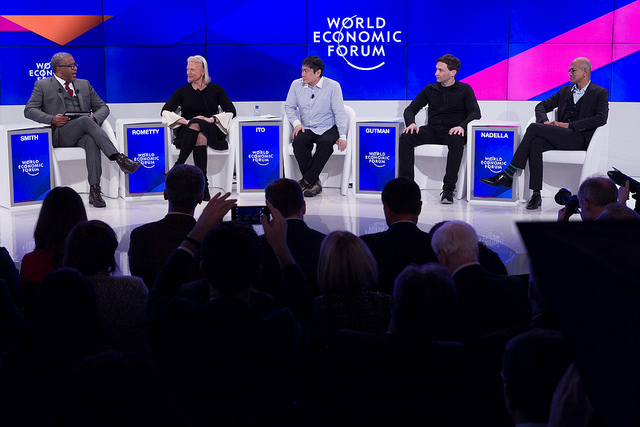
Artificial intelligence has succeeded the Internet of Things or the earlier cloud mania as buzzword number one at the Annual Meeting of the World Economic Forum that started today (17 January) in Davos, Switzerland. While ethical questions surrounding the intelligent machines are discussed at length and the question for regulatory steps considered, answers of who will own the knowledge created by machines or intelligent bots vary.

Survey Analyzes Tech, Media, Telecom Disputes; IP Prominent

Newly released results of a survey published by the Queen Mary University of London on disputes relating to technology, media and telecommunications reveal interesting details about the types of disputes brought and the reasons behind them.

WHO Board Meeting Playbook: Election Of New DG, Antimicrobial Resistance, Genetic Sequence Data

Although the main governing body of the World Health Organization is the annual World Health Assembly held in May, many decisions are made at the annual January session of the WHO Executive Board. Among the topics to be discussed next week are the election of a new director general, antimicrobial resistance, the financing of research and development for health products.

Nagoya Protocol Implications For Health, Flu Genetic Data On WHO Board Agenda

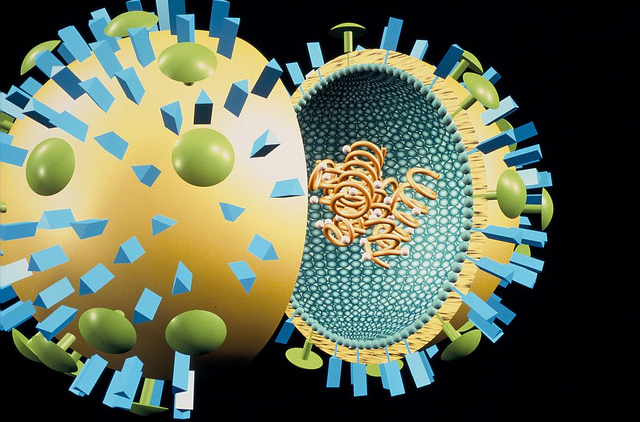
The World Health Organization recently published its analysis about the public health implications of the Nagoya Protocol on genetic resources access and benefit-sharing, and in particular how it affects the sharing of pathogens, like influenza viruses. The findings are set to be discussed at this month’s WHO Executive Board meeting. Also to be discussed is an experts group review of the WHO pandemic influenza framework, and in particular its conclusion that the framework should be amended to match scientific progress.

EU Study Recommends FRAND Clarification, More Coordination On 5G

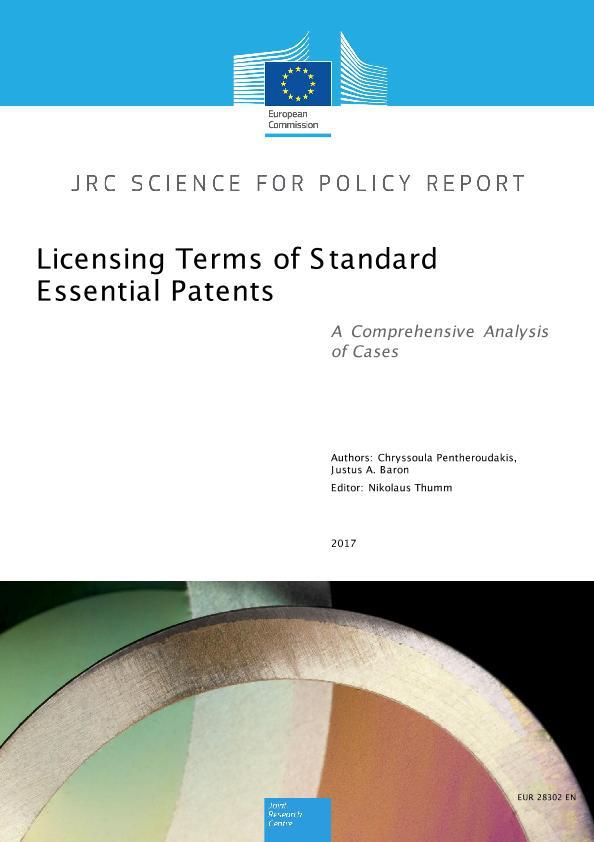
The rapid development of information and communication technologies, and the need for greater interconnectivity driven by the Internet of Things has created a variety of standard-essential patent (SEP) owners and implementers with different business models, and for more diverse licensing practices, the European Commission Joint Research Centre says in a new study. This has made it harder to agree on an interpretation of FRAND licensing principles, something European policymakers must clarify in order to meet key digital single market and other goals, it says.

New Book Highlights IP Trade Law Flexibilities For Public Health

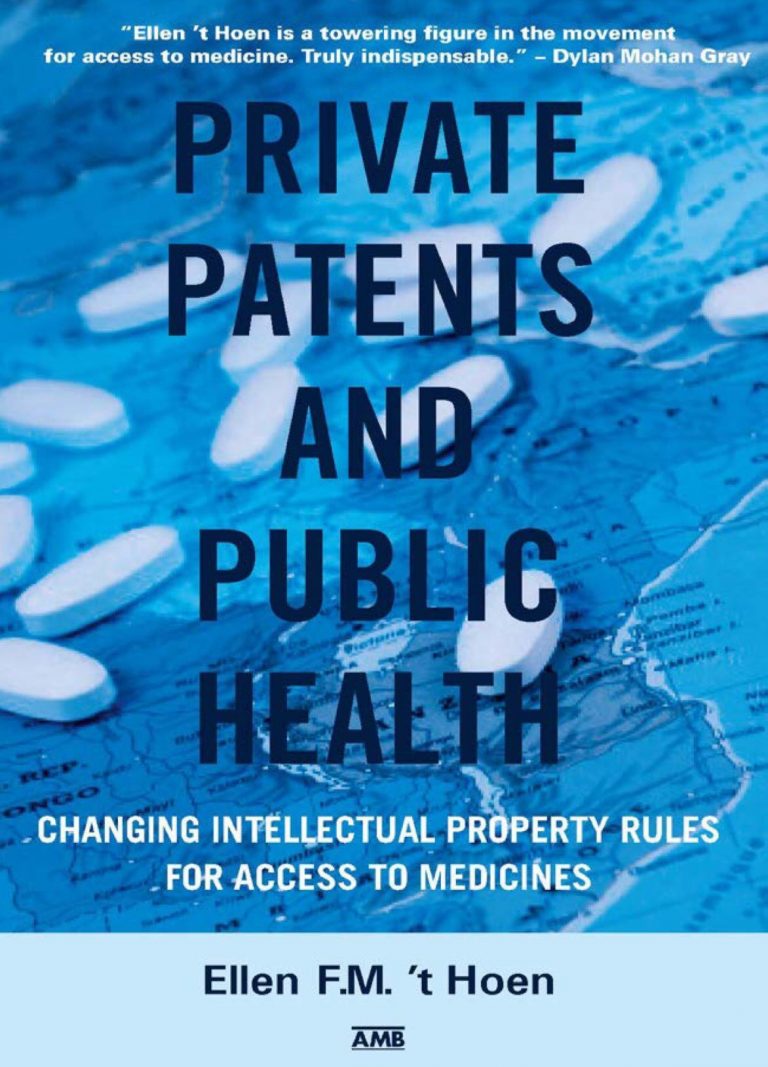
A recently published book by a high-impact public health advocate provides new analysis on the use of flexibilities in international trade law relating to intellectual property rights aimed at advancing discussions on solutions to high drug prices worldwide.

US Biotech Industry To India’s Modi: Follow Our IP Practices, Get ‘Tidal Wave’ Of Investment

US Biotechnology Innovation Organization CEO Jim Greenwood told Indian Prime Minister Narendra Modi this week if he follows western practices on intellectual property protection, his country would see a "tidal wave" of biotech industry investment.