The Current And Future Scope Of IPR Estoppel

David I. Berl and Christopher A. Suarez write: The estoppel provision of the America Invents Act, 35 U.S.C. 315(e), was touted originally as a check against patent challengers using inter partes review (“IPR”) proceedings to attack patents serially on the same or similar grounds. That provision precludes an IPR petitioner, or the real party in interest or privy of the petitioner, from asserting invalidity challenges in subsequent IPR, district court, or International Trade Commission (“ITC”) proceedings “on any ground that the petitioner raised or reasonably could have raised during” an IPR that resulted “in a final written decision.” Given the frequency of IPR and associated district court challenges, the scope of the AIA’s estoppel provision, with respect to the parties and arguments it estops, has become and will continue to be a critical and frequently contested issue for litigants.


Report Finds Wide Gap In Pharma Companies’ Profits And Spending On R&D

A new report from Public Citizen, the US-based consumer rights advocacy group, shows that the 20 largest pharmaceutical corporations are spending significantly less on research and development of new medicines than they are making in profits.

WIPO Committee Moves Ahead On Country Names, Tech Designs, Not GIs

Establishing a work programme on geographical indications at the World Intellectual Property Organization last week proved elusive. A tentative text and time frame by the chair of the committee on trademark and geographical indications (GIs) issued on the last day of the committee did not meet the approval of some member states. The committee did agree on a set of tasks for the WIPO secretariat on the protection of country names against registration as trademarks, and on the protection of new technological designs, such as icons and type fonts.

Special Report: Will The Internet Of Things Need New Patenting/Licensing Strategies?

The Internet of Things (IoT), which will connect billions of devices in coming years, may offer incredible opportunities for businesses and consumers but it also raises significant intellectual property issues, IP lawyers, mobile operators and others say. One key question is whether patenting and licensing strategies will have to change to adapt to the myriad standards being developed and patents being sought for IoT products and services, and for the coming rollout of 5G technologies.

US Congress Considers Plan For Presidential Appointment Of Copyright Register

Legislation authorising the president to appoint the Register of Copyright in the United States Copyright Office is working its way through Congress. The “Register of Copyrights Selection and Accountability Act” garnered strong bipartisan support in the House of Representatives Judiciary…

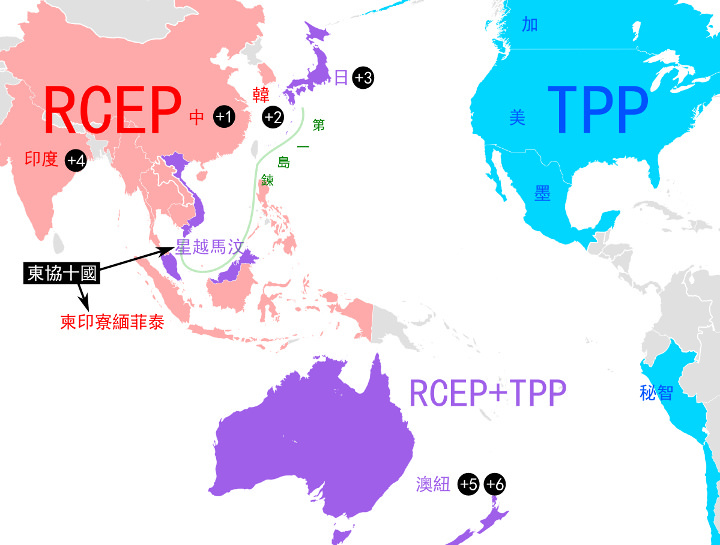
NGOs Detail Changes For Public Health In RCEP Asian Trade Pact

Concerns continue to grow among civil society about provisions in a major trade agreement in the Asian region. Of specific worry is the intellectual property chapter containing in particular a data exclusivity clause, and the linkage between the investment chapter and the IP chapter.

Funding Injection For New Antibiotics: The CARB-X Transatlantic Partnership

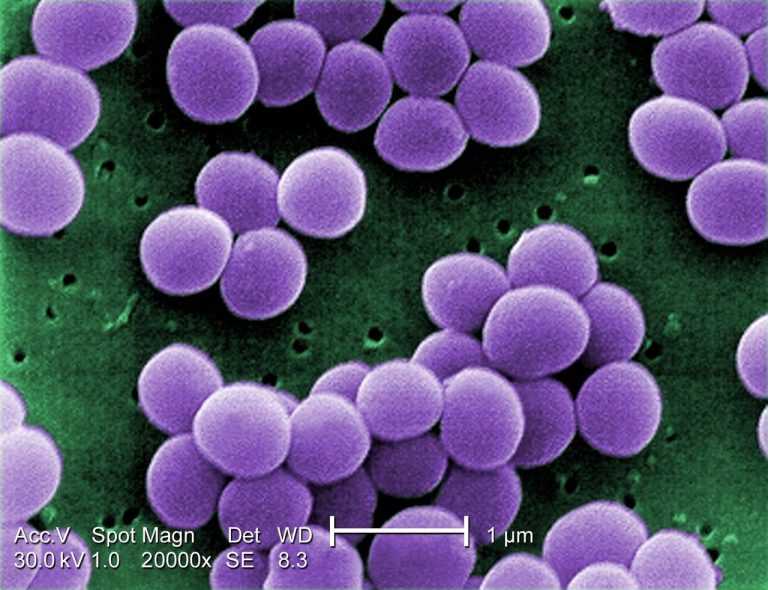
A partnership of government agencies and organisations in the United States and United Kingdom have announced an investment of up to US$48 million into the development of new antibiotics and products to fight antibiotic resistant bacteria, with the aim of having two new antibiotics in human trials in the next five years.