Microsoft Grant To UN: Tech For Human Rights
A five-year partnership between the Office of the United Nations High Commissioner for Human Rights (OHCHR) and Microsoft was announced today.

Original news and analysis on international IP policy
A five-year partnership between the Office of the United Nations High Commissioner for Human Rights (OHCHR) and Microsoft was announced today.
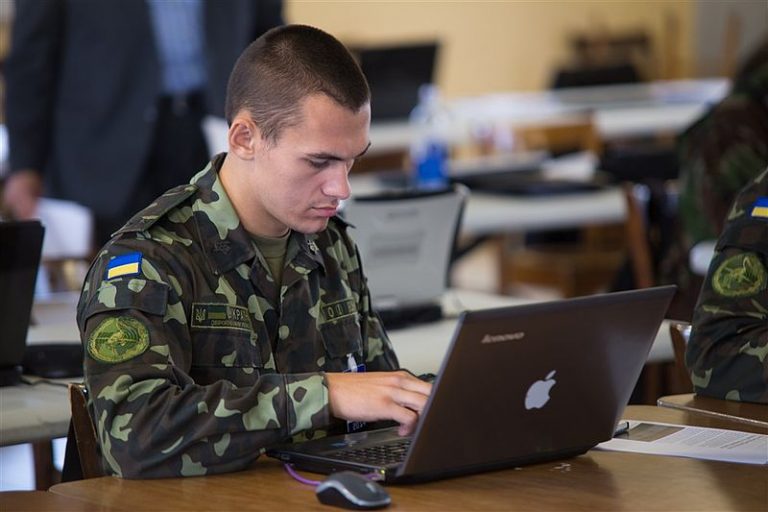
The WikiLeaks publication of hacking tools and malware the CIA has allegedly used continues to stir the ire and fear of those concerned about the possible risk of the US government’s backdoor access to private data. But WikiLeaks' publication of alleged CIA-created malware instructions, which the CIA has not confirmed as authentic, diverts attention away from how numerous other state-sponsored agents are aggressively seeking to steal intellectual property and other data, security experts say.
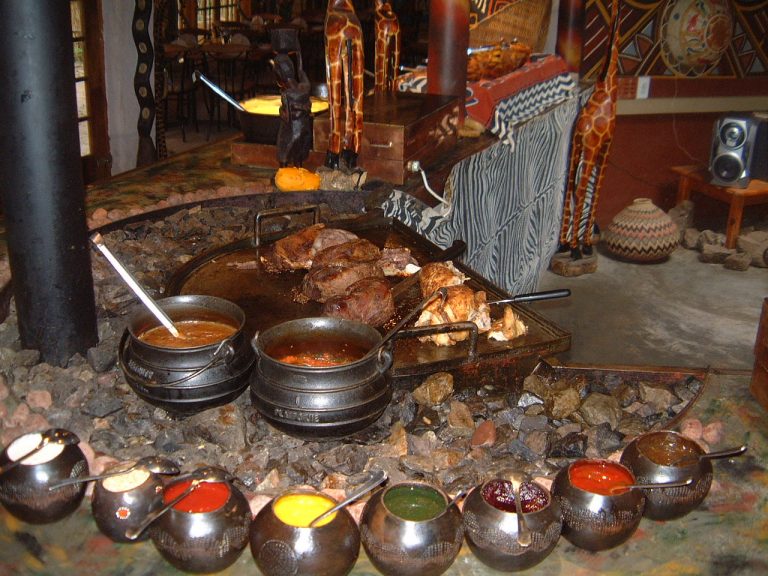
CAPE TOWN, South Africa -- The belief that intellectual property promotes foreign direct investment and international trade has brought tension in African countries’ ability to eliminate trade barriers, and to ensure local governments are able to develop policies that respond to local needs, according to an extensive new analysis.
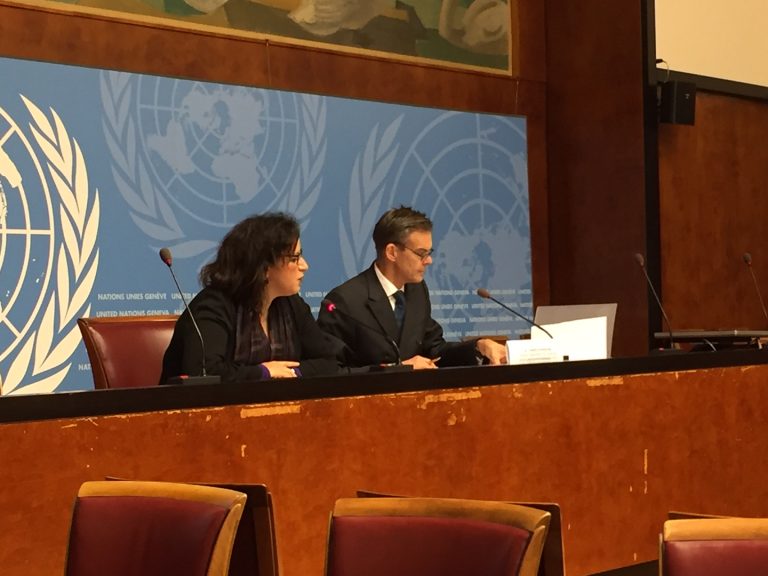
The 70th World Health Assembly opening in a few days is the WHA of superlatives, according to a World Health Organization’s official. It is the longest assembly ever, with nine days of meeting, the largest number delegates, of agenda items, and of documents. It is also when the new WHO new director general will be elected, and when the WHO next budget is expected to be approved.
An academic conference this month will explore issues related to innovation, research and competition in the European Union, addressing topics such as 5G, big data, patents and standards.
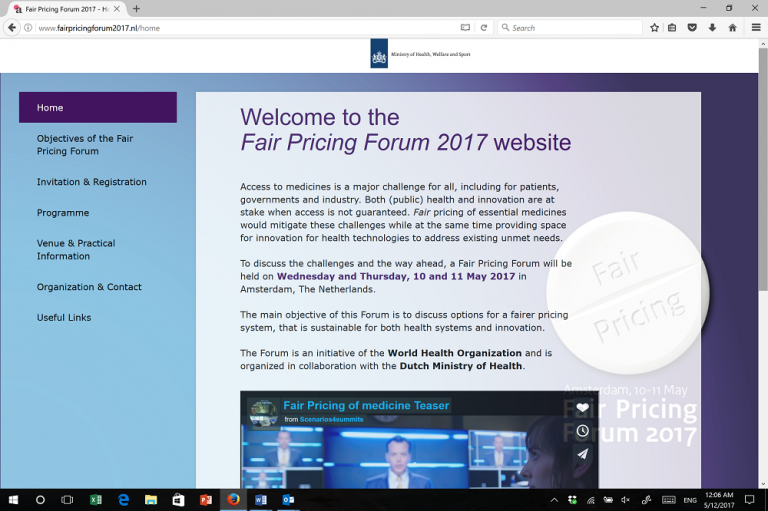
The World Health Organization has concluded a major one-day forum on fair pricing of medicines, bringing a wide range of stakeholders together in Amsterdam and coming up with several possible actions for the way ahead. Key points of discussion included a definition of fair pricing, moving away from value-based pricing, delinkage of price from research and development costs, and greater transparency, according to participants.
The World Health Organization today published an item entitled, Access to medicines: making market forces serve the poor, a chapter from its report ‘Ten years in public health 2007-2017’ of outgoing WHO Director General Margaret Chan.
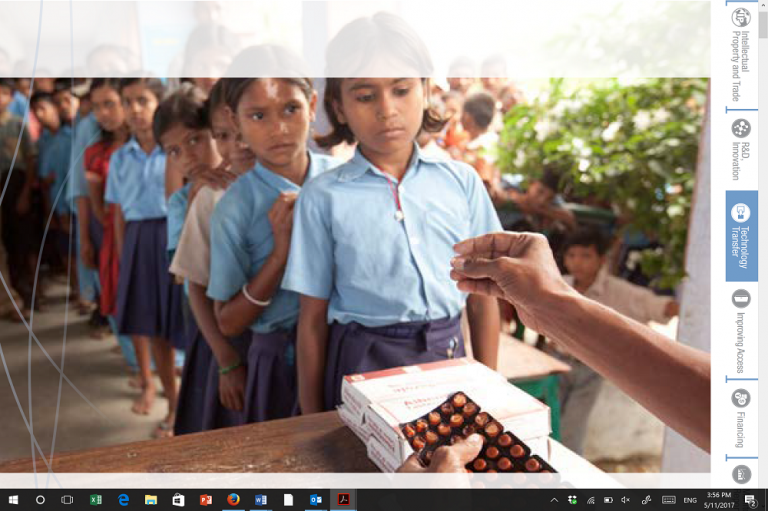
Two new studies published by the World Health Organization provide insight on the production of pharmaceutical products in India and China. According to the studies, China has a substantial local pharmaceutical manufacturing sector which the Chinese government is closely linking to its policy objective of universal health care. India, the main global provider of generic medicines is not pursuing a comparable focus on universal health care. India is increasingly faced with Chinese pharmaceutical sector competition, with China being its main provider of commoditized active pharmaceutical ingredients (APIs).

After prevaricating for about three years, the European Union now seems to be about to ratify a treaty lifting copyright across borders for books in special format for visually impaired people. The European Blind Union saluted the agreement as great news for millions of people with visual disabilities but warned that a provision allowing EU members to impose economic compensation on organisations representing blind persons and libraries could run counter to the benefit of the treaty.
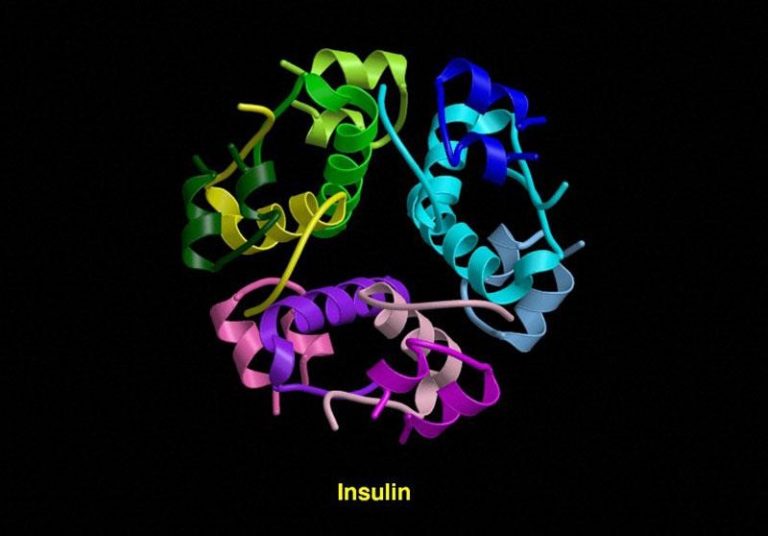
The WHO last week announced plans to explore options for prequalifying insulin, a process that already assesses the quality, safety and efficacy of medicinal products, such as tuberculosis and malaria drugs. The WHO is considering whether to extend the prequalification process to manufacturers creating me-too versions of insulins, more commonly known as biosimilars.