Category WTO/TRIPS

Fifa Rahman

Will US Drug Pricing Politics Change Intimidation Practices Globally?

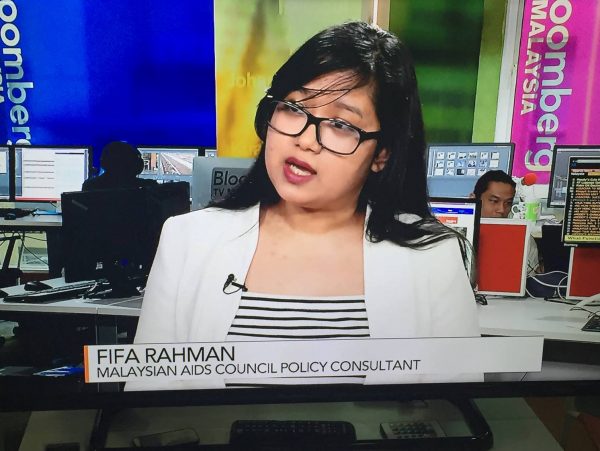
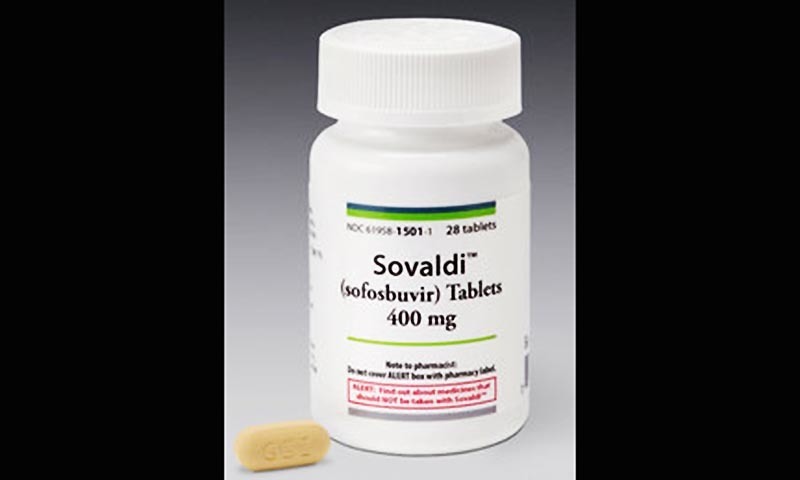
Fifa Rahman writes: The global health world, particularly as concerns skyrocketing drug prices and patent abuse, is in a unique space in time. Recently, the Office of the United States Trade Representative (USTR) has been carrying on as per usual. It has threatened the Malaysian and Colombian governments at numerous junctures to prevent them from issuing compulsory licences – a completely legal mechanism which the US uses regularly - to access generic hepatitis C drugs. The Trump Administration has sent delegations to global health agencies in Geneva to intimidate them into reducing, or hiding, work on TRIPS flexibilities and fairer drug pricing.
WTO IP Council: Praise For Public-Private Partnerships, Use Of Competition Law To Fight High Drug Prices

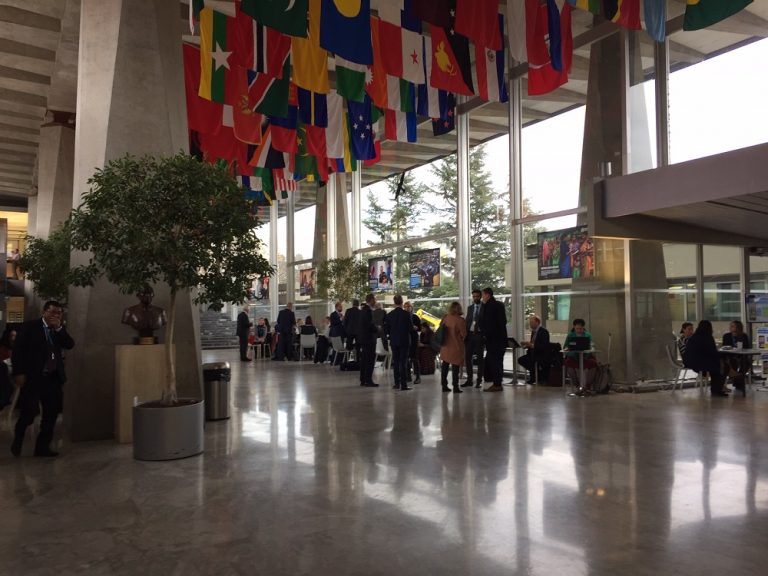
At the World Trade Organization Council for Trade-Related Aspects of Intellectual Property Rights (TRIPS) - which met on 13 February and finished in one day - discussions on IP and innovation, and IP and the public interest delineated points of views but also provided concrete examples of successful use of public-private partnerships, and use of competition law to prevent excessive pricing.

Malaysia Still Under Pressure To Make Hepatitis C Medicine More Expensive

The government of Malaysia continues to face pressure from the United States pharmaceutical industry and potentially the US government to undo an action taken to make a key hepatitis C medicine more affordable in the country. Now Médecins Sans Frontières (MSF, Doctors Without Borders) has weighed in to defend the government's right to use a patent flexibility in global trade law that allows them to take such actions on behalf of their citizens.

TRIPS Council To Look At IP And The Public Interest, Business Interest

The World Trade Organization is the prime gathering point for the world's governments to discuss and negotiate on policies of the day. A decades-long swinging pendulum within the WTO's committee on trade and intellectual property is IP's contribution to innovation and economy and its contribution to the public interest. At its meeting this week, the committee will feature discussions on both.

IP Still At Heart Of Access To Medicines Discussions At WHO

Intellectual property is often pointed at as hindering access to medicines by resulting in their long-lasting unaffordability, a view which is strongly opposed by IP proponents. The discussions on access to medicines last week during the World Health Organization Executive Board meeting yielded a record number of interventions by member states and nongovernmental organisations, reflecting the importance of the issue.

WHO’s Access Roadmap And The Art Of Accommodation Of Pharma Interest

The Roadmap to access to medicines, vaccines and other health products (Roadmap) to be discussed at this week's 144th session of WHO’s Executive Board accommodates vital interest of pharmaceutical TNCs on critical issues such as the approach to access, technical assistance on the use of TRIPS flexibilities and access to biosimilars.

Adoption of the Roadmap in its current form very well accommodates the interest of the Pharmaceutical TNCs and therefore one need not expect any proactive steps by WHO towards promoting access after the adoption of the Roadmap.

India, Ecuador, Peru Bring TRIPS Flexibilities Into WHO Universal Health Coverage Discussions

Universal health coverage is a goal shared by all members of the World Health Organization. The ways to achieve that goal might however be based on different strategies. As members are working on a common resolution for the approval of the Executive Board of the organisation, and are contributing draft text, India brought up the intellectual property dimension by suggesting the text includes mention of the use of international trade rules flexibilities to protect public health.

US Complaints About Technology Transfer In China: Negotiating The Endgame

Dean Pinkert writes: The United States Trade Representative (USTR) has been open about its view of the difficulties faced by US companies who claim – generally anonymously – that they have been forced to transfer technology to Chinese entities: “The fact that China systematically implements its technology transfer regime in informal and indirect ways makes it ‘just as effective [as written requirements], but almost impossible to prosecute.’” As I explain in this article, I believe such informality is not merely a barrier to prosecutions; it also presents conceptual challenges for US trade negotiators as they attempt to craft effective means to address the concerns of US companies doing business in China.

New Database Documents The Power Of TRIPS Flexibilities

Ellen 't Hoen writes: Medicines Law & Policy has published an on-line database of instances of the use of TRIPS flexibilities in public health contexts, titled the TRIPS Flexibilities Database. The publication of the TRIPS Flexibilities Database merits sharing a bit of its history because it has been a work in progress for some time. The database includes cases of actual use of TRIPS flexibilities and instances in which countries planned or threatened to use them. The collection of such cases started ten years ago as part of a research project to document and examine the uptake of the flexibilities contained in the TRIPS Agreement in medicines procurement.