WIPO Conference On IP And Development Provisional Programme Is Out
The provisional programme for an international conference on intellectual property and development at World Intellectual Property Organization taking place in April is now available.

Original news and analysis on international IP policy
The provisional programme for an international conference on intellectual property and development at World Intellectual Property Organization taking place in April is now available.
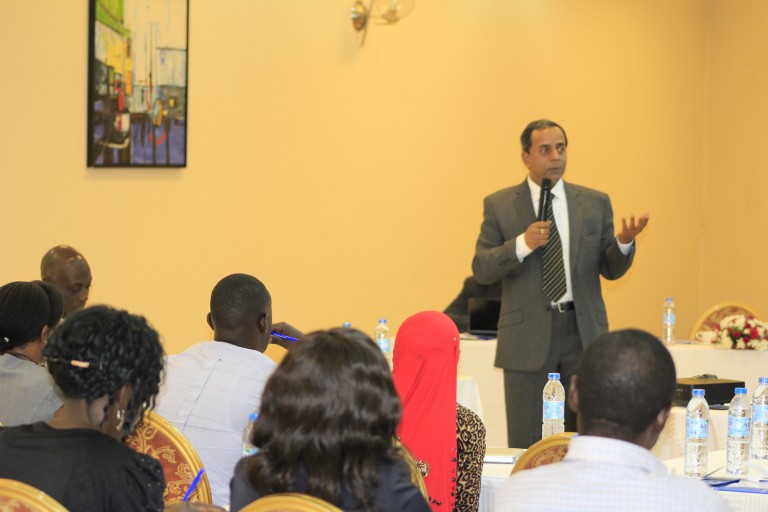
KAMPALA, Uganda - Small and medium enterprises in Uganda should brand their products with geographical indications and collective marks to gain competitive advantage. This was one of the messages during a recent World Intellectual Property Organization event entitled, Advanced Training of Trainers Program on Effective Intellectual Property Asset Management by Small and Medium-Sized Enterprises, (SMEs). The training took place in Kampala, Uganda on 8-10 December.

The Marrakesh Treaty, first of its kind, will enter into force three months after the deposit of the instruments of ratification or accession by 20 eligible countries. So far, thirteen have done so. Brazil, which was one of the main proponents and negotiators, deposited its ratification of the treaty on December 11, 2015, after the yearlong internal legislative process. The key question we are trying to face here is how the ratification of this treaty may impact Brazilian copyright legislation and the interpretation of the limitations.
The most-read stories of 2015 on the Intellectual Property Watch website fairly reflected the trends of the year, with the Trans-Pacific Partnership (TPP) agreement, India’s evolving intellectual property rights policies, European Patent Office patents on conventional vegetables, biologics, 3D printing, and some pop culture issues leading the way.
In the coming weeks, IP-Watch will review in-depth what’s in store for 2016, already underway. But for now, let’s take a look at last year’s highlights.
The New Year brings some new faces in the intellectual property world as several changes were announced at the end of 2015, in particular at the European Commission, in the private sector and non-governmental organisations. In Geneva, the coordination of the Group of Latin American and Caribbean countries changes, and the UN Plant Treaty is working on intersessional committees. And a leading light in the IP publishing world has retired.
Interested observers have a unique opportunity until mid-January to give their views on the landmark 2007 World Intellectual Property Organization Development Agenda, including its implementation, relevance, impact, effectiveness, efficiency in use of resources, and its sustainability.
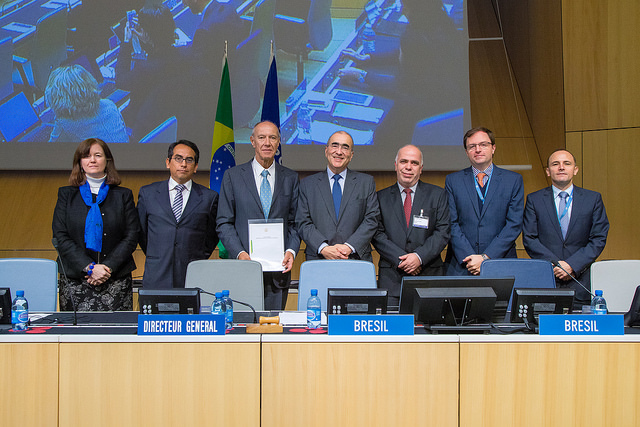
Last week, the World Intellectual Property Organization treaty which is expected to facilitate access to special format works for blind and visually impaired people gained two more ratifications, bringing the accession to the treaty to 13. The treaty will enter into force three months after the accession of the 20th member.
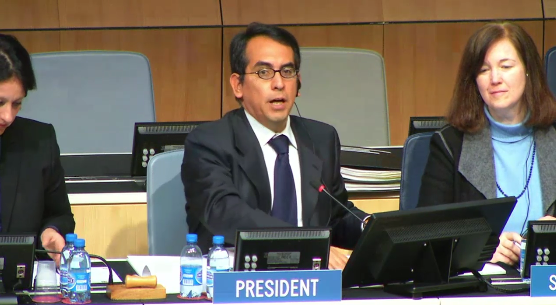
Copyright exceptions for libraries, archives, educational and research institutions and persons with disabilities other than visual impairment will remain on the agenda of the next session of the World Intellectual Property Organization copyright committee. The subject is touchy as developing countries deem those exceptions vital for development and developed countries say that the current global copyright framework leaves enough space for national exceptions to copyright.
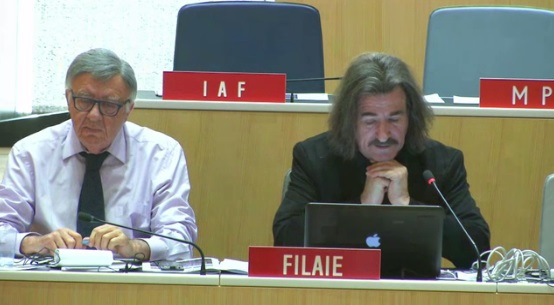
Two new proposals concerning the rights of artists seemed to bring new energy to the World Intellectual Property Organization copyright committee last week. Proposals encouraged delegates to create a legal framework to help artists benefit from use of their works and royalties by intermediaries.
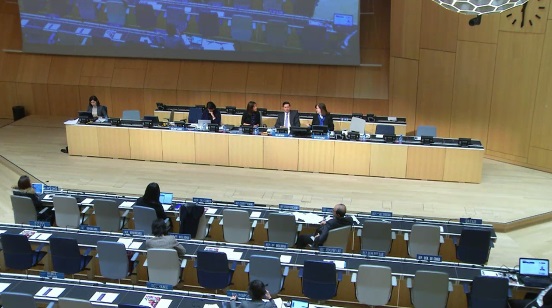
The World Intellectual Property Organization copyright committee closed last week without a definite work programme for the next session but two new projects seem to have stirred up the committee after years of inconclusive talks on a proposed treaty protecting broadcasts, and exceptions to copyright for libraries, archives, education and research. The new subjects relate to exceptions for museums, and resale rights. Meanwhile, a new text on broadcasting is being prepared for next session.

The World Intellectual Property Organization is working on an extension to its patent search systems to include specific searches for chemical compounds. The system is expected to be operational by July 2016.
Two and a half years after an international treaty was adopted to facilitate access to special format literary works for blind and visually impaired people, the European Blind Union blames the failure of the European Union to ratify it as a failure to implement the right to read in the EU.