Category WIPO

The Bipolar Nature Of Academic Publishing

Since the late twentieth-century shift from the liberal university to the neoliberal university (the latter distinguished by the managerial class installed to leverage and extract value from academic research, plus polish the brand of the franchise), the publications’ ecosystem for academics, foremost in the Arts and Humanities, has been altered beyond recognition. Notably, it has exponentially expanded while at the same time suffering maximum constriction in the form of what legal scholars have called the “great copyright robbery” (Bernt Hugenholtz, 2000), writes Gavin Keeney.

Citing “Toxic” Environment, US Congress Members Urge Secretary Kerry To Get UN Report On WIPO

The bipartisan heads of several United States congressional subcommittees have sent a letter urging the Obama administration to obtain the full and uncensored United Nations report on an investigation into possible misconduct by the head of the World Intellectual Property Organization. Meanwhile, procedural wrangling may be taking place within WIPO on who has the right to suppress or see the report.

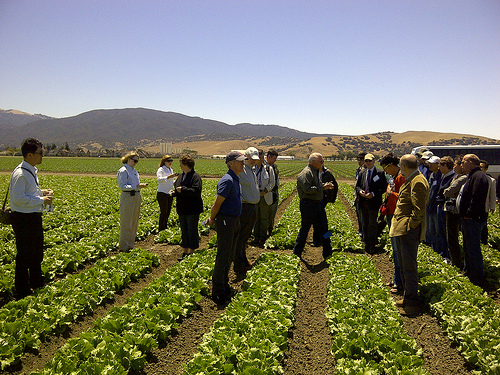
Why We Celebrated World Intellectual Property Day 2016

Corey Salsberg writes: Yesterday was World Intellectual Property Day. April 26 is the day we celebrate and call attention to the global intellectual property (IP) system. Why do we set aside a day for the entire world to stop and reflect on a subject that, for many, may seem more at home in board rooms, lecture halls, and legislatures, than in cafes, farms, and internet blogs?

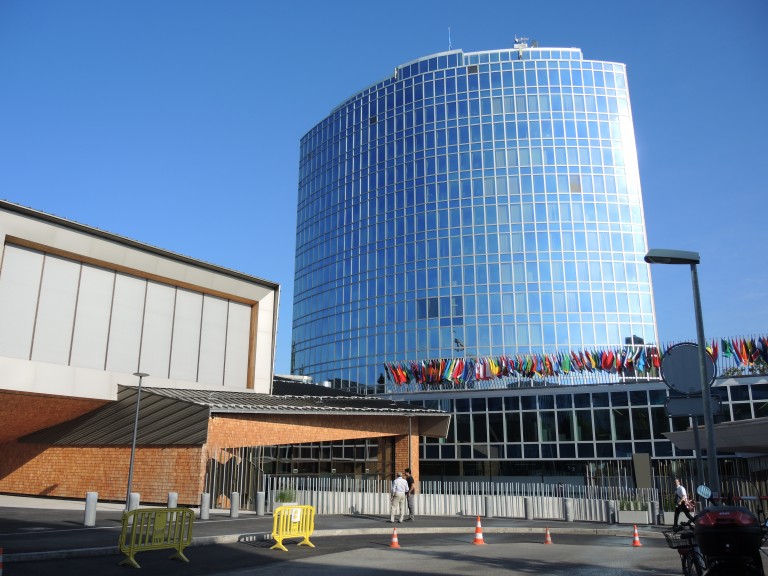
New Guide To WIPO Governance

A new publication offering an overview of the World Intellectual Property Organization governance system seeks to contribute to ongoing debates on the organisation's governance, according to its author.

Drawn Out Battle Over Genetic Resources Dampens Africa’s Hopes

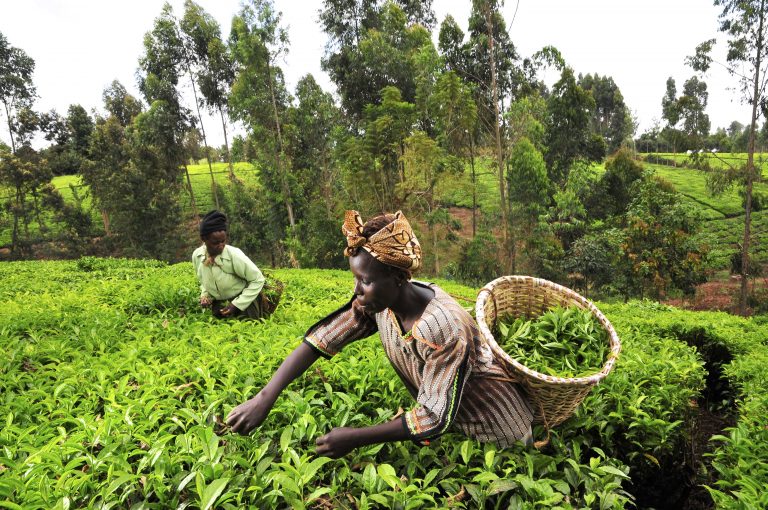
Chidi Oguamanam writes: The global South is full of significant, diverse biological and genetic resources. It’s also home to most of the world’s indigenous communities. This is why developing countries are sensitive about protecting their genetic resources and traditional knowledge.

Indigenous communities enjoy a close relationship with nature. Genetic resources are central to producing their traditional knowledge. This drives innovations in agriculture, medicines and conservation. But global intellectual property frameworks – the legal mechanisms for securing knowledge ownership – still haven’t taken this reality into account.

WIPO Members Urged To Overcome Differences On Disclosure Of Origin Of Designs

This week, World Intellectual Property Organization delegates are being urged to come closer on remaining issues in a potential treaty facilitating the registration of industrial designs for international applicants. This is easier said than done, though, as a number of WIPO members request that the treaty allows countries to request applicants to disclose the source of their designs, and other countries find this would defy the harmonising aim of the treaty.

WIPO Members Set To Decide On Industrial Design Treaty Negotiation

A potential treaty to facilitate international applications for industrial designs for creators is on the agenda of a meeting next week at the World Intellectual Property Organization. Also on the meeting agenda is the protection of country name registration and use as trademarks, and a proposed geographical indications filing system.