Category WIPO

WIPO Committee Unable To Agree Program And Budget After Proposal For Reform
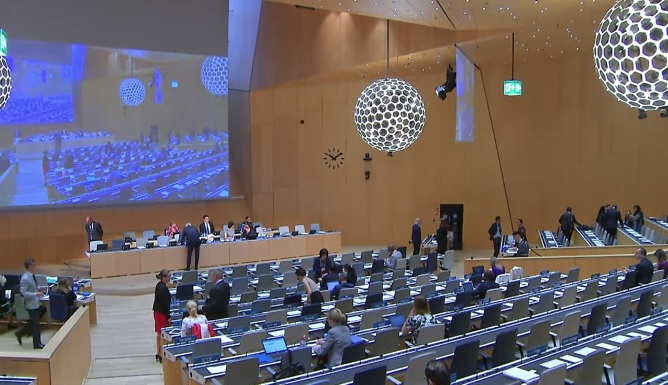
Discussions last week at the World Intellectual Property Organization on how international IP systems managed by the organisation are financed have introduced broader questions about core functioning. The WIPO budget for 2018/2019 was not approved in committee during the week, despite efforts by a small group of countries to find common language on changes to the financing of WIPO systems. A number of countries found the proposed changes in the financing of those different systems require deeper analysis on potential consequences, and asked for more time to consult with their capitals.

New WIPO External Offices: Candidates At The Door, But What’s In It For WIPO?

For the last two years, World Intellectual Property Organization delegates have been trying to tackle a seemingly unsolvable equation: too many candidate countries for four new WIPO external offices. Yet more time seems necessary to reduce the number of candidates, which show no sign of stepping down, insisting on the value of a WIPO external office. However, some doubts have begun to arise over the benefits of the expansion of WIPO's network of field offices.

WIPO Budget For 2018-2019, New External Offices, Under Discussion This Week

The Program and Budget Committee of the World Intellectual Property Organization this week is meeting for the second time this year. It is expected to consider the budget for the 2018/2019 biennium before the annual WIPO General Assembly next month. Delegates flew through the agenda today and had little to remark on audit and oversight reports, but the next days might give way to more discussions, in particular on the diplomatically thorny issue of which countries should host a WIPO external office. On a separate issue, the United States tabled a paper presenting an alternative methodology for allocating funds to WIPO-managed systems, reducing revenue reliance on a single global patent agreement.

WIPO Study Chronicles Remarkable Rise In Trademark Filings In China Province

A programme of promotion, education and incentives combined to bring about a remarkable rise in trademark filings in the Chinese municipality of Qingdao, a joint study of the World Intellectual Property Organization and Qingdao municipal government found.

Key IP Delegates In Geneva – Fully Updated!

Geneva, Switzerland is the gathering point for the world's governments to set international policy and practices relating to intellectual property rights, as they cut across many of the public policy issues of the day (eg innovation, trade, internet, health, food), including at the World Intellectual Property Organization, World Trade Organization and World Health Organization. Everyone has a stake in what governments and their stakeholders do in these venues. But who do you talk to in order to get your message through? Now Intellectual Property Watch has fully updated its unique list of the diplomats representing many of the key nations in those institutions in Geneva. Available here for subscribers only!

Between Human Rights And IP: An Interview With Laurence Helfer, Co-Author Of Guide To Marrakesh Treaty Implementation

When in 2013, in Marrakesh, Morocco, a new World Intellectual Property Organization treaty establishing exceptions and limitations for people with visual impairment was adopted, it was hailed by some as a miracle. Entered into force in 2016, the way states implement the treaty is of major importance for the World Blind Union (WBU) so that the treaty serves its purpose to expand access to books for visually impaired people. Laurence Helfer is co-author of a Guide: The World Blind Union Guide to the Marrakesh Treaty: Facilitating Access to Books for Print-Disabled Individuals. Alongside the recent session of the United Nations Committee on the Rights of Persons with Disabilities, he sat down with Intellectual Property Watch Senior Writer Catherine Saez to explain the main aims and messages of the Guide.

New Guide Shows How Best To Implement Marrakesh Treaty So Books Are Accessible To Visually Impaired

The World Blind Union (WBU) has recently issued a guide to the World Intellectual Property Organization treaty providing copyright exceptions for visually impaired people. If the treaty was hailed by all, the way it is implemented could be a gamechanger, and the WBU provides advice to all stakeholders, and in particular governments, so that the treaty is interpreted and implemented to the best interest of the visually impaired. The union also warns against the implementation of two optional provisions, which they say could run counter to the aims of the treaty.

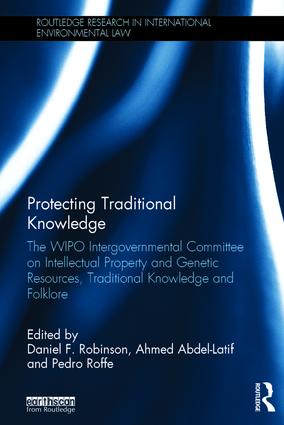
New Book Puts WIPO Traditional Knowledge Committee In Perspective

A new book with contributions from key thinkers on the subject details the long history and intensive negotiations of the World Intellectual Property Organization committee on genetic resources, traditional knowledge and folklore, making a case for conclusion of binding international agreements in these areas as a way to close gaps in intellectual property policy.

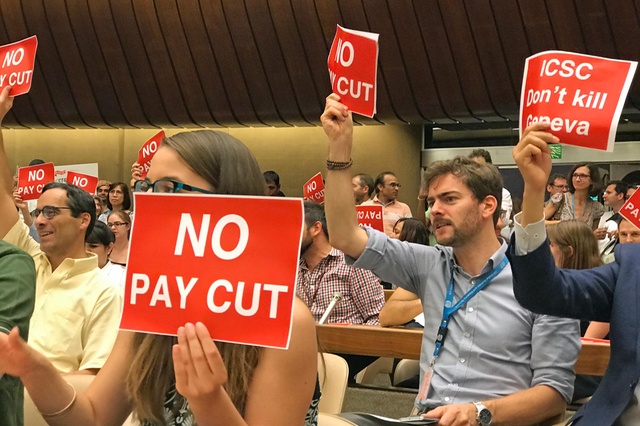
WIPO Moves Slowly On Reduction In Compensation For Geneva-Based Staff

Earlier this year, the United Nations International Civil Service Commission called for a decrease in the compensation for the high cost of living for staff of Geneva-based United Nations agencies. At the World Intellectual Property Organization Program and Budget Committee last week, some countries asked why the decision was not reflected in the draft budget for 2018/2019. WIPO replied that discussions on the decision are ongoing among various agencies.

WIPO Proposes 10 Percent Cut In Governments’ Annual Contributions

The World Intellectual Property Organization has proposed a 10 percent reduction in the contributions its member states make to the UN agency. The proposal, which met with some unanswered questions from WIPO member states at a committee meeting last week, is said to reflect the agency’s robust finances and will be taken up again in September. The move would shrink government contributions to WIPO’s overall budget to less than 5 percent of its total revenues.

Member states’ first reading of the proposed budget by WIPO for 2018/2019 also led to some amendments in programmes, notably new indicators of progress.