Public Health Considerations Should Guide Patent Examination, Paper Argues
Patent offices should align their work in support of national health and medicines policies when carrying out the examination of patents, a new South Centre paper argues.

Original news and analysis on international IP policy
Patent offices should align their work in support of national health and medicines policies when carrying out the examination of patents, a new South Centre paper argues.

According to a prominent researcher in the field of neglected tropical diseases, the World Intellectual Property Organization has a prominent role to play in addressing the lack of research and development for neglected diseases.
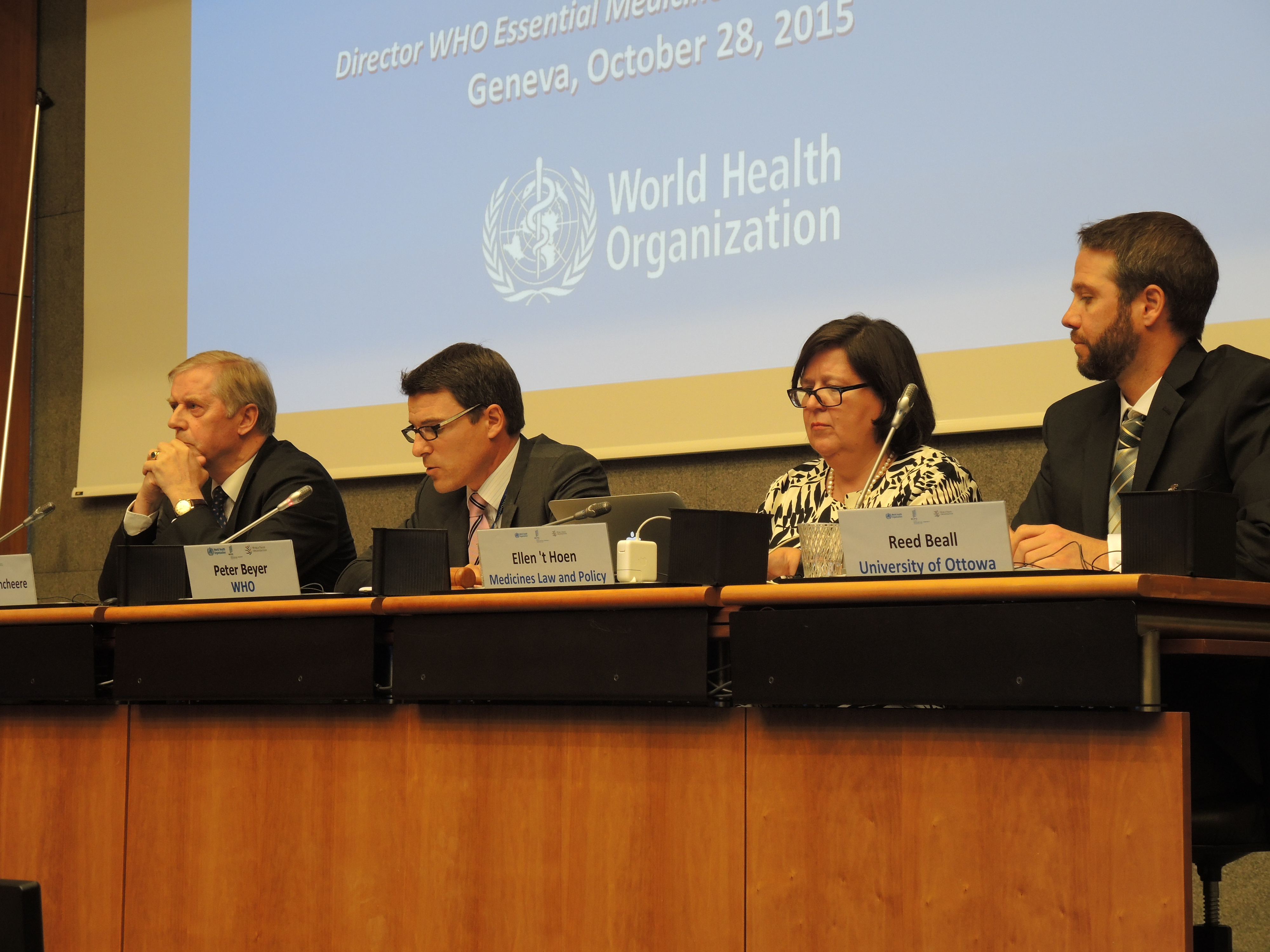
A joint symposium of the World Health Organization, World Trade Organization and World Intellectual Property Organization this week included several panels on how trade, public health and intellectual property could positively interact to increase access to medicines.

A lively keynote address urging international organisations to adopt a fact-based view of the world and new ways of segmenting countries in an increasingly convergent world, set the scene for the annual trilateral symposium on public health, intellectual property and trade taking place at the World Trade Organization today.
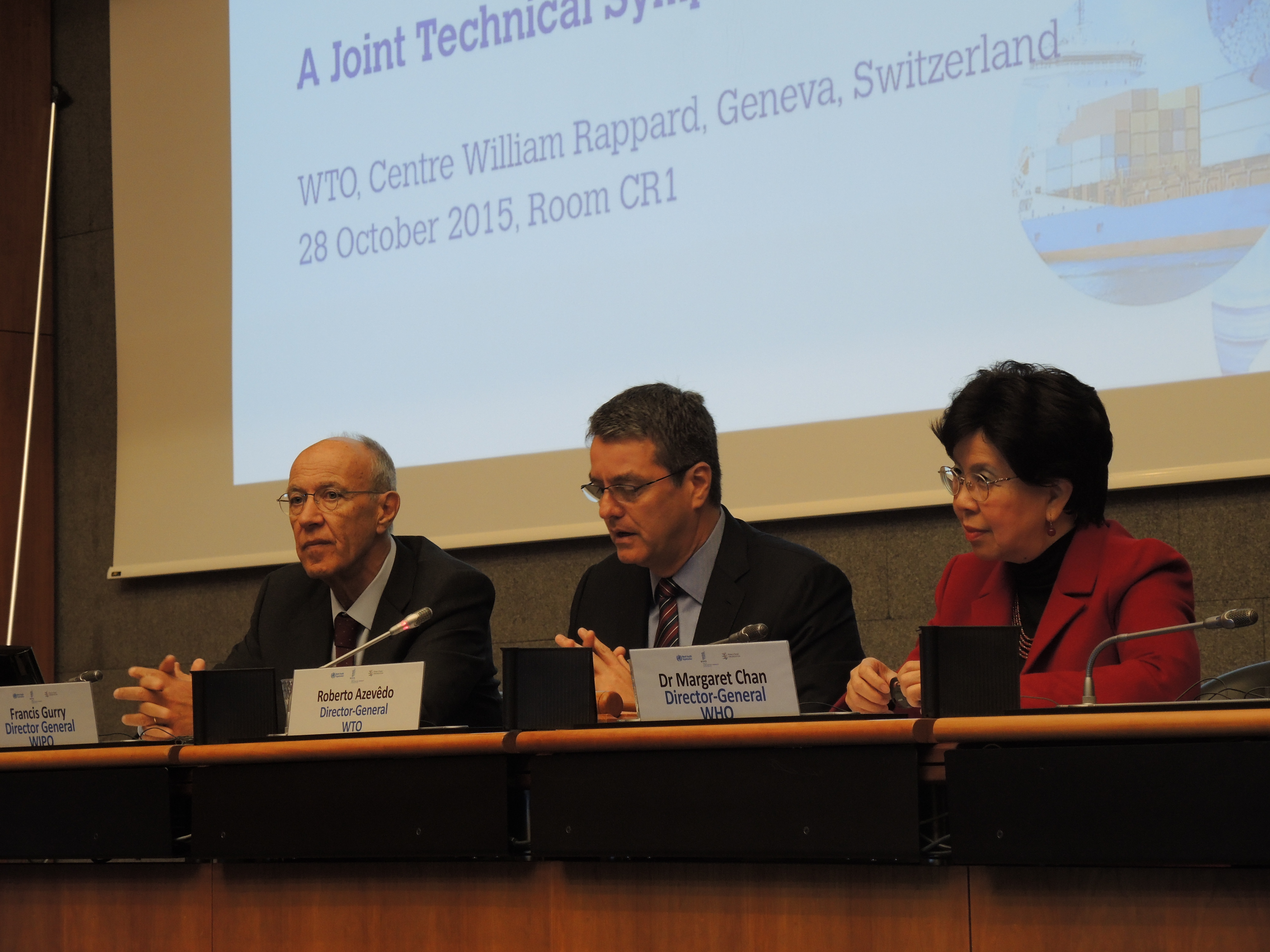
Trade, health, and intellectual property came together today as the heads of three specialised international organisations held an annual symposium to stimulate discussions on how the three can best help public health, and notably access to medicines in developing countries.
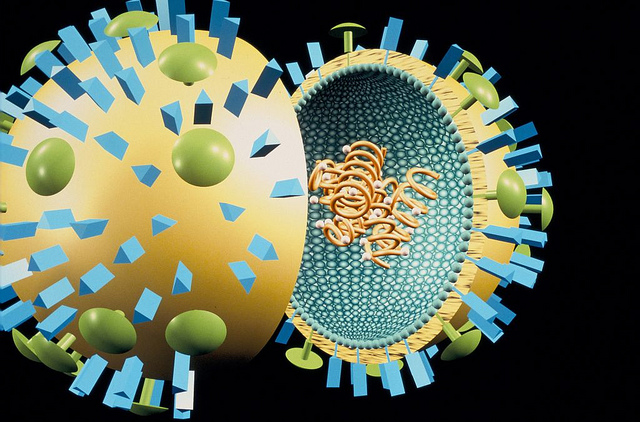
World Health Organization members and stakeholders were invited to provide comments this month on the organisation’s framework to spur preparedness for future influenza pandemics and ensure treatments will reach developing countries. The framework is expected to undergo a review in 2016. The advisory group to the initiative also went through issues such as contributions by manufacturers, and how to deal with genetic sequence data.
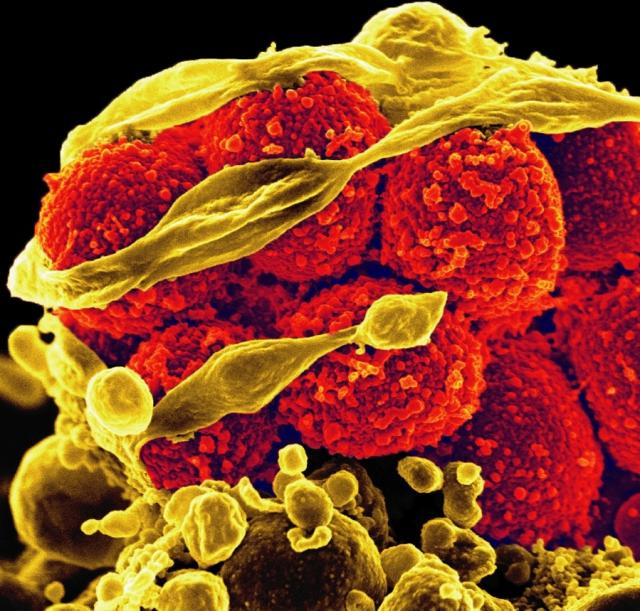
A new report from Chatham House presenting suggestions for novel business models for antibiotics calls for models in which the return on investment in research and development is not dependent on the volume of sales, also known as delinkage.

The 2030 Agenda for Sustainable Development, to be adopted this week at UN Headquarters, could fall short of its health targets unless the governments embark on “U-turn” changes to rectify the dysfunctions in global governance that undermine health, writes Daniele Dionisio.
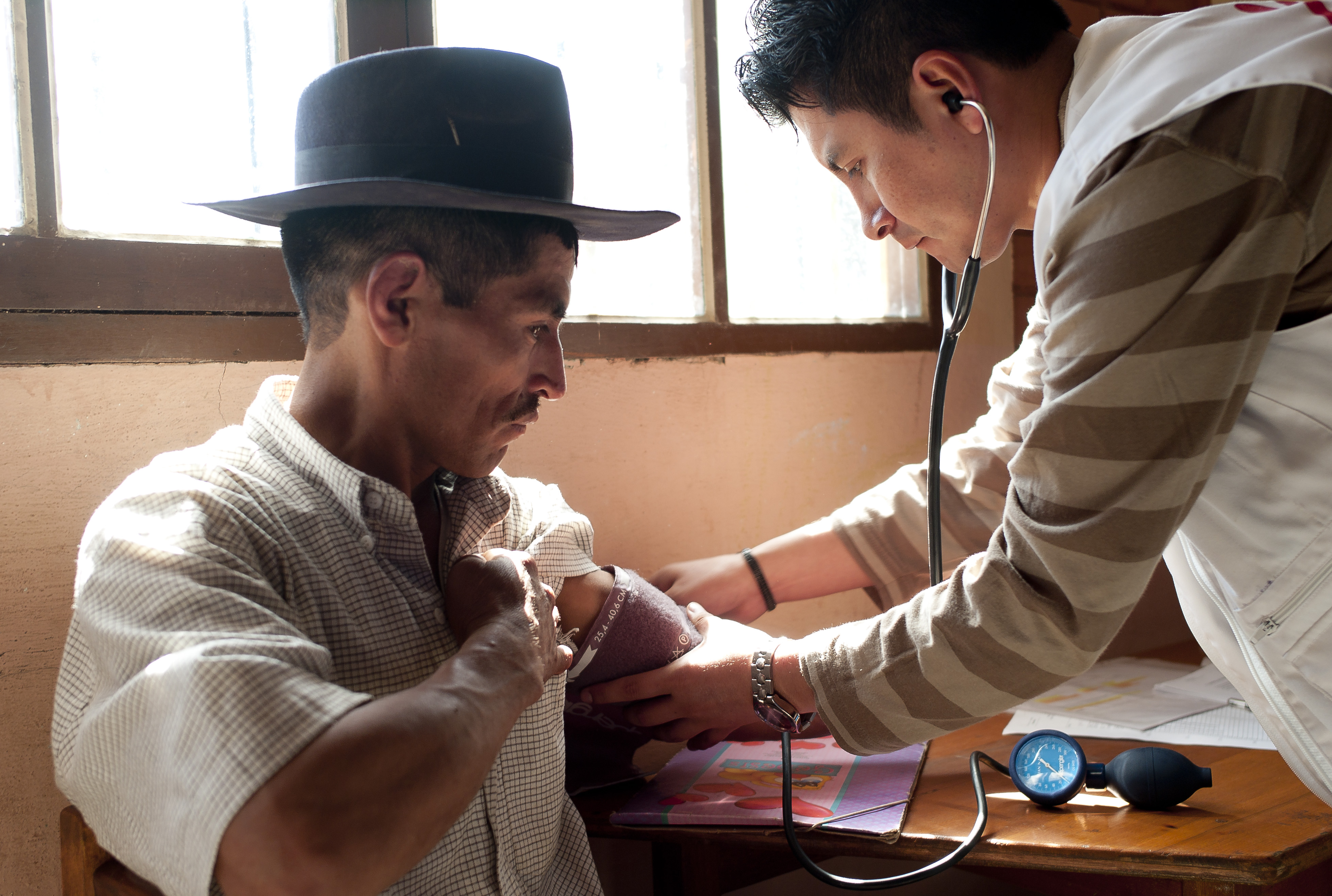
The Drugs for Neglected Diseases initiative (DNDi) is moving into new disease areas and has moved away from one, it announced this week.

The negotiating process to achieve post-2015 development goals has clarified the agenda that governments ought to follow until 2030. Unfortunately, due to vague terms and the lack of unequivocal definitions, a number of relevant issues still lie in uncertainty, writes Pietro Dionisio