Category WHO

WHO Ebola Vaccine Meeting Draws Commitment From Pharma, Donors; MSF Sees Need For Concrete Actions

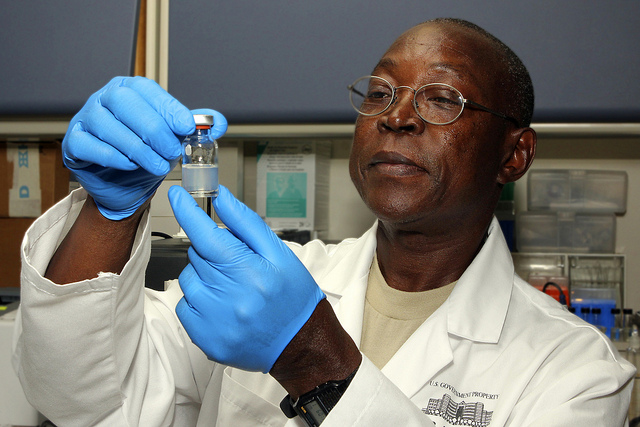
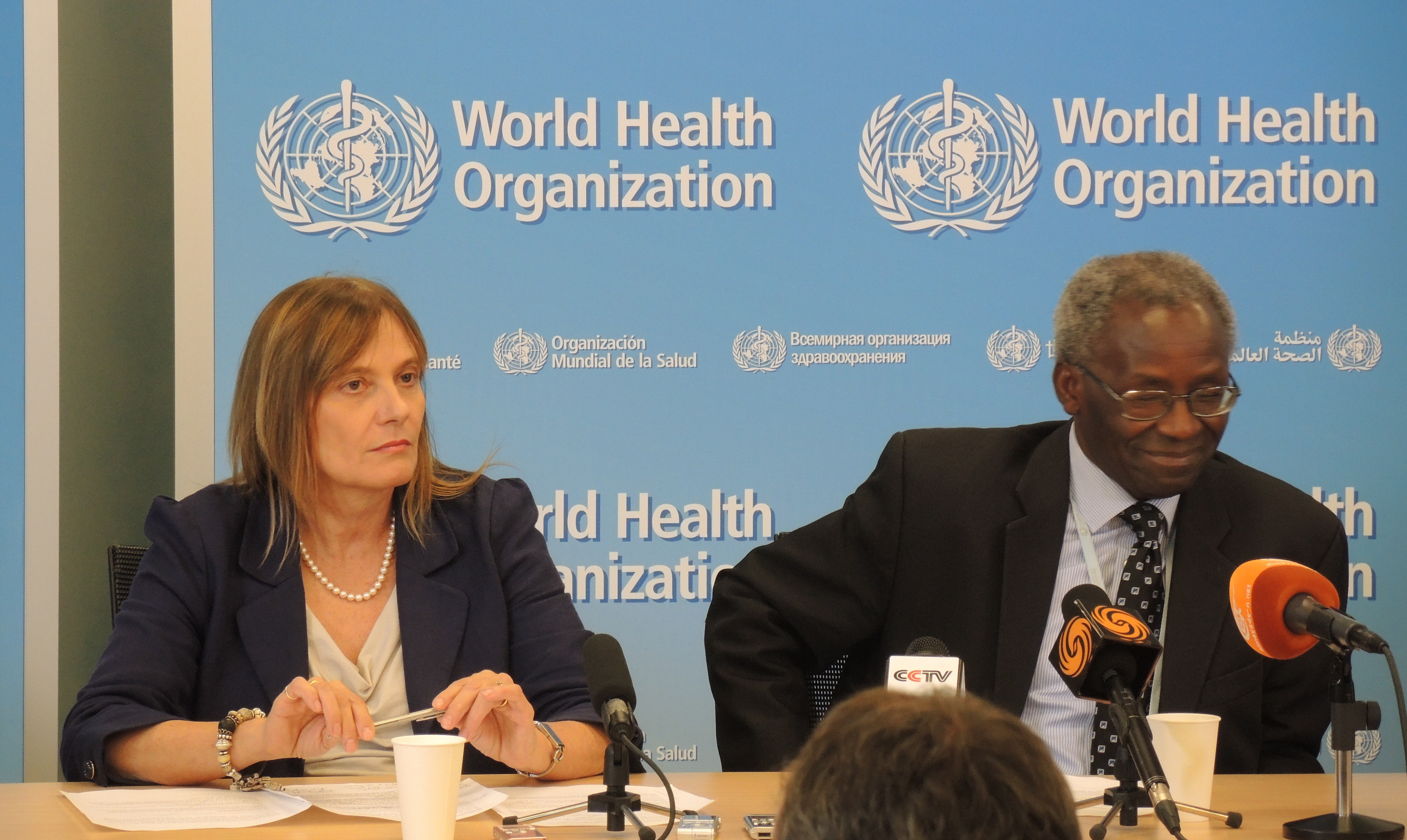
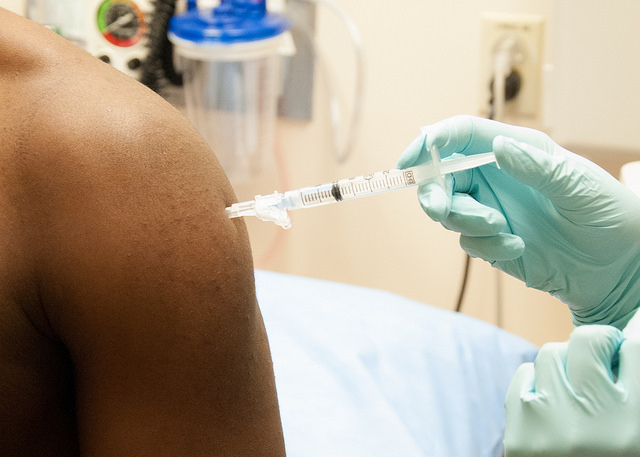
A high-level meeting convened by the World Health Organization yesterday on the issue of access to and financing of Ebola vaccines resulted in a set of commitments, though not with sufficient urgency for those working on the ground. The pharmaceutical industry committed to scale up production, while donors pledged funds without disclosing how deep their pockets might be.
UNCTAD Forum: Local Drug Manufacturing A Key To Universal Health Coverage

Local production of medicines in developing countries is key to advancing universal health coverage, but other factors need to be considered, such as the involvement of all stakeholders and policy coherence in governments, according to speakers attending the World Investment Forum this week. Several speakers called for a paradigm shift in global health.

Health Advocates Demand U-Turn In EU Trade Policy To Align With Its Health Objectives

Health Action International Europe, and Oxfam today issued a briefing paper entitled, “Trading Away Access to Medicines: How the European trade agenda continues to undermine access to medicines.” The paper argues that new concerns such as the ebola virus and the threat of unchecked antimicrobial resistance show the need for a new model for financing pharmaceutical research and development.

Gilead Monopoly Prevails Over Non-Discriminatory Access As Debated Hepatitis C Deal Sets Off

Gilead on 15 September struck voluntary licence deals with seven India-based generic manufacturers to expand access to its hepatitis C innovative drugs in developing countries. With a limited territory covered, this, yet deserving, pact raises doubts about the coherence of Indian counterparts at a time when there are no relevant patents in India, several pre-grant oppositions have been filed and unrestrained competition by compulsory licences could have been pursued, writes Daniele Dionisio.

WHO: Fight Ebola Now, Solve Patent Issues Later

The world and the global health community have been taken by surprise by the worst outbreak of Ebola so far. The World Health Organization today (5 September) said a vaccine could be available in November 2014 if proven safe. So far, according to the WHO, intellectual property issues have not acted as a barrier to accessing potential treatments and vaccines, and the focus for now is on emergency measures to find health solutions.